
How To
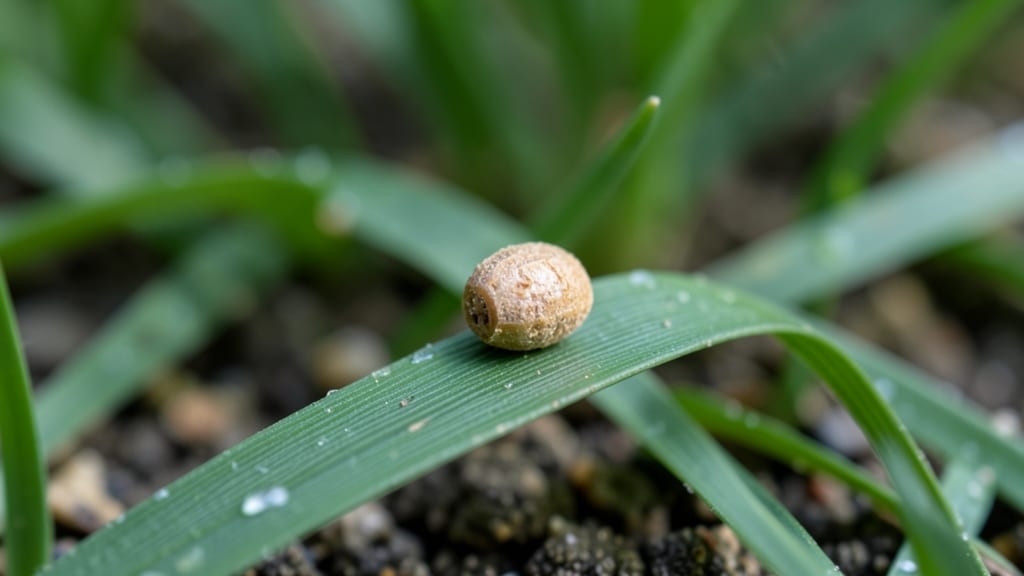
Planting centipede grass seed in Georgia at the wrong time can leave you staring at bare soil for months—because this heat-loving grass needs the right conditions to germinate fast.
The key window is late spring to early summer, when soil temperatures hit 65°F or warmer, but timing it perfectly makes all the difference between a lush lawn and a slow start.
Georgia’s humid summers and 7b-8b climate create ideal growing conditions once you nail the planting schedule. Unlike cool-season grasses, centipede thrives in the heat, but rushing it too early can lead to weak growth or even seed rot.
I’ll show you exactly when to plant for fast germination and how to prep your soil for success.
Most gardeners in Georgia plant between April and May, but there’s more to it than just the calendar. Soil temperature, rainfall patterns, and even your yard’s microclimate play a role. If you’ve ever struggled with patchy grass or slow establishment, this is where you’ll find the game-changer.
Ready to skip the guesswork? I’ll walk you through the best months, soil prep secrets, and post-planting care to ensure your centipede grass takes off in no time. Let’s get that lawn growing strong!
Optimal centipede grass planting windows in Georgia: month-by-month breakdown
Georgia’s humid subtropical climate creates perfect conditions for centipede grass, but timing your planting is everything. The last frost date (around March 15) signals the start of your window, but soil temperature and rainfall patterns determine the best months for fast germination and root establishment.
Let’s break down the ideal planting schedule by month to ensure your lawn thrives.
For northern Georgia (USDA zones 7b-8a), the safest window is late April to early May. This timing aligns with soil warming to 65-70°F, which is critical for centipede seeds to sprout.
In southern Georgia (zones 8b+), you can push planting slightly later—mid-May to early June—thanks to warmer soil earlier in the season.
Here’s the month-by-month comparison to help you decide when to plant:
| Month | Soil Temp (°F) | Rainfall (inches) | Ideal Planting? | Notes |
|---|---|---|---|---|
| April | 55-65°F | 3-4" | ✅ (Northern GA only) | Early April may be too cool; wait until soil reaches 60°F+. |
| May | 65-75°F | 3-5" | ⭐ Best for all GA | Perfect balance of warm soil and moderate rainfall. |
| June | 75-85°F | 4-6" | ✅ (Southern GA) | Hotter but still viable; watering becomes critical. |
| July | 80-90°F | 3-5" | ❌ Not ideal | Extreme heat can stress seeds; save for repairs or overseeding. |
| August | 78-88°F | 4-5" | ⚠️ Risky | Late summer planting may compete with weeds; use only for patchy areas. |
| September | 70-80°F | 2-4" | ❌ Avoid | Cooling soil slows germination; better to wait for spring. |
While May is the gold standard for centipede grass planting in Georgia, don’t dismiss late April entirely—especially in northern regions like Atlanta or Gainesville. The key is monitoring soil temperature with a soil thermometer; seeds won’t germinate reliably below 65°F.
If you’re in southern Georgia (e.g., Savannah or Valdosta), you can extend your window into early June without risking heat stress.
Avoid planting in July or August unless you’re addressing bare patches. The intense heat and competing weeds make it nearly impossible for centipede seeds to establish a strong root system.
Instead, focus on soil prep during these months—aerate, mow low, and remove debris—to create the perfect bed for next year’s planting.
If you’re overseeding an existing centipede lawn, late spring (May) is still ideal, but you can also try early fall (September) in northern Georgia. The cooler temperatures help seeds germinate before winter dormancy sets in.
Just be prepared to water diligently during Georgia’s dry spells, which can occur even in the wettest months.
Pro tip: Use a seed starter fertilizer (like 10-10-10) when planting to give your centipede grass a nutrient boost during its critical early growth phase. This is especially important in sandy soils, which are common in Georgia and drain nutrients quickly.
Remember, centipede grass is slow to establish—it can take 6-8 weeks for seeds to germinate and another 3-4 months to fill in completely. Patience and consistency in watering (deep soaks twice weekly) will pay off with a dense, drought-resistant lawn by next summer.
For those in transitional zones (e.g., Macon or Columbus
How soil temperature and rainfall affect centipede seed germination in Georgia
Centipede grass thrives in Georgia’s heat, but its seeds need precise conditions to germinate. Soil temperature below 65°F slows growth, while consistent rainfall prevents drying out. In northern Georgia, aim for late April to May when soil warms steadily.
Southern regions can start as early as March if temperatures stay above 68°F.
Rainfall plays a crucial role—too little causes seeds to dry out, while too much can wash them away. Georgia’s spring showers (April-May) create ideal moisture levels. If planting in summer (June-July), supplement with drip irrigation to maintain even moisture without overwatering.
Here’s how to check soil readiness: Stick your finger 2 inches deep—if it feels dry, wait for rain. Use a soil thermometer to confirm warmth. In USDA Zones 7b-8b, soil temps should stay between 70°F and 85°F for 7+ days before planting.
| Factor | Northern Georgia | Southern Georgia | Critical Threshold |
|---|---|---|---|
| Soil Temperature | 65°F+ (Late April-May) | 68°F+ (March-April) | Below 60°F = dormancy |
| Rainfall | 1-1.5 inches/week | 1.5-2 inches/week | <1 inch = dry out risk |
| Humidity | 50-70% | 60-80% | Above 85% = fungal risk |
| Best Planting Window | April 20-May 15 | March 15-April 30 | Avoid summer heatwaves |
Adjust your schedule if Georgia’s unpredictable spring weather throws off your plans. For example, if April rains stall, delay planting until soil dries and warms. Conversely, if May arrives early with 90°F+ temps, opt for late afternoon planting to reduce seed stress.
Pro tip: Cover seeds with straw mulch (¼ inch thick) to retain moisture and regulate soil temp. This mimics Georgia’s natural leaf litter and boosts germination rates by 20-30%. Monitor daily—seeds should sprout in 14-21 days under ideal conditions.
Once sprouts appear, reduce watering slightly to prevent fungal diseases like brown patch. Centipede grass’s slow early growth means patience pays off—stick to the soil temp and moisture guidelines, and you’ll see thick, green coverage by late summer.