
Plants
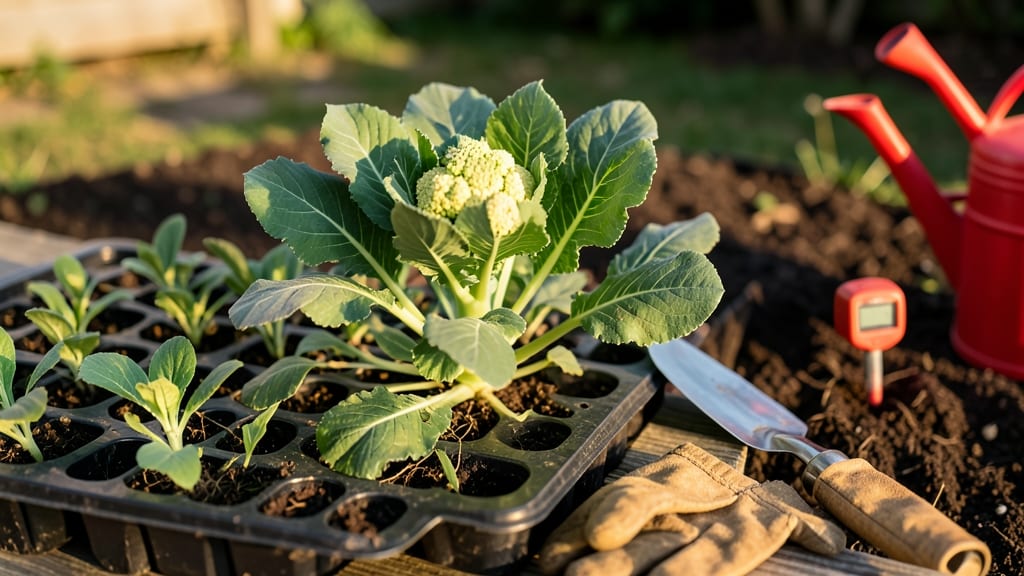
Timing your cauliflower 🥬 planting in Zone 7 is the secret to those perfect, tight heads you’ve been dreaming of—get it wrong, and you’ll end up with bitter, loose curds or no harvest at all.
Most gardeners in Zone 7 know cool weather is key, but the exact planting window makes all the difference. Whether you’re sowing seeds or transplanting seedlings, the 4-6 weeks before last frost rule is your golden ticket to success.
I’ve grown cauliflower in Zone 7 for years, and I’ll show you exactly when to plant for spring and fall harvests—plus how to adjust for your specific sub-zone’s frost dates.
Ready to avoid common mistakes and grow bold, flavorful heads? Let’s dive into the perfect timing and care tips that’ll transform your garden this season.
Optimal cauliflower planting weeks before last frost in Zone 7
Cauliflower loves cool weather, so timing your Zone 7 plantings around frost dates is everything. The key is planting 4-6 weeks before your last spring frost (typically mid-April) or 8-10 weeks before your first fall frost (mid-October).
This gives plants enough time to mature before summer heat or winter cold sets in.
For most of Zone 7, that means starting seeds indoors in early March for spring or late July for fall crops. Direct sowing works too, but only 2-3 weeks before last frost—any earlier and seedlings may bolt from heat.
Soil temperature matters just as much as air temperature. Cauliflower thrives when soil stays between 45°F and 80°F. If your spring warms up too fast, use shade cloth or opt for heat-tolerant varieties like 'Snowball Y Improved' or 'Purple of Sicily'.
Here’s the exact timeline for Zone 7 success, broken down by season:
| Season | Planting Window | Weeks Before Frost | Soil Temp | Key Tip |
|---|---|---|---|---|
| Spring | March 1–April 15 | 4–6 weeks | 45°F–65°F | Use row covers for early starts |
| Fall | August 1–September 15 | 8–10 weeks | 50°F–70°F | Avoid late August heat stress |
| Summer (Risky) | June–July | N/A (Use shade) | Below 75°F | Only for heat-tolerant varieties |
Pro tip: Check your local frost dates—they can vary by 1-2 weeks even within Zone 7. For example, Northern Zone 7a (like Cincinnati) has later frosts than Southern Zone 7b (like Atlanta). Adjust your timeline accordingly.
If you’re unsure about your exact last frost date, use a planting calendar or local extension service. Many gardeners in Zone 7 mark their calendar for April 15 as the safe last frost date, but verify with your microclimate.
For transplanting seedlings, wait until soil is at least 50°F and nighttime temps stay above 40°F. Harden off seedlings for 7–10 days before moving them outdoors to avoid shock. This is especially critical in Zone 7’s unpredictable spring weather.
Remember, bolting (premature flowering) is the biggest enemy in Zone 7’s heat. If your spring planting gets too warm, switch to fall crops or use 30% shade cloth to keep temps down. The goal is 60–75 days to maturity before summer’s peak.
Once you’ve nailed your planting window, focus on rich, well-draining soil with a pH of 6.0–7.0. Cauliflower is a heavy feeder, so amend your beds with compost or aged manure before planting.
This sets the stage for bold, tight heads—not the sad, loose ones you see at the store.
🌱
Optimal cauliflower planting weeks before last frost in Zone 7
In Zone 7, cauliflower thrives when planted at precise times to avoid heat stress or frost damage. The key is understanding your last frost date—typically around April 15 in most of Zone 7.
For spring planting, aim to sow seeds 6-8 weeks before last frost, or around early March for a mid-April harvest.
Fall planting offers a second chance for harvest. Start seeds indoors 8-10 weeks before first frost (early August) or sow directly 10-12 weeks before frost (late July). This ensures heads mature before October 15, when temperatures drop.
| Planting Window | Action | Soil Temp | Harvest Window |
|---|---|---|---|
| Spring (March-April) | Sow seeds 6-8 weeks before last frost | 45-55°F | June-July |
| Fall (July-August) | Sow seeds 8-10 weeks before first frost | 50-60°F | October-November |
Soil temperature is critical—cauliflower seeds need 45-55°F soil to germinate. Use a soil thermometer to confirm readiness. In Zone 7, spring soils often warm too quickly, so prioritize shade cloth or mulch to maintain cool conditions.
For transplanting seedlings, wait until soil reaches 50°F and nighttime temperatures stay above 40°F. Harden off seedlings for 7-10 days before moving them outdoors to prevent shock. This timing ensures strong root establishment before summer heat arrives.
Northern Zone 7 (e.g., Cincinnati, Ohio) has slightly later frost dates, so adjust planting to late March for spring and early August for fall. Southern Zone 7 (e.g., Atlanta, Georgia) can plant as early as February for spring and late July for fall.
Pro tip: Mark your calendar for April 15 and October 15—these dates are your planting anchors. Use them to calculate backward for seed-starting or forward for harvest planning. With precise timing, you’ll avoid bolting (premature flowering) and bitter flavors caused by heat stress.