
Plants
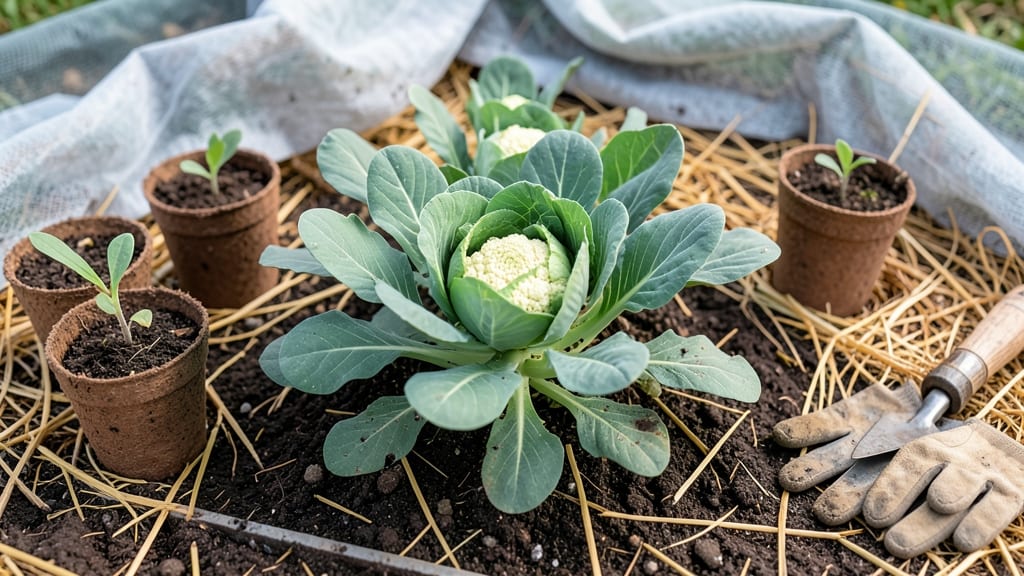
Planting cauliflower in Ohio at the wrong time can turn your garden dreams into a bitter lesson—bolting before harvest or frost stealing your crop. The key to success lies in understanding Ohio's unique climate, where spring and fall windows demand different strategies to avoid common pitfalls.
For Ohio gardeners in USDA Zone 6a, timing isn't just about dates—it's about soil temperatures, frost dates, and even regional microclimates that can shift your ideal planting window by weeks.
Whether you're starting seeds indoors or sowing directly, getting this right means the difference between a lush harvest of 🥬 and wasted effort.
I've tested both spring and fall planting methods across Ohio's diverse growing conditions, and what I'm about to share will help you avoid the most common mistakes.
From extending your season with row covers to choosing the right varieties for your area, these insights will give you the confidence to plant like a pro.
Ready to master Ohio's cauliflower calendar? Let's dive into the exact planting windows, soil prep secrets, and succession strategies that will keep your crop thriving from March through November—no bolting, no frost damage, just perfect heads ready for harvest.
Ohio cauliflower planting calendar: exact spring and fall dates for zero bolting
Ohio's USDA Zone 6a climate creates a narrow window for planting cauliflower—miss it, and you risk either premature bolting from heat or frost damage.
The key is understanding your last frost date (April 15) and first frost date (October 15), while accounting for Ohio's regional variations (northern areas get colder sooner).
For spring planting, aim to transplant seedlings 4-6 weeks before your last frost date, which translates to March 15 to April 30 in most of Ohio. This timing ensures heads form before summer heat triggers bolting.
Southern Ohio can push slightly later, while northern areas should start earlier. Fall planting requires a different strategy: seed 10-12 weeks before your first frost, landing you in August 1 to September 15.
Here's the breakdown of Ohio's planting calendar with regional adjustments:
| Season | Planting Window | Key Dates (Ohio Avg) | Soil Temp Requirement | Harvest Window |
|---|---|---|---|---|
| Spring | Transplant seedlings | March 15 - April 30 | 45-55°F (7-13°C) | June - July |
| Spring (Northern OH) | Transplant seedlings | March 1 - April 15 | 45-55°F (7-13°C) | Late May - June |
| Fall | Direct sow or transplant | August 1 - September 15 | 50-60°F (10-16°C) | October - November |
| Fall (Southern OH) | Direct sow or transplant | August 15 - September 30 | 50-60°F (10-16°C) | Late October - December |
For spring planting, start seeds indoors 6-8 weeks before transplanting (around February 15) to give seedlings a head start. Use grow lights if natural light is limited—cauliflower needs 12-14 hours of light daily to prevent leggy growth.
Harden off seedlings for 7-10 days before transplanting to well-draining soil with a pH of 6.0-7.0.
Northern Ohio gardeners should prioritize early-maturing varieties like 'Snowball Y Improved' (58 days) or 'Purple of Sicily' (85 days) to avoid bolting. Southern Ohio can handle slightly longer varieties like 'Romanesco' (90 days) for a later harvest.
Always choose Ohio-adapted varieties—they're bred to handle our humidity and temperature swings.
Fall planting requires earlier varieties to mature before frost. 'Early Snowball' (60 days) is a top choice, while 'Graffiti' (65 days) offers colorful heads. Direct-sow seeds 1/4 inch deep and keep soil consistently moist until germination (7-14 days).
Use row covers if nights dip below 40°F (4°C) to protect young plants.
Pro tip: Test your soil
Spring vs fall cauliflower planting: which Ohio season wins for your harvest?
Choosing between spring and fall cauliflower planting in Ohio depends on your harvest goals and risk tolerance. Both seasons offer advantages, but understanding their unique challenges will help you decide which strategy works best for your garden.
Spring planting rewards you with early summer harvests, while fall planting extends your season into crisp autumn months.
For spring planting, Ohio gardeners typically start seeds indoors 4-6 weeks before the last frost date (around March 15). This gives you a head start before transplanting seedlings outdoors by mid-April.
The key advantage? You avoid the heat stress of summer, but you must contend with early-season pests like cabbage worms and flea beetles.
Fall planting, on the other hand, requires starting seeds indoors 10-12 weeks before the first frost (around August 1). This ensures your cauliflower matures before October’s chilly temperatures set in.
Fall crops benefit from cooler weather, which reduces pest pressure and bolting risks, but you’ll need to protect young plants from unexpected early frosts.
Spring Planting
- Early summer harvests
- Lower risk of bolting
- Warmer soil for faster growth
- Higher pest pressure
- Requires consistent watering
- Bolting risk if planted too early
Fall Planting
- Cooler weather reduces pests
- Extended harvest into fall
- Lower bolting risk
- Shorter growing season
- Frost sensitivity in late season
- Requires careful timing
If your goal is fresh cauliflower early in the season, spring planting is your best bet. For a longer harvest window and lower pest pressure, fall planting shines. Many Ohio gardeners opt for both seasons to enjoy a continuous supply of this versatile vegetable.
For northern Ohio, where frost arrives earlier, focus on fall planting with cold-hardy varieties like ‘Snowball Y Improved’. In southern Ohio, you can push spring planting slightly later (up to May 1) and still enjoy summer harvests.
Always monitor soil temperatures—cauliflower thrives in 55-75°F soil, so avoid planting when it’s too cold or too hot.
Pro tip: Use row covers in early spring or late fall to extend your planting windows by 2-3 weeks without risking bolting or frost damage. This simple trick can give you extra time to get seeds in the ground or protect young plants from unexpected weather shifts.