
Plants
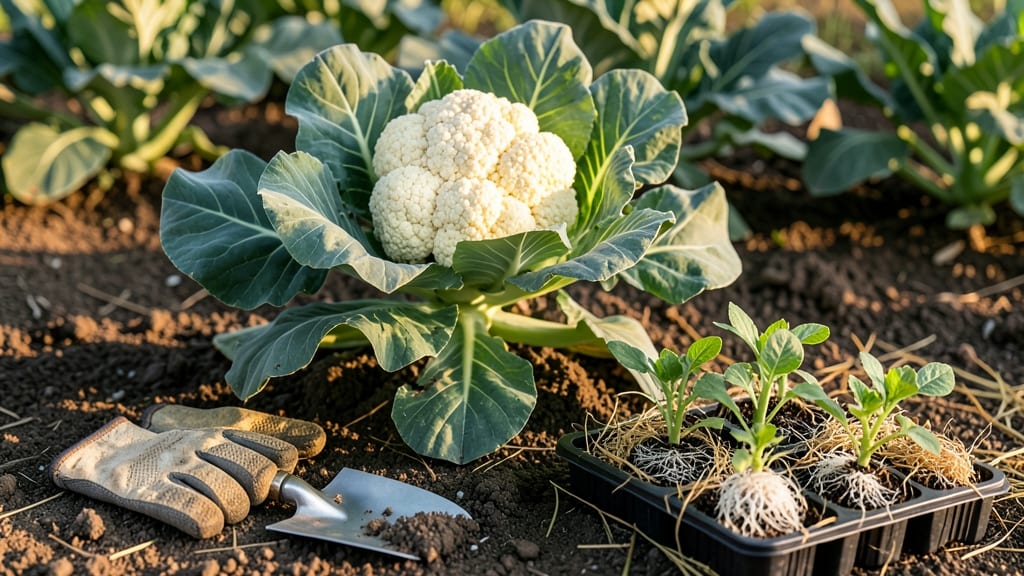
Planting cauliflower in North Carolina at the wrong time can mean watching your hard work melt away before harvest—literally. The key to lush, frost-free heads lies in understanding two perfect windows that align with NC’s climate zones and unpredictable frost dates.
Whether you're in the Piedmont’s rolling hills or the Coastal Plain’s humid lowlands, timing matters more than you might think. Spring plantings need to beat the last frost, while fall crops must avoid early chills that turn your curds to mush.
I’ll show you exactly when to put those seedlings in the ground for zero-frost success—no guesswork, just proven results.
You’ll discover why late July or early August might be your best bet for fall harvests, and how to adjust for your specific zone (7a-8b). Plus, we’ll tackle common mistakes like planting too close to summer’s heat or ignoring soil prep that makes all the difference.
Ready to grow cauliflower that’s firm, flavorful, and frost-free? Let’s dive into the exact planting schedule that’ll have your garden thriving from spring to fall.
NC frost dates and ideal cauliflower planting windows by season
North Carolina’s diverse climate zones—from the Coastal Plain to the Mountains—create wildly different frost dates, making timing everything for cauliflower success.
The last spring frost typically arrives between March 15 (Coastal) and April 15 (Mountains), while the first fall frost hits from November 1 (Mountains) to November 30 (Coastal). These variations mean your planting window must shift based on elevation and latitude.
For spring planting, aim to sow seeds or transplant seedlings 4-6 weeks before your last frost date.
In the Piedmont region, that’s usually mid-February to early March, while mountain gardeners should wait until late March. Fall planting requires more precision: start seeds 10-12 weeks before your first frost, which translates to late July for Coastal NC and early August for the Mountains.
Cauliflower thrives in cool soil temperatures (50-75°F), so timing isn’t just about frost—it’s also about avoiding heat stress. Plant too early in warm soil, and seedlings will bolt.
Wait too long, and your heads won’t mature before frost. The key? Monitor soil thermometers and adjust your schedule based on weekly temperature trends rather than just calendar dates.
Here’s the golden rule: Your cauliflower should reach harvest-ready maturity (75-100 days) before temperatures dip below 32°F. In USDA Zones 7a-8b, this means two planting windows per year—spring and fall—with zero room for error in the middle.
| NC Region | Last Frost Date | First Frost Date | Spring Planting Window | Fall Planting Window |
|---|---|---|---|---|
| Coastal Plain | Mid-March | Late November | Feb 15 - Mar 15 | Jul 20 - Aug 15 |
| Piedmont | Early April | Mid-November | Mar 1 - Apr 1 | Jul 10 - Aug 10 |
| Mountains | Late April | Early November | Mar 15 - Apr 15 | Jul 1 - Jul 31 |
🌱 Note: Adjust for microclimates (e.g., frost pockets in valleys).
If you’re direct sowing seeds, start them indoors 4-6 weeks before transplanting to give them a head start. Use biodegradable pots to avoid root disturbance when moving seedlings outdoors.
For transplants, harden them off for 7-10 days before setting them in the garden—this is non-negotiable in NC’s humid summers, where sudden heat spikes can shock tender seedlings.
Pro tip: Use row covers in early spring or late fall to extend your growing season by 2-3 weeks. These lightweight fabrics shield plants from light frosts (28-32°F) and pest pressure while still allowing sunlight and water through.
Just remove them during the day once temperatures rise above 70°F to prevent overheating.
For fall harvests, prioritize early-maturing varieties (60-75 days) like ‘Snowball Y Improved’ or ‘Purple of Sicily’ to beat the frost. In Zone 7a (western NC), you might squeeze in two fall plantings: one in early July and another in mid-August.
Monitor your garden’s microclimate—a south-facing bed stays warmer longer than a north-facing one, giving you extra days to harvest.
Remember: Cauliflower hates heat. If your July temperatures exceed 85°F, your plants will bolt (send up flower stalks) instead of forming heads. Use shade cloth (30-50%) during peak afternoon sun to keep soil temps below 80°F and maintain humidity for optimal growth.
Finally, test your soil pH (6.5-6.8 is ideal) before planting—cauliflower is finicky about nutrients. Amend with compost and a balanced fertilizer (5-10-10) to ensure your plants have the energy to form those tight, market-ready heads.
With the right timing, your NC garden can deliver two bountiful harvests per year, frost-free!
Spring vs fall cauliflower: which gives better yields in NC?
Deciding between spring and fall planting for cauliflower in North Carolina depends on your goals—whether you prioritize early harvests, higher yields, or flavor intensity. Both seasons offer unique advantages, but understanding their trade-offs will help you choose the best strategy for your garden.
Let’s break down the pros and cons of each planting window tailored to NC’s climate.
Spring-planted cauliflower thrives in cooler temperatures (50–75°F) and matures just in time for late spring harvests (April–May). This season gives you a head start on the growing year, but it also comes with higher pest pressure from cabbage worms and flea beetles.
On the bright side, spring cauliflower often produces larger, more uniform heads due to consistent moisture and fewer heat stress issues.
Fall-planted cauliflower, on the other hand, benefits from milder autumn weather and avoids the scorching summer heat that can stress plants. You’ll harvest in September–October, just as temperatures drop, which reduces pest problems.
However, fall crops may face shorter daylight hours, which can slow growth. The flavor is often sweeter and more concentrated, making it a favorite for many gardeners.
Here’s a quick comparison to help you decide which season aligns best with your gardening goals:
Spring Planting (Feb–Mar)
- Larger, more uniform heads
- Longer daylight hours for faster growth
- Earlier harvest (April–May)
- Higher pest pressure (cabbage worms, flea beetles)
- Risk of bolting if temperatures spike early
- Requires more frequent watering
Fall Planting (Jul–Aug)
- Sweeter, more flavorful heads
- Lower pest pressure in cooler weather
- Avoids summer heat stress
- Shorter daylight hours slow growth
- Risk of frost before harvest if planted too late
- Smaller heads compared to spring
For maximum yields, many NC gardeners opt for both spring and fall plantings, staggering their harvests throughout the growing season. If you’re short on space, focus on fall planting for flavor and spring planting for quantity.
Just remember: soil prep is key in both seasons—cauliflower craves rich, well-draining soil with a pH of 6.5–7.0 to thrive.
Pro tip: If you’re planting in late summer for fall harvests, choose fast-maturing varieties like ‘Snowball Y’ or ‘Purple of Sicily’ to ensure they reach maturity before the first frost.
And don’t forget to mulch heavily to retain moisture and regulate soil temperature—this is especially critical in NC’s humid summers.
🌱