
Plants
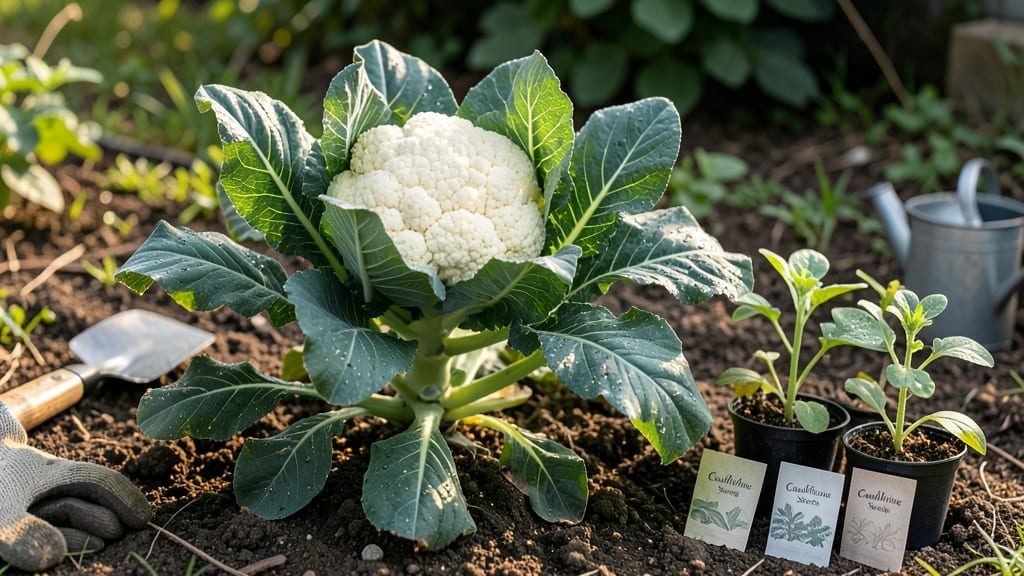
Planting cauliflower 🥬 in Missouri isn't just about throwing seeds in the dirt—it's about mastering frost-date math to beat the state's unpredictable swings from late freezes to early heat. If you've ever watched your plants bolt before forming a proper head, you know timing is everything.
Missouri's USDA zones 5b-6b mean your last frost usually arrives around mid-April, but that date can shift by weeks. The key is planting 4-6 weeks before that average last frost for spring crops, or 10-12 weeks before the first frost in fall.
That puts us looking at mid-March to early April for spring, and late July to early August for fall.
Here's where most gardeners stumble: assuming "early spring" means February. In Missouri's climate, that's a recipe for frost damage. We'll show you exactly when to start seeds indoors versus transplanting young plants, plus how to adjust for those years when winter lingers or summer arrives early.
Ready for a harvest of crisp, flavorful heads? Let's break down the precise planting windows, variety recommendations, and soil prep tricks that actually work in Missouri's humid summers and variable winters.
Missouri cauliflower planting dates by frost Zone (with exact timing)
Missouri’s USDA zones 5b-7a create a unique challenge for cauliflower growers—late spring frosts can delay planting while summer heat forces fall crops to mature quickly. The key is calculating frost dates and adjusting your schedule accordingly.
Most Missouri gardeners target mid-March to early April for spring plantings and late July to early August for fall harvests.
Cauliflower thrives in cool temperatures (50-75°F), so timing is everything. Plant too early, and frost will damage seedlings; too late, and summer heat causes bolting (premature flowering).
Missouri’s average last frost date is around April 15, but northern regions (like St. Louis) can see frost until May 1. Use these dates as your starting point, then adjust based on your local microclimate.
🌱 CAULIFLOWER PLANTING GUIDE FOR MISSOURI
| Planting Window | USDA Zones | Action | Notes |
|---|---|---|---|
| Mid-March to Early April | 5b-6a | Start indoors or transplant hardened seedlings | Use row covers if frost threatens |
| Late March to Mid-April | 6b-7a | Direct sow or transplant | Soil should be 40°F+ for germination |
| Late July to Early August | All zones | Sow for fall harvest | Choose heat-tolerant varieties |
| Early August to Mid-August | 5b-6a | Transplant seedlings | Aim for harvest before first frost (Oct 15) |
For direct sowing, Missouri gardeners should wait until soil temperatures reach 40°F+—typically late March to early April in most regions. However, starting seeds indoors 4-6 weeks before the last frost date gives seedlings a head start.
If you’re transplanting, opt for 4-6 week old seedlings to ensure they’re sturdy enough for Missouri’s variable spring weather.
Fall plantings require even more precision. Since cauliflower needs 70-80 days to mature, your last planting window should be 10-12 weeks before the first frost (around October 15).
In Missouri, this means late July to early August sowings. Use shade cloth during peak summer heat to protect seedlings from bolting.
Missouri’s humidity levels (especially in summer) can stress cauliflower plants. To combat this, space plants 18-24 inches apart for airflow and mulch heavily to retain moisture.
In northern Missouri (zones 5b-6a), extend your season with black plastic mulch, which warms the soil faster in spring and insulates in fall.
Pro tip: Use a planting calendar tailored to your Missouri county. For example, Kansas City (Zone 6a) has a later last frost date (April 22) than St. Louis (Zone 6b) (April 15). Adjust your schedule by 1-2 weeks based on your location.
Always monitor local weather forecasts in the weeks leading up to planting. A late frost warning might delay your spring planting by 2-3 weeks, while an early heatwave could push fall plantings up by a week. Flexibility is key in Missouri’s unpredictable climate.
🌿 For a foolproof harvest, pair your planting dates with cold-hardy varieties like 'Snowball Y Improved' or 'Purple of Sicily'—both thrive in Missouri’s cool springs and falls.
How to adjust planting for Missouri’s unpredictable weather patterns
Missouri’s weather can swing from late frosts to early heatwaves, making cauliflower planting a delicate balance. Unlike more predictable climates, Missouri gardeners must account for unexpected frost dates and sudden heat spikes—both of which can ruin a crop if you’re not prepared.
The key is flexibility: adjusting planting times, using protective tools, and choosing varieties that tolerate Missouri’s quirks.
One of my favorite tricks is staggering plantings every 2-3 weeks. This ensures that even if one batch gets hit by a late frost or early heat, another will still thrive.
For example, if your last frost date shifts from mid-April to early May (which happens often), your first planting might fail, but a second or third batch could still succeed. Think of it as a safety net for your garden.
Missouri’s average last frost date is April 15, but it can arrive as late as May 10. If you plant too early, seedlings may freeze and die. Use frost cloths or row covers to protect young plants until temperatures stabilize.🌡️ Late Frost Warning
Heat is another challenge. Cauliflower hates temperatures above 80°F, which can cause heads to bolt (flower prematurely) or become spongy and bitter. In Missouri’s humid summers, this often happens by late July.
To combat this, I recommend planting heat-tolerant varieties like ‘Purple of Sicily’ and using shade cloth during peak afternoon heat. Even a 30% shade cover can make a difference in keeping heads tight and flavorful.
For fall plantings, aim to sow seeds 10-12 weeks before your first frost (around late July to early August in Missouri). This gives plants enough time to mature before cold sets in.
If you’re in USDA Zone 5b, where frosts can arrive earlier, consider starting seeds indoors in early July for a head start. Just remember: overcrowding is a common mistake—cauliflower needs space to breathe, especially in Missouri’s dense, humid air.
Soil temperature is often overlooked but critical. Cauliflower seeds won’t germinate well in cold soil (below 45°F). Use a soil thermometer to check—if it’s too chilly, wait a few days or use black plastic mulch to warm the soil faster. In my experience, mid-March plantings often struggle in northern Missouri, while late March to early April works better once the ground warms.
Finally, don’t underestimate the power of season extenders. Low tunnels, cold frames, and even simple straw mulch can add weeks to your growing season.
For example, a row cover can protect plants from a light frost down to 28°F, giving you an extra month of growth in spring or fall. It’s a small investment with big payoffs, especially in Missouri’s variable climate.
By combining staggered plantings, protective tools, and heat-tolerant varieties, you’ll turn Missouri’s weather unpredictability into an advantage. Your garden will thank you with crisp, flavorful heads instead of bolted greens. 🌱