
Plants
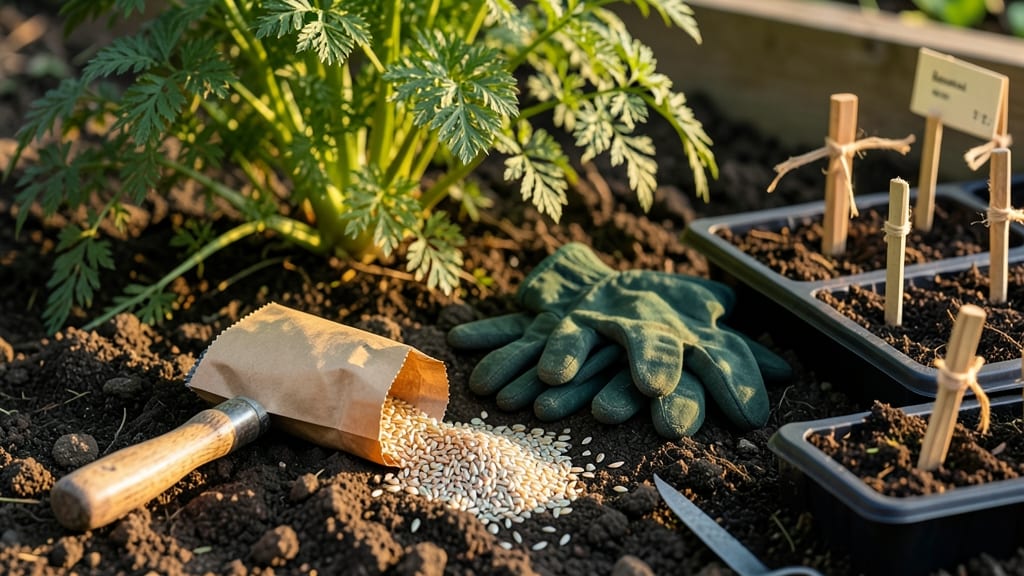
Planting your 🥕 carrot seeds in Michigan at the wrong time can mean the difference between a crisp, sweet harvest and a bitter disappointment. With Michigan's short growing season and unpredictable frost dates, timing is everything—and getting it right ensures you avoid bolted greens or frozen roots before they mature.
Most gardeners in zones 5b-6b swear by two key planting windows: April to May for spring carrots and August to early September for a fall harvest. But here’s the catch: late frosts can delay your first planting, while early autumn chills might cut your second batch short.
I’ll break down the exact frost-free deadlines you need to meet—plus how to stretch your season with succession planting and cold-hardy varieties.
Whether you’re growing fast-maturing Paris Market varieties or classic Danvers, knowing when to plant isn’t just about dates—it’s about soil temperature, variety selection, and avoiding common pitfalls like woody texture or forking.
Let’s get you the precise timeline so you can enjoy homegrown carrots from June through October without the guesswork.
Ready to turn your garden into a carrot patch that rivals the farmers’ market? I’ll walk you through everything—from prepping your soil to adjusting for Michigan’s quirks—so you can dig into success (literally) all season long.
Michigan’s carrot planting timeline: frost dates by region
Michigan’s diverse climate means last frost dates can vary by 10-14 days between the Upper Peninsula and Southern Lower Peninsula. For carrot seeds, timing is critical—plant too early, and frost will kill seedlings; too late, and you risk bolting or stunted growth.
Let’s break down the frost-free windows by region to help you plan your spring and fall plantings with precision.
In the Upper Peninsula (USDA Zone 5b), the average last frost date is around May 15, while the Southern Lower Peninsula (Zone 6a) typically sees its last frost by April 25. These dates dictate when to start sowing carrot seeds for a successful harvest.
For example, in Zone 5b, you’ll want to begin planting 4-6 weeks before the last frost, while Zone 6a gardeners can start slightly earlier.
Here’s the key: Carrots thrive in cool soil (ideal temperature: 50-70°Fforked roots or woody texture. In colder regions, this might mean waiting until late April or early May.
For a second planting in late summer, aim to sow seeds 8-10 weeks before the first frost (typically mid-August to early September). This ensures carrots mature before winter sets in. However, be cautious—late-season carrots need consistent moisture and protection from pests like carrot rust flies.
To avoid bolting (when carrots flower prematurely), choose shorter-day varieties like ‘Danvers’ or ‘Nantes’ for spring plantings. For fall, opt for fast-maturing types such as ‘Paris Market’ or ‘Little Finger’ to ensure they reach harvest size before frost.
Always monitor your local Almanac frost predictions—they can shift yearly due to climate variations.
Pro tip: Use a soil thermometer to confirm soil temps are above 50°F before planting. Cold soil slows germination and can lead to uneven sprouting. If temps are still chilly, consider a lightweight row cover to warm the soil and protect young seedlings.
For gardeners in Zone 5b, don’t be tempted to plant too early in hopes of an earlier harvest. Carrot seeds need consistent warmth to germinate properly. Instead, focus on succession planting every 2 weeks from April through June to stagger your harvest and reduce pest pressure.
In Southern Michigan, where the growing season is slightly longer, you can experiment with early March plantings under row covers or in a cold frame. However, be prepared to remove covers during the day to prevent overheating and bolt-inducing stress on the plants.
Remember: Carrots are cool-season crops, so they’ll tolerate light frosts once established. But seedlings are highly sensitive to cold. If an unexpected frost threatens after germination, cover seedlings with old towels or cardboard until temps rise.
With the right timing, you’ll enjoy crisp, sweet carrots from June through October!
Best carrot varieties for Michigan’s short season and their planting times
Michigan’s short growing season demands smart choices when selecting carrot varieties. Fast-maturing types like ‘Paris Market’ (50 days) are perfect for early planting, while slower varieties like ‘Danvers Half Long’ (75 days) need later starts to avoid frost.
Let’s break down the best options and their ideal planting windows to maximize your harvest.
For early spring plantings, prioritize fast-maturing varieties that can reach harvest before summer heat sets in. These include ‘Little Finger’ (55 days) and ‘Nantes’ (60 days), both of which thrive when sown 2–3 weeks before your last frost date.
In Michigan, that typically means late March to early April in southern regions and mid-April to early May in northern areas.
| Variety | Days to Maturity | Ideal Planting Window | Soil Temp Requirement | Best For |
|---|---|---|---|---|
| Paris Market | 50-55 | Late March–Early April (early) or August (fall) | 50–60°F | Quick harvests, containers |
| Little Finger | 55-60 | Mid-April–Early May | 55–65°F | Small gardens, succession planting |
| Danvers Half Long | 70-75 | Early May–Late May | 60–70°F | Storage, long roots |
| Nantes | 60-65 | Late April–Early June | 55–65°F | Sweet flavor, summer harvests |
| Chantenay Red Core | 65-70 | Early May–Mid-June | 60–70°F | Cold tolerance, storage |
Soil temperature is critical for carrot germination. Seeds won’t sprout well in cold soil—aim for at least 50°F before planting. In Michigan, this usually aligns with late April to early May for most regions.
Use a soil thermometer to check; if it’s cooler, wait or use row covers to warm the soil faster.
For fall harvests, plant mid-summer varieties like ‘Golden Ball’ (60 days) or ‘Rainbow’ (65 days) in late July to early August. These give you a second crop before winter sets in. Just be sure to harvest before first frost, which in Michigan typically hits mid-October.
Pro tip: Succession planting every 2 weeks from April to June ensures a steady supply. Start with fast varieties, then transition to slower ones as temperatures rise. This way, you’ll always have fresh carrots ready to pull from the garden! 🥕