
Plants
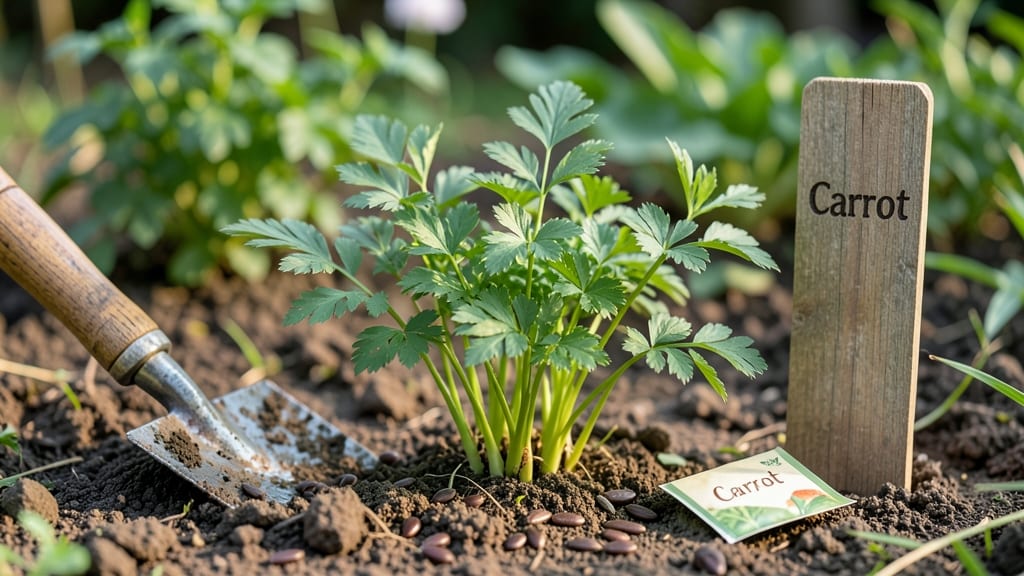
Planting carrots in Zone 6 at the wrong time can mean the difference between a bumper crop of sweet, crisp 🥕 and a sad, bolted mess.
The key is knowing exactly when to get those seeds in the ground—typically 4-6 weeks before your last frost date, but with some smart adjustments for your specific subzone.
If you're in Zone 6a, aim for early spring planting around March 15-30, while 6b gardeners can push it slightly later into early April. But here's the catch: soil temperature matters just as much as calendar dates.
Carrots need that ground to warm up to at least 50°F before they'll germinate properly.
Don't stop there—late summer planting (July-August) gives you a second chance for fall harvests. The trick is working with your 165-day frost-free window and using succession planting to keep fresh carrots coming all season. I'll show you exactly how to time it right for maximum success.
Whether you're a beginner or seasoned gardener, these precise planting windows will help you avoid common mistakes like forking or bolting. Let's get those seeds in the ground at the perfect moment for Zone 6's unpredictable climate.
Zone 6 carrot planting calendar: exact weeks before last frost for success
Timing your carrot planting in Zone 6 means balancing frost dates with soil temperatures—aim for 4-6 weeks before your last frost (typically mid-March to early April) for spring crops.
Carrots thrive in 50-85°F soil, so wait until the ground warms to at least 50°F to prevent slow germination or rot.
For fall harvests, plant 8-10 weeks before first frost (usually late July to early August). This gives carrots enough time to mature before winter sets in. Succession planting every 2-3 weeks ensures a steady supply, but avoid planting too late—carrots need 70-90 days to reach harvest size.
Here’s your Zone 6 carrot planting timeline, including key milestones to maximize your harvest:
| Season | Planting Window | Soil Temp | Days to Harvest | Key Tip |
|---|---|---|---|---|
| Spring | Mid-March to early April | 50-60°F | 70-90 days | Use row covers if frost threatens |
| Late Summer | Late July to early August | 60-70°F | 60-75 days | Choose shorter-day varieties like 'Paris Market' |
| Succession | Every 2-3 weeks | 50-75°F | 50-80 days | Thin seedlings to 2-3 inches apart |
I’ve learned the hard way that soil temperature is just as critical as frost dates. Use a soil thermometer to confirm readiness—carrots won’t germinate well below 50°F.
In my Zone 6b garden, I’ve had the best success planting Nantes and Danvers varieties in early April, followed by Paris Market in late July for a fall crop.
Pro tip: If your last frost date is later than April 15 (common in Zone 6a), adjust your timeline by 1-2 weeks. Always check your local frost dates—they can vary by 10-14 days even within the same zone. Almanac.com is my go-to resource for precise data.
For container gardening, start seeds indoors 4-6 weeks before transplanting to extend your season. Use biodegradable pots to avoid root disturbance when moving seedlings outdoors. I’ve grown baby carrots in 12-inch-deep containers with great success, harvesting in just 50 days.
Remember: Carrots hate competition. Plant them in well-prepared, loose soil with no rocks or clumps—this prevents forked roots. Work in compost before planting to improve drainage and fertility. Mulch with straw after germination to retain moisture and suppress weeds.
If you’re new to carrots, start with short-season varieties like 'Early Nantes' (60 days) or 'Little Finger' (55 days). These are forgiving for beginners and adapt well to Zone 6’s shorter growing season. Save longer varieties like 'Chantenay' (80 days) for experienced gardeners with longer seasons.
Finally, don’t overlook fall planting—it’s my favorite way to enjoy fresh carrots through October and November. Just be sure to harvest before hard frost or use row covers to protect tender tops. With the right timing, you can enjoy homegrown carrots from June through November in Zone 6!
How to extend your carrot harvest in Zone 6: succession planting strategies
Zone 6 gardeners know that the growing season is short, but with succession planting, you can enjoy fresh carrots from early summer through fall. The trick is spacing your plantings every 2-3 weeks to ensure a continuous supply.
Unlike many crops, carrots don't transplant well, so direct sowing is essential for success.
Start your first batch 4-6 weeks before your last frost date (around early March in most of Zone 6). This gives them time to establish roots before the soil warms.
For a fall harvest, your final planting should happen 8-10 weeks before the first frost—typically mid-July. This timing ensures mature roots before cold weather sets in.
Here’s how to maximize your harvest with staggered plantings:
| Planting Window | Variety Recommendation | Days to Maturity | Harvest Window |
|---|---|---|---|
| Early March | Nantes or Chantenay | 60-70 days | Late May - Early June |
| Mid-April | Danvers Half Long | 70-75 days | Late June - Early July |
| Early May | Paris Market (short) | 50-60 days | Mid-June - Late July |
| Mid-July | Rainbow (colorful) | 65-70 days | Late September - October |
For fall harvests, focus on varieties like Rainbow or Solar Yellow, which handle cooler temperatures better. Plant them in well-drained soil and use row covers if nights dip below 40°F to protect tender seedlings. Mulch with straw to maintain even soil temperatures and prevent bolting.
Pro tip: Thin seedlings to 2-3 inches apart when they’re 2 inches tall. This prevents overcrowding, which leads to forked or stunted carrots. Use a hand trowel to avoid disturbing roots during thinning. Harvest in the morning when soil is moist for the crispest texture.
With this strategy, you’ll enjoy homegrown carrots for 4-5 months instead of just a few weeks. Just remember: consistency is key—stick to your 2-3 week intervals, and your garden will reward you with a steady supply of sweet, homegrown roots!