
Plants
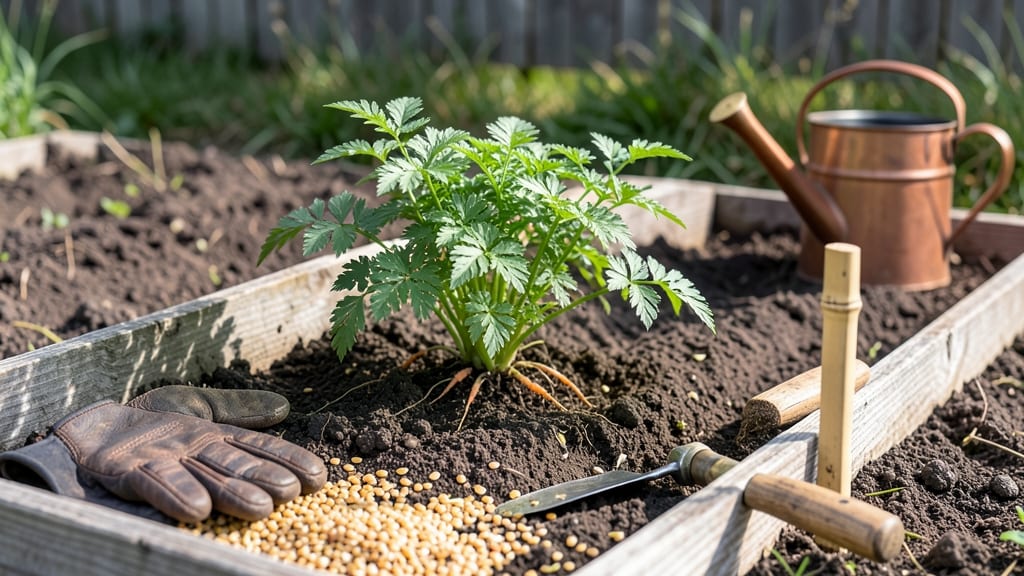
Planting carrots in Vermont's cool, rocky soil isn't just about timing—it's about catching that sweet window between frost and summer heat where your 🥕 roots will thrive.
If you wait too late, you risk bolting or woody roots; plant too early, and a late frost can wipe out your seedlings before they even sprout.
I’ve learned the hard way that Vermont’s USDA zones 4b-6a demand precision—especially when last frosts linger until mid-May and summer heat arrives faster than you think.
The key is knowing exactly when to start seeds indoors or sow directly, depending on whether you’re growing quick-harvest varieties like ‘Danvers’ or slower-maturing types like ‘Chantenay.’
What you’ll discover here is how to align your planting schedule with Vermont’s microclimates, from the cooler highlands to warmer valleys, plus soil prep tricks to beat rocky terrain.
Whether you’re a first-time gardener or a seasoned grower, these strategies will help you stretch your harvest from June through October.
Let’s break down the exact months to plant, the best varieties for your region, and how to avoid common pitfalls—so you can enjoy homegrown carrots that are crisp, sweet, and ready to harvest at their peak.
Vermont carrot planting deadlines: frost dates by variety type
Vermont’s short growing season and variable frost dates demand precise timing for carrot planting. The average last spring frost falls between April 20–May 10, while the first frost typically arrives around October 1.
To maximize your harvest, align planting with these critical windows—especially for short-day varieties that thrive in cooler conditions.
Carrots are cool-season crops, meaning they prefer temperatures between 50°F–75°F. Once soil temperatures exceed 75°F, seeds may fail to germinate or roots can become woody and bitter.
Vermont’s USDA Zones 4b–6a further complicate timing, as northern regions (like Burlington) experience frost later than southern areas (like Bennington).
Here’s how to navigate these challenges with a Vermont-specific planting timeline tailored to your carrot variety:
| Variety Type | Planting Window | Days to Maturity | Vermont Notes |
|---|---|---|---|
| Short-Day Varieties | March 15–April 15 | 50–60 days | Cold-hardy; ideal for early spring. Use row covers if frost threatens. |
| Intermediate Varieties | April 20–May 10 | 60–70 days | Best for main crop. Avoid planting after May 15 in northern VT. |
| Long-Season Varieties | May 15–June 15 | 70–90 days | Risky in VT; prioritize shade cloth if temps exceed 75°F. |
| Fall Planting (Succession) | July 1–August 15 | 50–70 days | Avoid after August 15; use quick-maturing varieties like ‘Paris Market.’ |
For northern Vermont, err on the earlier side (e.g., plant Danvers carrots by April 15), while southern Vermont gardeners can push planting to May 10 safely. Always monitor local frost forecasts—tools like the Vermont Weather Underground provide real-time updates.
If you’re succession planting for a continuous harvest, sow seeds every 2–3 weeks from April through July. This strategy works best with short-day varieties like ‘Rainbow’ or ‘Nantes,’ which mature faster in cooler weather. Avoid planting after August 1, as roots won’t have enough time to mature before frost.
Soil temperature is just as critical as air temperature. Use a soil thermometer to confirm your planting site is above 50°F—cold soil delays germination. In rocky Vermont soil, mix in compost or sand to improve drainage and prevent forked roots.
For fall harvests, aim to plant by August 15 to ensure carrots mature before the first frost. Choose cold-tolerant varieties like ‘Chantenay’ or ‘Moscow Winter,’ which store well in cool, dark conditions (e.g., a root cellar). Mulch heavily with straw to protect roots from freeze-thaw cycles.
Remember: Vermont’s microclimates can shift planting windows by 1–2 weeks. If you’re near a lake (e.g., Lake Champlain), expect cooler, slower-growing conditions compared to inland areas. Adjust your timeline accordingly to avoid bolting
How to adjust planting for Vermont’s microclimates and soil conditions
Vermont’s diverse geography means northern regions like Burlington (Zone 4b) often experience 2-3 weeks later last frost dates than southern areas like Bennington (Zone 6a). For example, Burlington’s average last frost is May 15, while Bennington’s is often by May 1.
This variance impacts when you should plant short-season varieties like ‘Early Nantes’ versus longer-season types like ‘Chantenay’. Always check your local USDA zone and use frost-free date calculators from UVM Extension for precision.
Rocky soil is another Vermont challenge—carrots need deep, loose soil to grow straight. If your garden has clay or stones, amend beds with compost or sand before planting. For areas with shallow topsoil, consider raised beds filled with a mix of compost, peat moss, and perlite.
This creates ideal conditions for longer, straighter roots while preventing forked or stunted growth.
Vermont-Specific Warning
Avoid planting carrots in frozen or waterlogged soil—this causes seed rot and poor germination. Test soil temperature with a soil thermometer; aim for 50°F+ before sowing. Southern Vermont’s warmer microclimates (e.g., near Lake Champlain) may allow earlier planting, but northern gardens should wait until after May 10 to avoid frost damage.
Succession planting is key to extending your harvest in Vermont’s short growing season. For spring crops, sow seeds every 2 weeks from April to June.
Choose fast-maturing varieties (e.g., ‘Paris Market’ in 50 days) for early harvests, then transition to longer-season types (e.g., ‘Danvers’ in 70 days) as temperatures stabilize. For fall planting, aim for seeds to germinate by mid-July—this gives them 8-10 weeks to mature before frost.
Vermont’s humid summers increase the risk of carrot fly infestations. To deter pests, use row covers or interplant with leeks or onions, which repel flies naturally.
In rocky or sandy soils, mulch with straw or grass clippings to retain moisture and suppress weeds, which compete with young seedlings. Always rotate planting locations yearly to break disease cycles—never grow carrots in the same spot two years in a row.
If you’re gardening in high-altitude areas (e.g., above 2,000 feet), like the Northeast Kingdom, adjust planting dates 1-2 weeks later than the statewide average. These regions have shorter frost-free seasons and cooler soils.
For urban gardeners in Burlington or Montpelier, take advantage of microclimates near buildings or paved areas, which warm up faster in spring—ideal for early sowing of cold-hardy varieties like ‘Rainbow’.
Finally, keep a gardening journal to track your Vermont-specific planting dates and outcomes. Note when seedlings emerge, how long it takes to reach harvest, and any pest or weather challenges.
Over time, you’ll refine your schedule to match your unique garden’s microclimate, ensuring consistent carrot success year after year. 🌱