
Plants
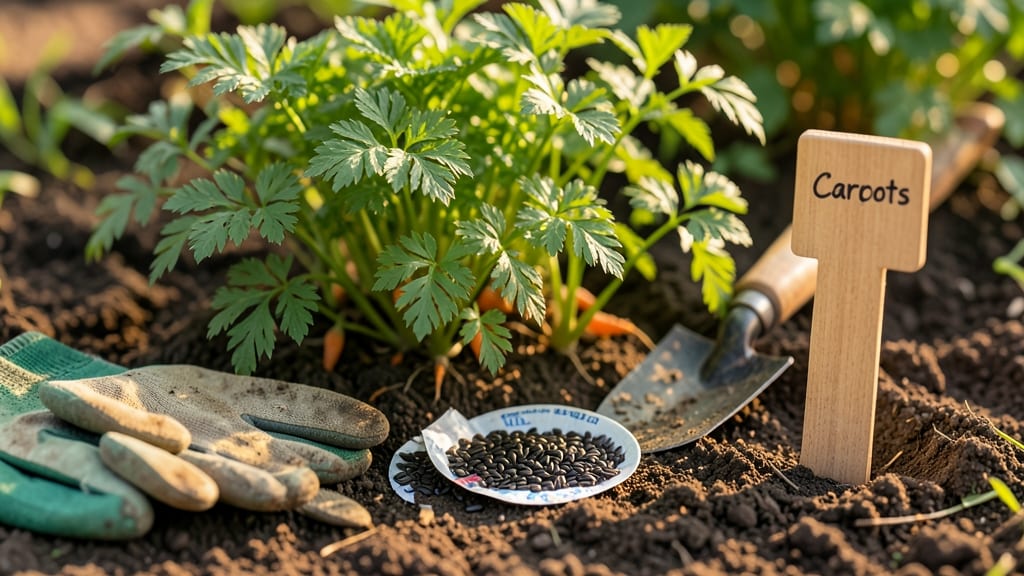
Planting carrots 🥕 in Zone 9a isn't just about avoiding summer heat—it's about unlocking a harvest that lasts from October through April. The key? Starting seeds in late summer, when temperatures dip just enough to prevent bolting while still giving roots plenty of time to mature before winter sets in.
Most gardeners in Southern California, Arizona, or Nevada make the mistake of waiting too long, only to watch their carrots struggle with inconsistent moisture or bolt before they can be harvested.
But with the right timing—typically between mid-August and early September—you can grow sweet, crisp roots that thrive even in mild winters.
I’ve tested this approach for years, and the difference is night and day: no bitter, woody roots, no wasted effort. Whether you’re a seasoned gardener or just starting, these simple adjustments will transform your fall planting into a reliable, low-stress harvest.
Ready to skip the guesswork? Let’s break down the exact dates, soil prep, and variety choices that work best in your climate—so you can enjoy homegrown carrots 🥕 straight from the garden all winter long.
Best fall planting windows for carrots in Zone 9a (with exact dates)
In Zone 9a, where summers are scorching and winters are mild, timing your carrot planting is critical. The ideal window for fall carrots is August through early October, when soil temperatures drop below 80°F but stay above 50°F.
This sweet spot prevents bolting (flowering) while ensuring roots develop before cooler weather sets in.
Carrots are cool-season crops, meaning they thrive when nights dip below 70°F. In Zone 9a, this typically happens by mid-August. Planting too early risks heat stress, while waiting too long may lead to slower growth before winter slows everything down.
Aim for 60-70 days to maturity before the first cold snap.
For a continuous harvest, stagger your plantings every 2-3 weeks from August through September. This ensures you’re always pulling fresh, crisp roots without overcrowding your garden.
In coastal areas of Zone 9a (like San Diego), you might extend planting into early October, while inland regions (like Phoenix) should finish by late September.
Soil temperature is your best indicator. Use a soil thermometer to confirm readings between 50°F and 75°F—this is the golden range for carrot germination and growth. If your soil runs hotter, wait a few weeks or opt for shade cloth to protect young seedlings.
| Planting Window | Soil Temp (°F) | Days to Maturity | Notes |
|---|---|---|---|
| Late August | 65-75°F | 60-70 days | Best for early fall harvests; avoid bolting |
| Mid-September | 60-70°F | 70-80 days | Ideal for winter harvests; slower growth |
| Early October (coastal) | 55-65°F | 80-90 days | Risk of slower growth; use row covers |
🌱 Pro Tip: Test soil moisture weekly—carrots need consistent dampness but hate soggy roots.
If you’re planting in containers, choose shallow varieties like 'Paris Market' and start seeds in late August for a harvest by November. Containers dry out faster, so monitor soil moisture closely—water every 2-3 days in fall.
For in-ground beds, amend soil with compost and sand to prevent forking, a common issue in heavy Zone 9a clay soils.
Don’t forget to thin seedlings to 2-3 inches apart once they’re 2 inches tall. This reduces competition and ensures straight, pencil-thick roots. Use sharp scissors to avoid disturbing nearby plants.
In coastal Zone 9a, where humidity is higher, space seedlings slightly wider (3-4 inches) to improve airflow and prevent fungal diseases.
For a winter harvest, consider using row covers or cold frames starting in December. These protect carrots from light freezes (Zone 9a rarely drops below 30°F, but temps can flirt with freezing).
Remove covers during the day to prevent overheating and check for pests like carrot rust flies, which thrive in mild winters.
Finally, mark your planting dates on a garden calendar to track progress. In Zone 9a, carrots can bolt as early as October if stressed, so prioritize even moisture and partial shade during heatwaves. With the right timing, you’ll enjoy homegrown carrots from November through April!
🌿
How to choose carrot varieties that thrive in Zone 9a’s mild winters
Zone 9a’s mild winters mean you can grow carrots almost year-round, but not all varieties handle the cool but frost-free conditions equally. The right choice ensures sweet, crisp roots without bolting or turning woody. Focus on cold-hardy, slow-bolting types that mature quickly before winter chills set in.
For fall and winter harvests, prioritize varieties like Danvers Half Long and Nantes, which tolerate cooler temps better than standard summer carrots. These types also resist forking in rocky soil, a common issue in Zone 9a’s varied terrain.
Look for labels like "cold-tolerant" or "slow-bolting" to narrow your search.
🥕 Variety Tip: Avoid heat-sensitive types like Chantenay—they bolt in Zone 9a’s late-summer heat but thrive in fall’s cooler weather. Instead, opt for Paris Market (short, sweet) or Purple Haze (nutrient-dense) for unique flavors.
| Variety | Cold Tolerance | Days to Maturity | Best For |
|---|---|---|---|
| Danvers Half Long | Excellent (30°F+) | 60-70 days | Fall/winter harvests |
| Nantes | Good (35°F+) | 55-65 days | Short, sweet roots |
| Paris Market | Very Good (40°F+) | 50-60 days | Early fall planting |
| Purple Haze | Good (35°F+) | 60-70 days | Nutrient-rich harvests |
To extend harvests into winter, use row covers or cold frames for varieties like Danvers. These protect against light frosts (below 30°F) while letting sunlight through. For example, plant Nantes in early October—with a cover, you’ll harvest until December or January.
If you’re planting in late winter (February-March), choose fast-maturing types like Paris Market to avoid bolting as temps rise. Always check seed packets for days-to-maturity and align planting with your target harvest window. For example, a 60-day variety planted in late September will be ready by late November.
Pro tip: Mix varieties for a staggered harvest. Sow Danvers in September, Nantes in October, and Paris Market in November. This ensures fresh carrots from fall through early spring without gaps. Just remember—loose soil is non-negotiable—rocky or compacted soil will fork even the best varieties.