
Plants
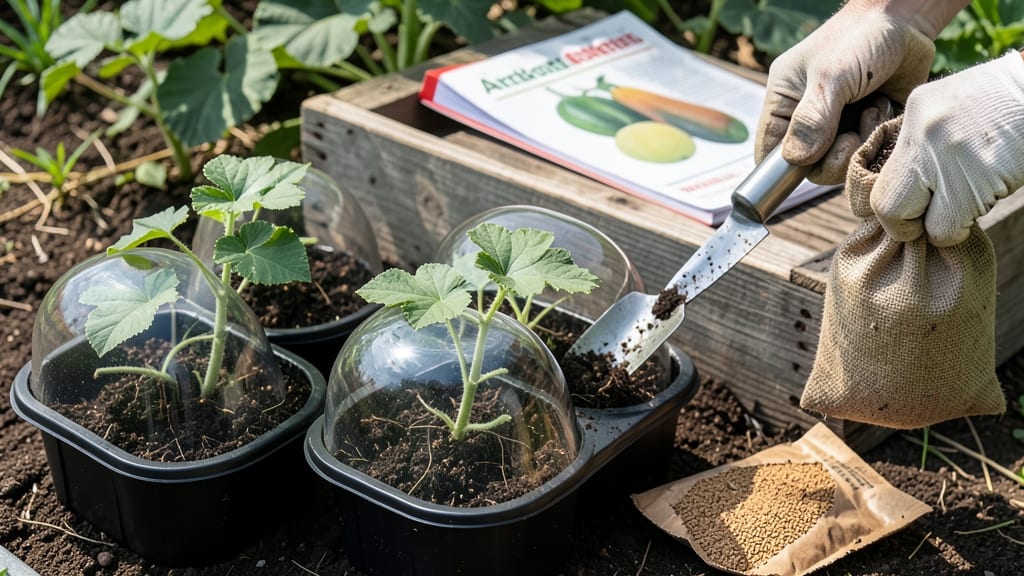
Planting cantaloupe in Arkansas at the wrong time means either frost-killed seedlings or fruit that never matures—neither of which you want. The sweet spot for planting these vines (🍈) lies in mid-April to early May, when soil temperatures finally hit that magic 70°F threshold.
Why does timing matter so much? Because cantaloupe seeds need warmth to germinate quickly, and Arkansas's 7a-8a climate means frost can linger until late March.
Plant too early, and you risk losing your crop to cold snaps; too late, and summer’s heat arrives before your melons have a chance to set fruit.
In this guide, I’ll break down the exact soil temperature triggers you need to watch for, plus regional adjustments for Arkansas’s varied microclimates. Whether you’re direct-sowing seeds or transplanting seedlings, you’ll learn how to time it perfectly for fast germination and a harvest ready by July.
Let’s get those vines growing—without the guesswork. You’ll discover when to start seeds indoors (if you choose), how to prep your soil for success, and what to watch for once those first leaves appear.
Optimal soil temperature for planting cantaloupe in Arkansas (with frost-free deadlines)
Cantaloupe thrives in Arkansas’ warm climate, but timing is critical—soil temperatures below 50°F will stall germination, while planting too late risks summer heat stress. Arkansas spans USDA Zones 7a-8a, so I’ll break down the ideal soil temperature triggers and frost-free planting windows for your region.
For fast germination, wait until soil reaches 50°F (10°C), but transplant seedlings only after soil hits 70°F (21°C). In Arkansas, this typically aligns with mid-April to early May in most areas, but northern counties (like Benton or Washington) may need to wait until late April.
Arkansas’ last frost dates vary by region—southern areas (like Arkansas County) usually see frost by March 15, while northern regions (like Crawford County) may experience frost until April 15. Plan accordingly to avoid frost damage to young plants.
Here’s your region-specific planting timeline based on Arkansas’ microclimates:
| Region | Last Frost Date | Soil Temp for Planting | Ideal Planting Window |
|---|---|---|---|
| Northern Arkansas (Benton, Washington) | April 15 | 70°F+ (after April 20) | Late April to early May |
| Central Arkansas (Pulaski, Saline) | March 25 | 70°F+ (after April 10) | Mid-April to late April |
| Southern Arkansas (Arkansas, Miller) | March 15 | 70°F+ (after April 1) | Early April to mid-April |
| Delta Region (Desha, Chicot) | March 10 | 70°F+ (after March 25) | Late March to early April |
If you’re starting seeds indoors, begin 4-6 weeks before your region’s last frost date. For example, northern Arkansas gardeners should start seeds by mid-March, while southern Arkansas growers can start as early as late February.
Once seedlings are 2-3 inches tall and soil is warm enough, transplant them into the garden. Use black plastic mulch to warm soil faster and retain moisture—this is especially helpful in cooler northern regions.
Pro tip: Use a soil thermometer to monitor temperatures. Cantaloupe seeds won’t germinate below 50°F, and slow growth occurs below 60°F. Aim for consistent 70°F+ soil for optimal results.
After planting, mulch heavily to maintain soil warmth and suppress weeds. Cantaloupe vines spread 3-6 feet, so give them plenty of space—crowding stresses plants and reduces fruit production.
Arkansas’ summer heat is ideal for cantaloupe, but consistent moisture is key. Water deeply 1-2 inches per week, focusing on the root zone to prevent fungal diseases like powdery mildew.
Step-by-step planting schedule: from seed to harvest in Arkansas’ climate
Now that you’ve mastered the soil temperature triggers for planting cantaloupe in Arkansas, let’s walk through a step-by-step schedule that aligns with your region’s climate. Whether you’re direct-sowing seeds or transplanting seedlings, this timeline ensures your cantaloupe vines thrive from seed to harvest.
In Arkansas, cantaloupe is typically grown as an annual summer crop, with a 60-90 day growth cycle. Starting too early risks frost damage, while planting too late may mean your melons never mature before summer’s end. Here’s how to time each stage perfectly for Arkansas’ varied microclimates.
-
1
Start Seeds Indoors (Northern Arkansas)
Late February to mid-March
Sow seeds in biodegradable pots filled with seed-starting mix. Keep soil at 70-75°F using a heat mat. Seedlings should emerge in 5-10 days. -
2
Direct-Sow Seeds (Southern Arkansas)
Late March to early April
Plant seeds ½ inch deep in warm soil (70°F+). Use black plastic mulch to retain heat. Thin seedlings to 12-18 inches apart once they’re 2 inches tall. -
3
Transplant Seedlings (All Regions)
Late April to early May
Harden off seedlings for 7-10 days before transplanting. Plant in full sun, spacing vines 3-6 feet apart in all directions. Bury stems slightly deeper than the pot to encourage root growth. -
4
Flowering & Fruit Set
June (4-6 weeks after transplanting)
Expect yellow male flowers first, followed by female flowers with tiny melons at their base. Hand-pollinate if bees are scarce by gently shaking vines in the morning. Thin fruit to 2-3 per vine for larger melons. -
5
Harvest Time
July to September
Harvest when the stem slips easily from the vine and the rind turns creamy yellow. Use a sharp knife to avoid damaging vines. Store melons in a cool, dry place for up to 1 week.
Arkansas’ Delta Region (like Desha or Chicot counties) can start 2-3 weeks earlier than northern areas, thanks to warmer soil. Meanwhile, Ozark Mountain regions (like Benton or Washington counties) should wait until late April to avoid frost. Adjust your schedule based on your local frost dates and soil warmth.
Once your cantaloupe plants are established, focus on consistent watering and mulching to retain moisture. Arkansas’ summer heat can stress plants, so water deeply in the morning to prevent fungal diseases. Avoid overhead watering to keep leaves dry.
Pro tip: If you’re growing cantaloupe in containers, choose large pots (at least 15 gallons) with drainage holes. Place them in full sun and water daily during heatwaves. Container-grown cantaloupe may produce smaller fruit but is ideal for small spaces or urban gardens.
By following this step-by-step schedule, you’ll avoid common pitfalls like frost damage or overcrowded vines and enjoy a bountiful harvest of sweet, homegrown cantaloupe by midsummer. Happy gardening! 🍈