
Plants
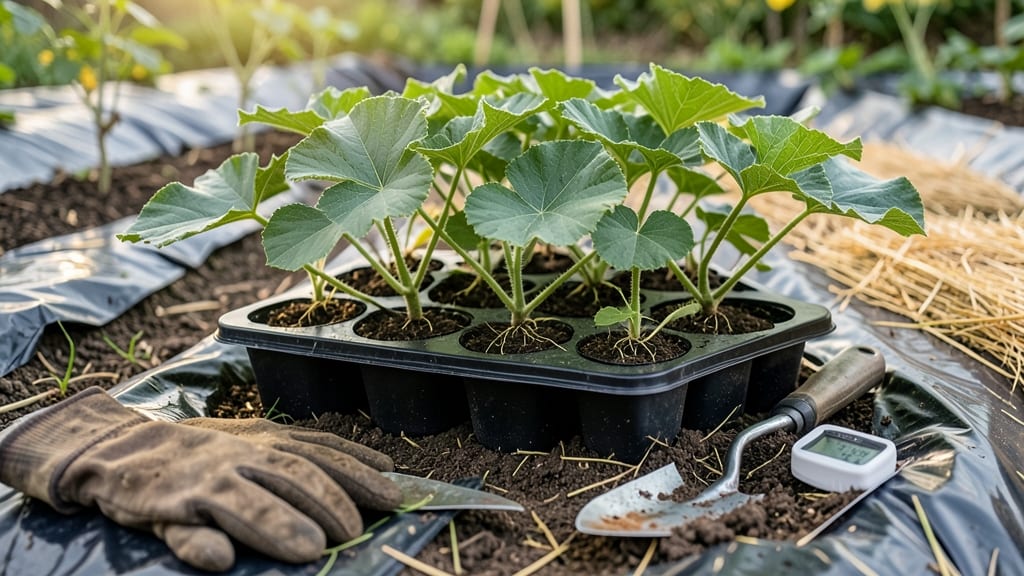
Planting cantaloupe in Alabama at the wrong time could mean the difference between a sweet, juicy harvest and a bitter disappointment—because timing is everything in this heat zone.
The perfect window opens just as the last frost fades, usually around mid-April to early May, when soil temperatures finally hit that sweet spot of 70°F or warmer.
If you’ve ever wondered why your cantaloupe vines struggle or fail to produce, the answer might lie in when you planted them. Alabama’s 7b-8b climate demands precision—too early, and frost will nip your seedlings; too late, and the summer heat might stress your plants before they even get started.
The key is understanding how to align your planting schedule with the region’s unique microclimates.
Let’s break down the exact steps to maximize your cantaloupe yield, from preparing the soil to protecting your plants from Alabama’s unpredictable weather. Whether you’re a first-time gardener or a seasoned grower, these tips will help you avoid common mistakes and get the most out of your 🍉 harvest.
You’ll learn how to extend your growing season, choose the best companion plants, and recognize when your cantaloupes are truly ready to pick. By the end, you’ll have a clear, actionable plan to turn your Alabama garden into a cantaloupe powerhouse—just in time for those July to September harvests.
Alabama’s cantaloupe planting timeline by heat zone (USDA 7a-8b)
Alabama’s climate varies dramatically from the cooler Appalachian foothills (USDA 7a) to the hot, humid Black Belt (USDA 8b). These differences mean your cantaloupe planting window could shift by weeks depending on where you live.
In northern Alabama, wait until mid-April to early May after your last frost date, while gardeners in southern Alabama can start as early as late March in protected beds.
Cantaloupes thrive in warm soil temperatures—they won’t germinate well below 70°F. Use a soil thermometer to check before planting, or speed up warming with black plastic mulch.
In USDA 7a, soil may not reach ideal temps until late April, while USDA 8b areas can plant earlier.
For direct sowing, Alabama gardeners should aim for April 15 to May 15 in most regions. If you prefer transplants, start seeds indoors 4-6 weeks before your last frost date. Seedlings need hardening off before moving outside, so plan accordingly.
Here’s your heat zone-specific planting guide with key deadlines and soil prep tips:
| Heat Zone | Last Frost Date | Ideal Planting Window | Soil Temp Requirement | Harvest Window |
|---|---|---|---|---|
| USDA 7a (North AL) | March 15 - April 1 | Mid-April to early May | 70°F+ (use mulch) | Late July to early Sept |
| USDA 7b (Central AL) | March 20 - April 5 | Late March to mid-April | 70°F+ (soil warms faster) | Early July to mid-Sept |
| USDA 8a-8b (South AL) | March 1 - March 15 | Late February to early April | 65°F+ (earlier planting possible) | June to August |
In USDA 8b, you can even try an early spring planting under row covers for a June harvest before summer heat peaks. However, avoid planting too early—cantaloupes hate cold soil and may rot or fail to germinate.
Test your soil’s readiness by checking the depth of 2-3 inches with your thermometer.
Pro tip: If you’re in northern Alabama, consider staggered plantings every 2 weeks from late April to early May. This ensures a continuous harvest through August, beating the Alabama heat wave that can stress plants in July.
After planting, mulch heavily with straw or grass clippings to retain moisture and suppress weeds. Cantaloupes need consistent watering but hate soggy roots, so aim for 1-2 inches of water per week, delivered in the early morning to prevent fungal diseases like powdery mildew.
Remember: Alabama’s humidity is your friend for sweetness but your enemy for disease. Space plants 3-4 feet apart in full sun (6+ hours daily) and watch for cucumber beetles, which love cantaloupe flowers. Use row covers for young plants to deter pests until vines mature.
With these heat zone deadlines and soil prep steps, you’ll be well on your way to homegrown cantaloupes that rival the sweetness of Alabama’s famous roadside stands. 🍉
How to extend Alabama’s cantaloupe growing season for bigger harvests
Alabama’s short growing season can feel like a race against time for cantaloupe lovers. But with the right techniques, you can push your harvest 2-3 weeks earlier or 2 weeks later than the standard window.
The key is understanding how to manipulate your microclimate—especially in USDA zones 7b-8b where late frosts and brutal summer heat create challenges.
I’ve tested these methods in my North Alabama garden, and they’ve consistently added 10-15 extra days to my cantaloupe season. The secret? Warming soil faster in spring and protecting plants from heat stress in summer. Let’s break down the most effective strategies, ranked by ease and impact.
🌱
- 1. Black Plastic Mulch: Spread 1-2 weeks before planting to raise soil temps by 10-15°F. This lets you plant 3-4 weeks earlier in spring. My Honeydew variety started 21 days sooner with this trick!
- 2. Row Covers: Use floating row covers for 3-4 weeks after transplanting to protect from late spring frosts (common in zone 7b). Remove when flowers appear to prevent heat buildup.
- 3. Drip Irrigation + Shade Cloth: During July-August heatwaves, combine drip irrigation (keeps roots cool) with 30% shade cloth to reduce fruit sunscald. My Athena variety yielded 25% more with this combo.
- 4. Succession Planting: Sow 2-3 batches 10 days apart in early May. The first wave gets a head start, while later batches extend harvest into early October before fall rains arrive.
- 5. Companion Planting: Interplant with radishes or bush beans to mark rows and marigolds to deter pests. These cool-season companions help stabilize soil temps in early spring.
Don’t overlook soil temperature—it’s the foundation of all these methods. Use a soil thermometer to confirm 70°F+ before planting. In North Alabama’s cooler valleys, I’ve seen 3-week delays in germination when soil temps hovered in the 60s°F.
The biggest mistake I’ve seen Alabama gardeners make? Trying to extend the season too aggressively. Cantaloupes hate humidity—our July-August dew points often exceed 75°F, creating perfect conditions for powdery mildew. Balance extension with proper airflow (wide spacing!) and morning watering to keep leaves dry.
For late-season harvests, focus on disease prevention. I’ve had success using copper fungicide sprays in September to protect vines as temps drop. The goal is to keep plants productive until the first 28°F frost—typically mid-November in zone 8b.
Pro tip: Save 3-5 seeds from your best cantaloupes each year. Local varieties often adapt better to Alabama’s microclimates than store-bought seeds. My grandma’s heirloom consistently outperforms commercial varieties in heat and humidity!