
Planting
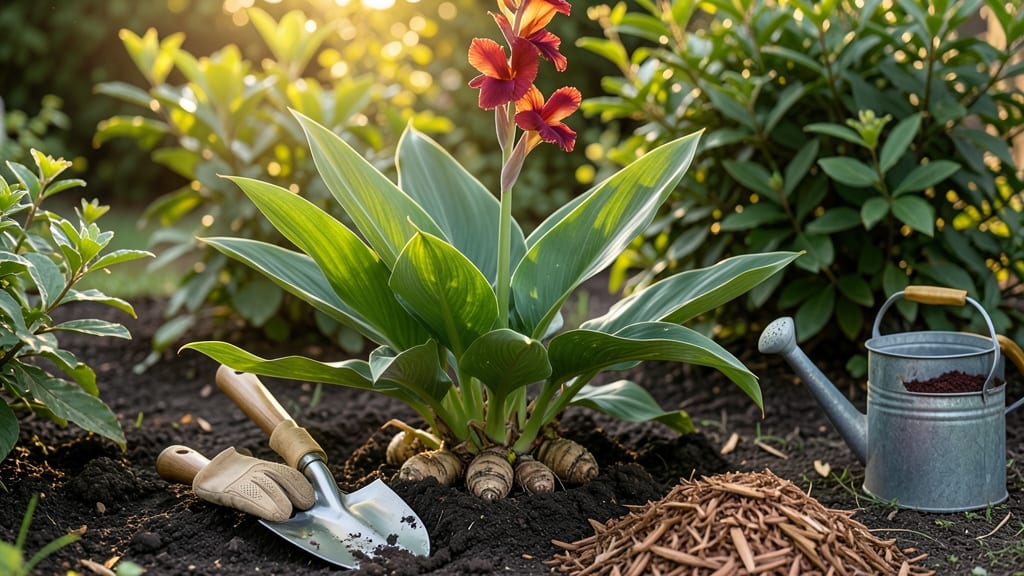
Planting your Canna Lily 🌺 bulbs at the wrong time in spring could mean waiting months—or even years—for those show-stopping blooms. The key to fast, vibrant growth isn’t just waiting for frost-free dates, but checking soil temperature first.
When those roots hit 60°F+, they’ll shoot up like rockets, giving you bold summer color weeks ahead of schedule.
Most gardeners make the mistake of relying on last-frost dates, but cannas hate cold soil. Plant too early, and you’ll risk rot or stunted growth—wasting time and money. The solution? A simple soil test (yes, it’s that easy) to confirm the perfect moment for your Zone 6a climate.
I’ll show you exactly how to do it, plus pro tricks to jumpstart growth if you miss the window.
Once you master this timing hack, your garden will transform from a sleepy spring landscape to a lush, blooming paradise by early summer. No more guessing—just science-backed results.
Let’s get those Canna Lily 🌺 bulbs in the ground the right way, so you can enjoy their dramatic foliage and fiery flowers all season long.
Ready to skip the trial-and-error? I’ll walk you through every step—from soil prep to post-planting care—so your cannas thrive from day one. Trust me, your garden (and your neighbors) will thank you for these fast, foolproof tips.
Ideal soil temperature for planting canna bulbs (and how to check it)
Canna lilies thrive when planted in warm soil, not just after the last frost. The magic number is 60°F (15°C)—this warmth signals the rhizomes to sprout without rotting.
In cooler zones, waiting for this temp can mean planting in late May or June, while warmer regions like USDA Zone 9+ may start as early as April. The key is soil temperature, not air temperature.
Many gardeners mistakenly plant cannas too early, relying on last-frost dates. But cold soil slows growth and invites rhizome rot. I’ve seen cannas planted in 50°F soil take 6+ weeks to sprout—or worse, never emerge. Testing soil temp is the surefire way to avoid this mistake.
Here’s how to check soil temperature accurately: Use a soil thermometer (available for $10-$15) or a DIY pot test. Bury a thermometer in the ground where you’ll plant, or fill a pot with garden soil, bury it for 24 hours, then check the temp.
Aim for 60°F+ at 4-6 inches deep, the depth where canna rhizomes will sit.
🌱 Pro Tip: Morning is the best time to test—soil temps rise during the day, so an afternoon reading might be misleadingly high.
| USDA Zone | Typical Planting Window | Soil Temp Check | Risk if Planted Too Early |
|---|---|---|---|
| 7-8 | Late May - Early June | 60°F+ (mid-May) | Rot, stunted growth |
| 9-10 | April - Early May | 60°F+ (early April) | Slow sprouting |
| 11 | March - April | 60°F+ (late Feb) | Minimal delay |
If your soil isn’t warm enough yet, don’t rush! Canna rhizomes are tropical plants that hate cold. Instead, use black plastic mulch or a heat mat to warm the soil faster.
I’ve seen gardeners in Zone 7 plant cannas in mid-April with these tricks and still get blooms by July.
For container growers, soil warms up 3-5°F faster than in-ground soil. If you’re using pots, check soil temp daily once air temps hit 65°F. Containers also let you move cannas to sunnier, warmer spots if needed.
🌿 Warning: Never plant cannas in cold, wet soil. The combination is a recipe for fungal diseases like rhizome rot. If your soil is below 60°F, wait—your patience will pay off with healthier, faster-growing plants.
Once your soil hits 60°F+, plant your canna rhizomes 4-6 inches deep, spacing them 12-18 inches apart. Add a 2-inch layer of compost to the planting hole for extra nutrients, then water deeply.
Within 2-3 weeks, you’ll see those first bright green shoots breaking through the soil—proof you’ve timed it just right!
☀️ Quick Checklist Before Planting: ☑️ Soil temp = 60°F+ ☑️ Last frost date 3+ weeks past ☑️ Full sun spot 6+ hours/day ☑️ Well-draining soil (amend with compost if needed)
Last-frost-date vs. soil temp: why calendar timing fails for canna bulbs
Most gardeners rely on last-frost dates to time their spring plantings, but canna bulbs don’t follow that rule. These tropical beauties need soil temperatures of 60°F+ to thrive—often weeks after frost danger has passed.
Planting too early can lead to rotten rhizomes or stunted growth, while waiting too long delays those stunning summer blooms.
For example, in USDA Zone 8, last frost might occur in mid-March, but soil doesn’t warm enough until late April or early May. If you plant cannas right after frost, you risk bulb rot from cold, damp soil.
The key is matching planting time to soil warmth, not just air temperature.
Here’s the hard truth: Calendar dates are misleading for cannas. A late frost in May can still leave soil too cool, while an early warm spell in April might not be enough. The only reliable way to time canna planting is by checking soil temperature—not the weather forecast.
| Scenario | Risk Level | Consequence |
|---|---|---|
| Planting 4+ weeks before soil reaches 60°F | High | Bulb rot, fungal diseases, slow or no sprouting |
| Planting 2 weeks before soil reaches 60°F | Medium | Stunted growth, delayed blooming, weak stems |
| Planting at 60°F+ soil temp | Low | Fast, healthy growth; vibrant blooms on schedule |
| Planting 2+ weeks after soil reaches 60°F | Low | Slightly delayed blooms, but minimal risk |
If you’re in a cooler climate (Zones 7-8), waiting for soil to warm naturally might mean planting in June. But in warmer zones (9-11), you can plant as early as April.
The solution? Use a soil thermometer or the simple pot test (bury a pot in the garden overnight—if it’s warm to touch the next morning, your soil is ready).
Pro tip: In Zone 7, where frosts can linger into May, I’ve had success using black plastic mulch to warm the soil faster. Lay it down 2-3 weeks before planting to create a microclimate that’s ready for cannas weeks ahead of schedule.
Don’t let outdated frost-date advice ruin your canna dreams. The secret to fast, lush canna growth is all about soil temperature—not the calendar. Test your soil, wait for warmth, and you’ll be rewarded with bold blooms by midsummer.