
Plants
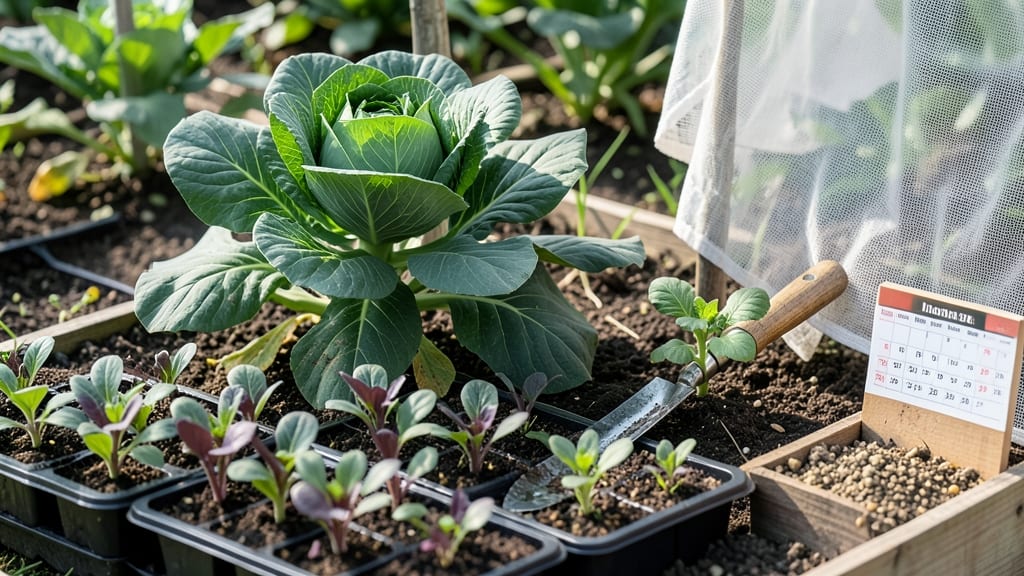
Planting cabbage at the wrong time in Zone 8a can turn your crisp, sweet heads into bitter, bolted disappointments—especially when summer heat rolls in. The key to growing 🥬 that stays tender and flavorful lies in timing your starts just right, whether you're aiming for spring or fall harvests.
In Zone 8a, where last frosts linger around mid-February and first frosts arrive by mid-November, you’ve got two prime windows to work with. Miss them, and you’ll face either stunted growth from heat stress or wasted effort on plants that bolt before maturing.
Let’s break down exactly when to plant for the best harvests—and how to stretch your season if the weather plays tricks.
Spring plantings should begin in February or March, giving your cabbage 60–80 days to mature before summer’s relentless sun takes over. Fall crops, on the other hand, need to hit the ground by August or early September to avoid the same fate.
But here’s the catch: not all varieties handle Zone 8a’s heat the same way.
Discover how to pick the right types, extend your growing season with smart tricks, and avoid the costly mistakes that turn your cabbage dreams into a lesson in frustration. Let’s get those heads growing the right way.
Ideal cabbage planting windows in Zone 8a: month-by-month breakdown
In Zone 8a, where summers can push 90°F+ temperatures, timing your cabbage planting is everything. The key is to avoid the heat stress that causes bolting—when plants prematurely flower and turn bitter. My best advice? Plant in two distinct windows: early spring and late summer/fall.
For spring plantings, start seeds indoors 6–8 weeks before your last frost (typically February in Zone 8a). Transplant outdoors 4–6 weeks before last frost, usually by early March. This gives your cabbage time to mature before summer heat sets in.
Your second planting window opens in late summer. Aim to sow seeds or transplant August–September, with harvests timed to finish before the first frost (around mid-November). This strategy lets you enjoy fall and winter harvests when temperatures cool.
| Planting Window | Action | Notes |
|---|---|---|
| Early Spring | Start seeds indoors: February | Transplant outdoors: Early March |
| Early Spring | Direct sow: Late February–Early March | Use shade cloth if temps exceed 80°F. |
| Late Summer/Fall | Start seeds indoors: July–Early August | Transplant outdoors: August–September |
| Late Summer/Fall | Direct sow: Late August–September | Choose heat-tolerant varieties like 'Cavalo' or 'Golden Acre'. |
| Avoid | Planting after May | Risks bolting from summer heat. |
To calculate your last safe planting date, count backward from your first frost (typically November 15 in Zone 8a) using your chosen variety's days to maturity. For example, if your cabbage takes 80 days to harvest, plant by late August to avoid frost.
Pro tip: Use succession planting in your fall window. Sow seeds every 2–3 weeks from August–September to stagger harvests. This ensures a steady supply of fresh cabbage without overwhelming your garden at once.
If you're unsure about your local frost dates, check your USDA Plant Hardiness Zone Map or ask your local Cooperative Extension Service. Microclimates—like urban heat islands or shaded spots—can shift your ideal planting dates by 1–2 weeks.
For heat-sensitive varieties, like green cabbage, prioritize the fall planting window. If you love red or purple cabbage, they handle heat slightly better but still need careful timing. Always read the seed packet for variety-specific advice.
Remember: Soil temperature matters just as much as air temperature. Cabbage seeds need soil at 45–85°F to germinate. Use a soil thermometer to check before sowing—cool soil speeds up germination, while hot soil can delay it.
Ideal cabbage planting windows in Zone 8a: month-by-month breakdown
Zone 8a gardeners face a unique challenge: summer heat can turn sweet cabbage into bitter, bolted disappointment if planted too late. The key is timing—two distinct windows work best for this cool-weather crop.
For spring harvests, aim for February through March, while late summer plantings should start by mid-August to avoid heat stress.
Your last frost date in Zone 8a typically falls around February 15, but microclimates near coasts may push this earlier. Calculate your planting window by counting backward: 6-8 weeks before last frost for direct sowing or 4-6 weeks if starting seeds indoors.
This ensures mature plants are ready when temperatures stabilize below 75°F.
| Planting Window | Key Considerations | Harvest Timeline |
|---|---|---|
| Early Spring (Feb–Mar) | Soil temps 50–60°F, avoid late frosts | May–July |
| Late Summer (Aug–Sep) | Plant before 85°F soil temps; use shade | Oct–Dec |
| Avoid Planting After | September 15 (heat risk increases) | N/A |
For spring plantings, February is your earliest safe month—direct-sow seeds when soil reaches 50°F. Transplant seedlings in March for larger heads. Choose heat-tolerant varieties like 'Golden Acre' or 'Cavalo' if extending into early April, as temperatures can still fluctuate.
Always harden off seedlings for 7–10 days before transplanting to prevent shock.
Late summer plantings require urgency: start seeds indoors by mid-July or direct-sow by August 1. Use shade cloth (30–50%) to protect young plants from afternoon sun.
Soil temperatures above 80°F trigger bolting—monitor with a soil thermometer. Mulch heavily with straw or black plastic to keep roots cool and moist.
Pro tip: Succession plant every 2–3 weeks in spring for continuous harvests. In fall, stagger plantings from August through September to extend your window. Remember, cabbage needs 60–80 days to maturity—don't wait until October to start seeds unless you're using fast-maturing varieties like 'Early Jersey Wakefield' (58 days).
Watch for heat stress signs like yellowing leaves or loose heads—these mean it's time to harvest or provide emergency shade. With precise timing, you can enjoy crisp, sweet cabbage twice a year in Zone 8a, even with the summer heat challenge. 🥬