
Plants
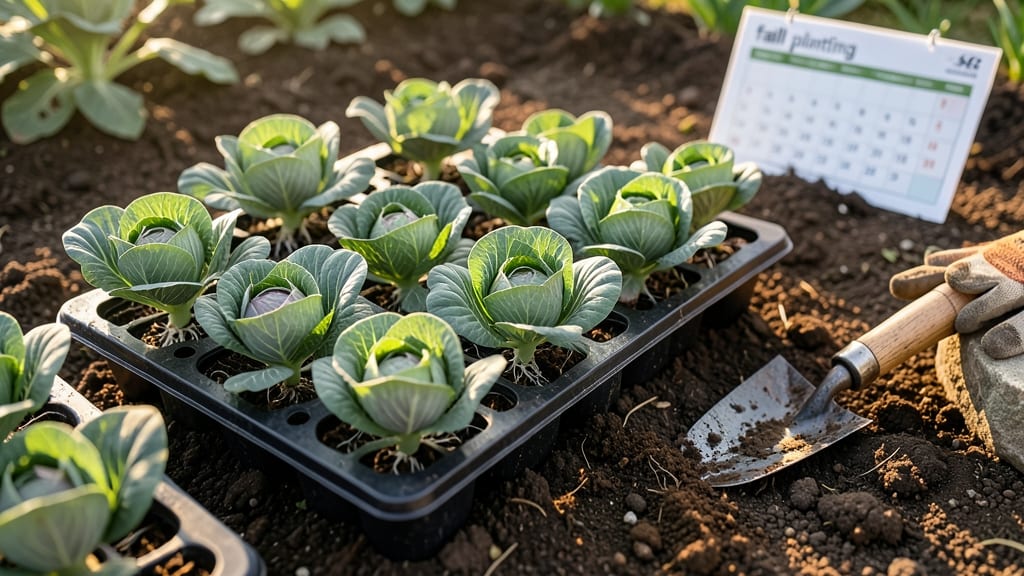
Planting cabbage in California at the wrong time can turn your crisp, sweet heads into bitter, stunted disappointments—especially when coastal fog clashes with inland heat. The key to success lies in understanding your microclimate, whether you're in the Bay Area's 9b-10b zones or the Central Valley's 8a-9a regions.
For most California gardeners, the ideal window opens in late summer (August–September) for a winter harvest or early spring (February–March) for summer crops. But here's the catch: coastal areas like San Francisco can start 4–6 weeks earlier than inland spots like Sacramento, where heat can stress young plants.
I’ve tested these timing strategies across different regions, and the results speak for themselves—crisp, flavorful cabbage that thrives when planted at the right moment. Let’s break down exactly when to get your 🥬 seeds in the ground for your specific corner of the state.
Whether you're a seasoned gardener or just starting, getting the timing right means fewer pests, better flavor, and a harvest that lasts. Ready to avoid the common mistakes and maximize your yield? Let’s dive into the details.
California cabbage planting calendar: coastal vs inland start dates compared
Cabbage thrives in California’s cooler seasons, but timing varies dramatically between coastal and inland regions. Coastal areas like San Francisco and Santa Barbara enjoy milder winters, while inland valleys such as Sacramento and Fresno face earlier frosts.
Understanding these differences ensures you plant at the perfect moment for crisp, sweet heads—not bitter or stunted growth.
For coastal California, the ideal planting window starts in late August to early September for a winter harvest. Inland areas should begin 4-6 weeks later, around mid-September to early October.
Spring plantings follow a similar pattern, with coastal regions starting in February and inland areas waiting until March.
Here’s how to align your planting with California’s microclimates for maximum success:
| Region | Fall Planting Window | Spring Planting Window | First Frost Risk |
|---|---|---|---|
| Coastal (SF, LA, Santa Barbara) | Late August–Early September | February–Early March | January 15–February 1 |
| Inland (Sacramento, Fresno, Bakersfield) | Mid-September–Early October | March–Early April | December 1–December 15 |
| High Desert (Palm Springs, Joshua Tree) | October–November | April–May | November 15–December 1 |
Why the delay for inland areas? Soil temperatures and frost risk shift dramatically. Coastal regions benefit from ocean breezes that moderate temperatures, while inland valleys experience earlier and harder frosts. Planting too early inland risks frost damage or bolting (premature flowering) due to heat stress in summer.
For spring plantings, coastal gardeners can start as early as late January, while inland growers should wait until mid-March to avoid heat stress. The key is to ensure 60-75 days of cool weather before harvest—any hotter, and your cabbage heads will turn bitter or split.
Use a soil thermometer to confirm readiness: cabbage seeds need 40–50°F soil temperatures to germinate. Coastal soils often hit this mark 2-3 weeks earlier than inland soils. If your soil is too warm, delay planting or use shade cloth to protect young seedlings.
Pro tip: Direct sow seeds for fall crops in August-September (coastal) or September-October (inland). For spring, start seeds indoors 4-6 weeks before transplanting to give them a head start. This method works especially well for urban gardeners with limited space.
Remember, harvest timing is just as critical as planting. Coastal cabbages are ready by December-January, while inland varieties mature by November-December. Rush the harvest, and you’ll miss out on peak sweetness—wait too long, and the heads may split or bolt.
🌱
California cabbage planting calendar: coastal vs inland start dates compared
Cabbage thrives in California’s cool seasons, but timing varies dramatically between coastal fog belts and inland heat zones. Coastal areas like San Francisco and Santa Barbara enjoy milder winters, while inland valleys like Sacramento and Fresno face earlier frosts.
Planting at the wrong time risks bitter flavors or premature bolting—here’s how to nail your schedule.
For coastal regions, start seeds indoors in late July to August for a fall crop, transplanting outdoors by September 15. Inland gardeners should wait until mid-August for seeds and transplant by October 1.
Spring plantings follow the opposite pattern: coastal areas can start seeds in February, while inland zones wait until March.
| Region | Fall Planting Window | Spring Planting Window | Key Consideration |
|---|---|---|---|
| Coastal (SF, LA, Santa Barbara) | Seeds: Late July–Aug Transplant: Sept 15–Oct 15 |
Seeds: Feb–March Transplant: March–April |
Fog protection—avoid summer heat (above 80°F) |
| Inland (Sacramento, Fresno, Bakersfield) | Seeds: Mid-Aug–Sept Transplant: Oct 1–Nov 1 |
Seeds: March–April Transplant: April–May |
Frost risk—plant 6–8 weeks before first frost |
Use a soil thermometer to confirm readiness—ideal soil temps for transplanting are 50–60°F. Coastal gardeners can push the envelope slightly later due to milder winters, but inland areas must account for earlier frosts.
For example, Sacramento’s first frost often hits by December 1, while San Francisco rarely sees frost before January 15.
Pro tip: Shade cloth (30–50%) helps inland gardeners extend the spring planting window into early May, shielding plants from heat stress. Coastal gardeners can skip this step but should still water deeply in dry spells to prevent bolting.
Remember, cabbage needs 75–120 days to mature—plan your harvest timing accordingly. Fall plantings in coastal areas yield winter harvests (Dec–March), while inland spring plantings deliver summer crops (June–August). Adjust varieties based on your region’s frost-free days to maximize success.
🌱