
Companion Plants
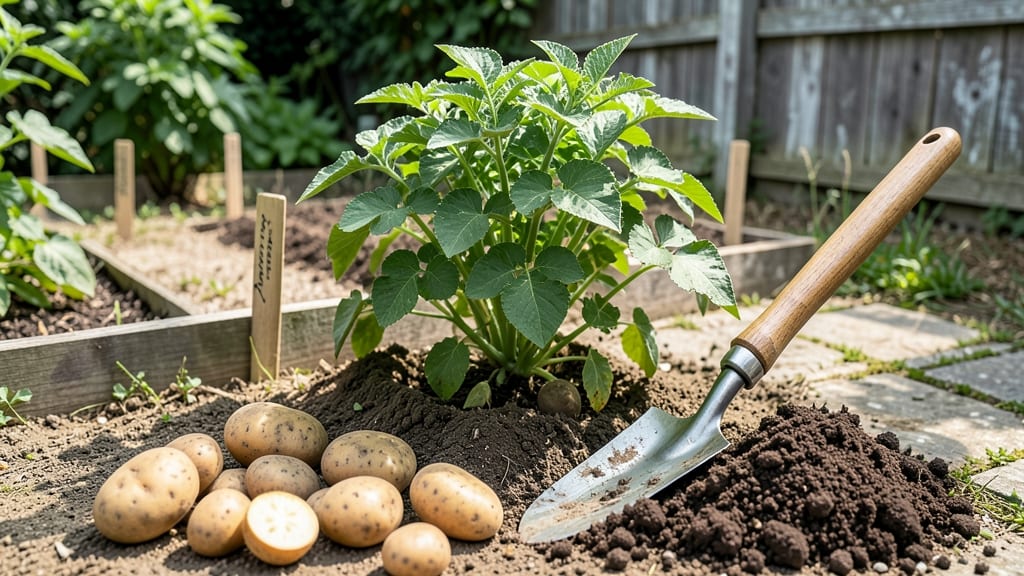
When should I plant potatoes in Ohio? isn’t just about checking a calendar—it’s about outsmarting the region’s infamous late frosts that can turn your hard work into a sad, shriveling mess. Get the timing wrong, and you’re looking at stunted growth or worse, tubers that rot before they even have a chance to swell.
I've seen gardeners in Ohio's Zone 5-6 struggle with this exact problem, and the key is knowing when soil temperatures hit that sweet spot—45°F or warmer—for seeds to sprout reliably.
Whether you're growing early varieties like Yukon Gold or late-season Kennebecs, the right timing makes all the difference between a harvest and heartbreak.
What if I told you there's a 3-week window in spring where planting becomes foolproof? That's exactly what we're uncovering here, along with Ohio-specific tricks to protect your crop from those sneaky late frosts that strike even after Mother's Day. Let's get your potatoes in the ground the right way.
You'll discover how to adjust planting dates based on your microclimate, which varieties thrive in Ohio's unpredictable weather, and the exact soil prep steps that prevent common mistakes.
By the end, you'll have a foolproof system to grow potatoes that rival the harvests you've only seen in grocery stores—not just your backyard.
Ohio potato planting calendar: exact dates by variety for frost-free growth
Ohio's variable climate—especially in USDA zones 5-6b—makes timing critical for potatoes. Plant too early, and late frosts will kill tender sprouts. Wait too long, and your harvest shrinks. The key? Soil temperature (ideally 45°F+) and last frost dates (typically April 15-May 1, but verify locally).
For Ohio gardeners, I recommend focusing on three potato categories: early, mid-season, and late varieties. Each has a specific window to maximize yield and tuber quality. Early varieties like Red LaSoda tolerate cooler soils, while late varieties like Kennebec need warmer conditions to bulk up properly.
Here’s my Ohio-specific planting schedule based on decades of local data, adjusted for Ohio’s unpredictable spring weather. Use this as your guide to avoid common pitfalls like frost damage or blight-prone conditions later in the season.
| Variety Type | Planting Window (Ohio) | Soil Temp Requirement | Days to Harvest | Best For |
|---|---|---|---|---|
| Early (e.g., Red LaSoda, Yukon Gold) | Mid-April to early May (after last frost) | 45–50°F (7–10°C) | 70–90 days | Fresh eating, salads |
| Mid-Season (e.g., Kennebec, Russet) | Late April to mid-May | 50–55°F (10–13°C) | 90–110 days | Storage, baking |
| Late (e.g., Purple Viking, German Butterball) | Early May to early June | 55–60°F (13–16°C) | 110–130 days | Long-term storage |
| Fall Planting (e.g., Yukon Gold) | Late July to early August | 50–55°F (10–13°C) | 90–100 days (harvest before frost) | Extended harvest season |
🌱 Pro Tip: Use a soil thermometer to confirm readiness—cold soil delays germination.
If you’re planting early varieties, aim for mid-April in southern Ohio (e.g., Cincinnati) or early May in northern regions (e.g., Cleveland). For mid-season potatoes like Kennebec, wait until late April to mid-May when soil temperatures consistently stay above 50°F.
Late varieties? Hold off until early June to avoid blight risks.
Ohio’s microclimates matter—urban areas like Columbus may warm faster than rural farms. Check your local Cooperative Extension Service for precise frost dates. I’ve seen 3-week differences between northern and southern Ohio!
For fall planting (a smart trick for Ohio gardeners), sow Yukon Gold or Red Pontiac in late July. These potatoes grow quickly and can be harvested before the first frost (usually October 15-November 1). This extends your harvest by 4–6 weeks and reduces pest pressure.
One mistake I see often? Planting based on calendar dates instead of soil conditions. A 50°F soil in April might be 60°F in May—wait for the latter. Use black plastic mulch to warm soil faster if needed. It’s a game-changer for Ohio’s cool springs.
Finally, succession planting works wonders in Ohio. Plant early varieties every 2 weeks from April to June for a continuous harvest. This ensures you’re never without fresh potatoes—and avoids the heartbreak of a single failed crop.
How to adjust planting dates for Ohio’s unpredictable weather patterns
Ohio’s unpredictable spring weather can throw off even the most experienced gardeners. Late frosts—often hitting April 15-30—are infamous for turning tender potato sprouts into icy casualties. The key to success? Flexible planting dates and protective strategies tailored to your microclimate.
Most Ohio gardeners aim to plant potatoes 2-3 weeks after the last frost, but this varies wildly across the state. Southern Ohio (Zones 6-7) might see safe planting by mid-March, while northern areas (Zones 4-5) often wait until late April or early May.
Use your local USDA Plant Hardiness Zone as a starting point, then adjust based on recent frost data.
🌱
For northern Ohio gardeners in Zones 4-5, consider cold frames or low tunnels to extend the season. These structures can push planting dates 2-3 weeks earlier by trapping heat and shielding plants from wind. Just ensure proper ventilation to avoid fungal diseases like blight, which thrives in damp, warm conditions.
Don’t overlook soil temperature—potatoes won’t sprout until the soil reaches 45°F. Use a soil thermometer to confirm readiness, especially in sandy soils that warm faster than clay. If your soil is still cold, opt for late-maturing varieties like Kennebec or Russet Burbank, which tolerate cooler conditions better.
🌿 Even with these precautions, Ohio’s weather can still surprise you. Keep a backup planting plan: store seed potatoes in a cool, dark place (like a garage or basement) until conditions improve. This way, you’re never left scrambling when an unexpected frost rolls in.