
Planting
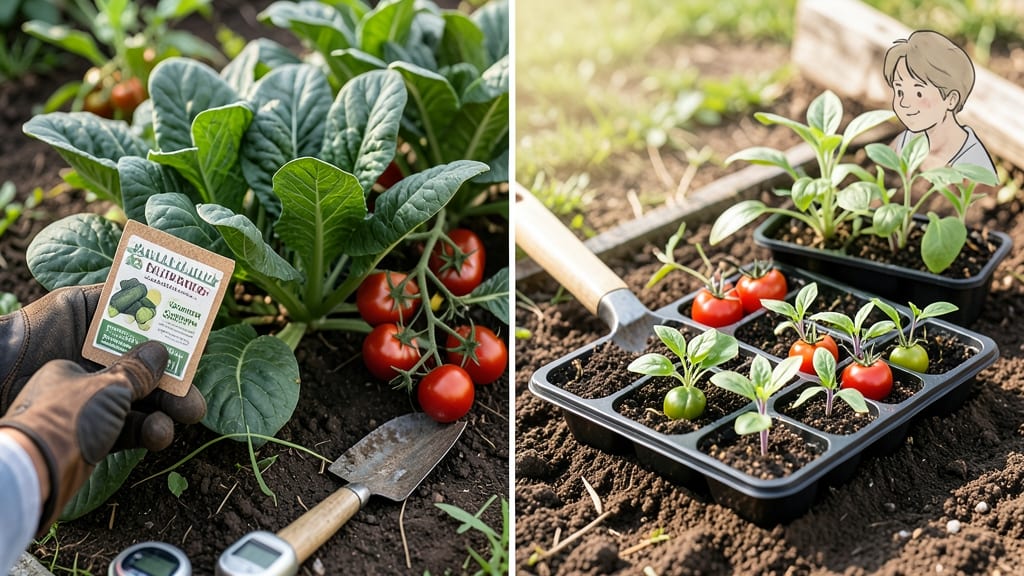
Planting a garden in Alabama at the wrong time can mean the difference between lush 🌱 General Alabama Garden thriving in your backyard and seeds wasted before they even sprout.
With frost dates that shift from late February to early March in the north and as late as April in the south, timing is everything.
You might assume that since Alabama’s climate is warm, you can plant whenever you want—but that’s a common mistake. Cool-season crops like lettuce and broccoli need to go in the ground 4-6 weeks before the last frost, while warm-season favorites like tomatoes and peppers won’t tolerate chilly soil.
Getting it right means checking soil temperatures and adjusting for your specific region.
In this guide, I’ll break down the exact planting windows for Alabama’s USDA zones 7a-8b, including when to start seeds indoors, when to transplant, and how to handle those pesky late frosts.
Whether you’re in the mountains or along the coast, you’ll find the perfect schedule for your garden’s success.
Ready to grow a garden that actually produces? Let’s dive into the best times to plant—so you can enjoy fresh veggies and blooms all season long.
Alabama frost dates & soil temperature guidelines by region
Alabama’s gardening season varies dramatically from the cool mountain air of North Alabama to the humid coastal warmth of the Gulf Coast. Understanding your USDA Hardiness Zone (7a-8b) and last frost dates is critical for timing your plantings.
North Alabama (Zones 6b-7a) typically sees its last frost around March 15, while South Alabama (Zones 8a-8b) often warms up by February 20—sometimes even earlier.
For successful planting, focus on two key metrics: soil temperature and frost-free windows. Most cool-season crops (like lettuce or broccoli) thrive when soil hits 50°F, while warm-season crops (tomatoes, peppers) need 60°F+.
In Alabama, this usually aligns with April for northern regions and March for southern areas—but always double-check with local Alabama Extension Service data.
🌱 Pro Tip: Use a soil thermometer to confirm temperatures before planting. Cold soil can stunt growth even if air temps feel warm.
🌡️ Alabama Planting Zones & Timing Guide
| Region | USDA Zone | Avg Last Frost | Soil Temp for Cool Crops | Soil Temp for Warm Crops | Best Planting Window |
|---|---|---|---|---|---|
| North Alabama | 6b-7a | March 15 | 50°F (April) | 60°F+ (April-May) | Cool: Feb-Mar Warm: May-June |
| Central Alabama | 7a-7b | March 1 | 50°F (March-April) | 60°F+ (April) | Cool: Jan-Feb Warm: April-May |
| South Alabama | 8a-8b | February 20 | 50°F (Feb-Mar) | 60°F+ (March) | Cool: Dec-Jan Warm: March-April |
Note: Coastal areas (e.g., Mobile) may have earlier last frosts, while mountain regions (e.g., Huntsville) can experience late frosts into April.
Alabama’s fall planting window is another golden opportunity, especially for cool-season crops like spinach or kale.
Aim to plant these by August 15 in North Alabama and September 15 in South Alabama to ensure a harvest before the first frost. Warm-season crops can sometimes be sown in late summer (July-August) for a fall harvest, but monitor soil temps closely—heat stress can delay germination.
Microclimates play a huge role in Alabama gardening. For example, valleys often frost earlier than ridge tops, while urban heat islands in cities like Birmingham can push soil temps up faster.
If you’re unsure, err on the side of caution—wait until after the average last frost for warm crops, and use row covers to protect tender seedlings in spring.
One of my favorite tricks for extending Alabama’s growing season is using black plastic mulch to warm soil early. Lay it down in February (Central/South) or March (North) to create a 5-10°F warmer microclimate for early plantings like tomatoes or peppers.
Just remove it once soil temps stabilize to avoid overheating.
For herbs and perennials, timing matters less—but don’t plant too late. Most herbs thrive with 6+ hours of sun and prefer to establish roots before Alabama’s summer heat peaks (June-August).
Plant rosemary or thyme in early spring (March-April) for best results, while basil (a heat lover) can wait until after last frost.
Always check Alabama Extension’s frost maps for your county, as local conditions vary. For instance, Anniston’s last frost might align with North Alabama, while Daphne’s could mirror South Alabama. When in doubt, start seeds indoors 6-8 weeks before your target planting date to give seedlings a head start.
Remember: Alabama’s humidity and heat can accelerate growth, so monitor plants closely. A two-week delay in planting might mean the difference between a bountiful harvest
Alabama frost dates & soil temperature guidelines by region
Alabama’s three distinct regions—North, Central, and South—each have unique frost dates and soil warming patterns. North Alabama (e.g., Huntsville) typically sees its last frost around March 15, while South Alabama (e.g., Mobile) often warms up by February 28.
Central Alabama (e.g., Birmingham) falls in between, with March 1 as the average last frost date.
Soil temperature is just as critical as frost dates. Cool-season crops like lettuce and peas thrive when soil reaches 50°F, while warm-season crops such as tomatoes and peppers need soil at 60°F+ to germinate.
In Alabama, soil warms quickly in spring, but North Alabama’s cooler microclimates may require row covers or cold frames for early planting.
| Region | Last Frost | First Frost | Soil Temp for Cool Crops | Soil Temp for Warm Crops |
|---|---|---|---|---|
| North Alabama | March 15 | November 15 | 50°F+ (by March 1) | 60°F+ (by April 15) |
| Central Alabama | March 1 | November 1 | 50°F+ (by February 28) | 60°F+ (by April 1) |
| South Alabama | February 28 | October 31 | 50°F+ (by February 15) | 60°F+ (by March 15) |
For North Alabama gardeners, I recommend starting cool-season crops indoors in January to get a head start. In South Alabama, you can even plant warm-season crops like okra as early as March 15 if soil temperatures cooperate.
Always check Alabama Extension’s frost maps for your exact county, as microclimates (like valleys or hilltops) can shift frost dates by weeks.
Soil preparation is key. Work in compost or aged manure 2-3 weeks before planting to improve drainage and warmth. In North Alabama, where soils stay cooler longer, consider using black plastic mulch to raise soil temperatures by 5-10°F.
This trick helps warm-season crops like peppers and eggplants thrive earlier in the season.
Don’t overlook fall planting—Alabama’s mild winters allow for late-season harvests. In North Alabama, plant broccoli and kale by August 15 for fall harvests before the first frost.
In South Alabama, you can extend growing into December for crops like spinach and radishes, thanks to the region’s longer frost-free season.
Pro tip: Use a soil thermometer to monitor temperatures. Aim for consistent warmth—fluctuations can stunt seedling growth. If your soil isn’t warm enough by the ideal planting window, opt for transplants instead of direct sowing for faster results.