
Planting
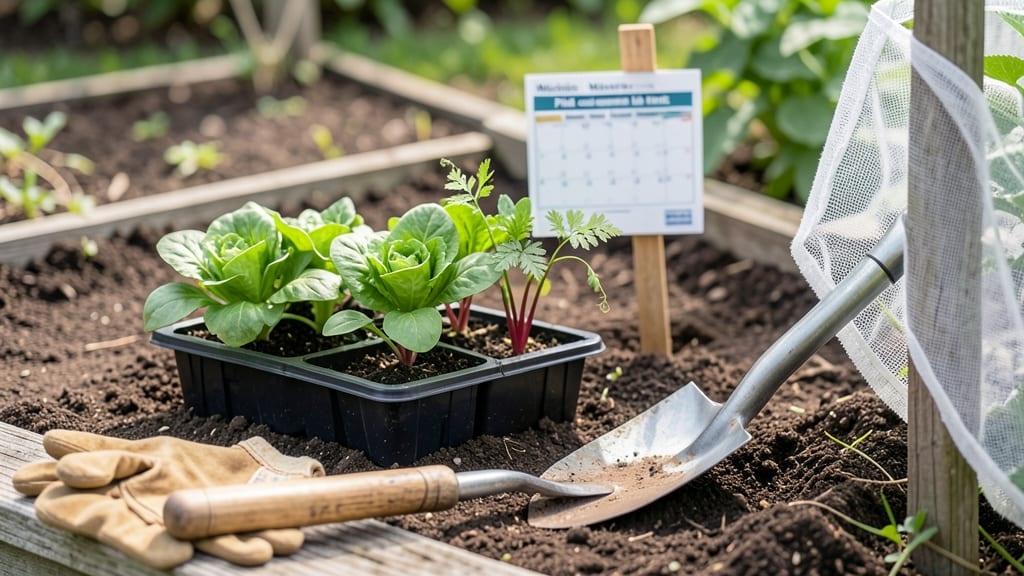
Planting a garden in Michigan isn’t just about grabbing seeds and digging in—it’s about timing your 🌱 with precision to beat frost and maximize your harvest. The wrong window, and you’re either staring at frozen seedlings or rushing to plant after the last safe date has passed.
Whether you’re in the Upper Peninsula’s cooler Zone 5 or southern Michigan’s slightly milder Zone 6, the rules shift based on soil temperature, frost trends, and even microclimates.
I’ve spent years tracking Michigan’s planting windows, and the difference between a thriving garden and a disappointing one often comes down to knowing when—not just what—to plant.
In this guide, I’ll break down the exact frost dates and soil temps you need to watch, plus how to adjust for your specific corner of the state. No more guessing—just science-backed timing so your garden grows like it’s supposed to.
Ready to turn your Michigan plot into a productive haven? Let’s get started with the first critical step: understanding your region’s unique planting calendar.
Michigan frost dates & last average frost timelines by region
Michigan’s gardening success hinges on understanding frost dates, which vary dramatically across its three main regions: the Upper Peninsula, Northern Lower Peninsula, and Southern Michigan.
The last average frost date in Southern Michigan (like Detroit) is typically April 15–May 1, while the Upper Peninsula often waits until May 15–June 1. These differences mean a 3–4 week gap in planting windows! Always check Michigan State University’s frost prediction tools for real-time updates.
For most Michigan gardeners, the first frost arrives between October 15–November 1, with the Upper Peninsula freezing earlier (late September) and Southern Michigan holding on until early November. This shorter growing season in the north means fast-maturing varieties are a must for tomatoes, peppers, and other heat-lovers.
In the south, you can push the envelope with fall crops like kale and spinach planted in August.
Here’s the critical data you need to avoid frost damage and maximize your garden’s potential:
| Region | Last Average Frost | First Average Frost | Frost-Free Days |
|---|---|---|---|
| Southern Michigan (e.g., Detroit, Ann Arbor) | April 15–May 1 | October 15–November 1 | 150–180 days |
| Northern Lower Peninsula (e.g., Traverse City, Grand Rapids) | May 1–May 15 | October 1–October 15 | 130–150 days |
| Upper Peninsula (e.g., Marquette, Houghton) | May 15–June 1 | September 15–October 1 | 100–130 days |
If you’re in Southern Michigan, you can start cool-season crops like peas and lettuce as early as March under row covers. But in the Upper Peninsula, even hardy greens may need to wait until late April to avoid frost.
Always err on the side of caution—one late frost can wipe out weeks of work. I’ve lost entire tomato seedlings to a surprise frost in May, so I now use frost cloth as a safety net.
For perennials and shrubs, timing matters too. Plant them in early spring (April) or early fall (September) to give roots time to establish before winter.
In colder regions, wait until after May 15 to avoid winter kill. Michigan State University Extension recommends checking their frost-free date maps for your exact location—even a 10-mile difference can shift your planting window by a week.
Don’t forget about microclimates! A south-facing slope warms up faster than a shady valley, so adjust planting dates accordingly. I’ve seen tomatoes thrive 2 weeks earlier in a sunny spot than in a low-lying area.
Use these regional guidelines as a starting point, then fine-tune based on your yard’s unique conditions.
For fall gardening, mark your calendar for August 1–15 in Southern Michigan and July 15–August 1 in the north. This is your window to plant cool-season crops like kale, carrots, and radishes for a harvest before frost.
In the Upper Peninsula, aim for July 1 or risk losing your crop to early freezes.
To stay ahead of Michigan’s unpredictable weather, I set reminders for 3 key dates each year:
- Last frost date (check MSU’s tools)
- Soil warming date (wait for 50°F+)
- First frost warning (typically October 15)
By tracking these, you’ll avoid the heartbreak of frost-nipped seedlings and wasted seed packets.
Remember: Michigan’s growing season is short but sweet. Plan your succession planting carefully—every extra week counts! Start with fast growers like radishes and lettuce, then follow with tomatoes and peppers once the soil warms.
With the right timing, you can enjoy a bountiful harvest from June to October, no matter where you garden in the Mitten State. 🌱
Optimal soil temperatures for planting vegetables in Michigan gardens
Michigan’s soil temperature is just as critical as frost dates when deciding when to plant. Most vegetable seeds need 45–55°F soil to sprout, while transplants like tomatoes thrive at 60–70°F.
Cool-season crops like spinach and peas can handle 40°F soil, but warm-season favorites like peppers and cucumbers need 65°F+ to avoid stunted growth.
Use a soil thermometer to check temperatures at 4-inch depth—this is the zone where most roots develop. Morning readings are most accurate, as afternoon sun can skew results. In Southern Michigan, soil warms faster than in the Upper Peninsula, so adjust your planting schedule accordingly.
| Crop Type | Seed-Starting Soil Temp (°F) | Transplanting Soil Temp (°F) | Michigan Region Notes |
|---|---|---|---|
| Cool-Season Crops | 40–50°F | 45–55°F | Plant as soon as soil thaws in March–April (Upper Peninsula lags by 2–3 weeks). |
| Warm-Season Crops | 65–75°F | 60–70°F | Wait until late May–early June in Northern Michigan; Southern Michigan can start 2 weeks earlier. |
| Herbs (Basil, Cilantro) | 50–60°F | 55–65°F | Basil needs warmth; start indoors in April and transplant after last frost. |
If your soil is too cold, use black plastic mulch or row covers to warm it faster. For Southern Michigan, aim for May 1–15 for warm crops, while the Upper Peninsula should wait until late May–June 1.
Always monitor 7-day forecasts for late frosts, especially in Zone 5 areas.
Pro tip: Peat pots or biodegradable containers help protect young seedlings if an unexpected frost hits. These materials break down in soil, reducing transplant shock. For peppers and eggplants, consider starting seeds indoors in March to give them a head start before transplanting in June.
Never rush planting—slow and steady wins in Michigan’s short growing season. A 1-week delay can mean the difference between a bountiful harvest and wilted seedlings. Use Michigan State University’s Garden Guide for region-specific soil temp charts to fine-tune your schedule.
Test your soil’s moisture and warmth for 3–5 days before planting to account for daily fluctuations. Early mornings are ideal for checking—cool nights can drop soil temps 10°F+ overnight, especially in open fields.