
Plants
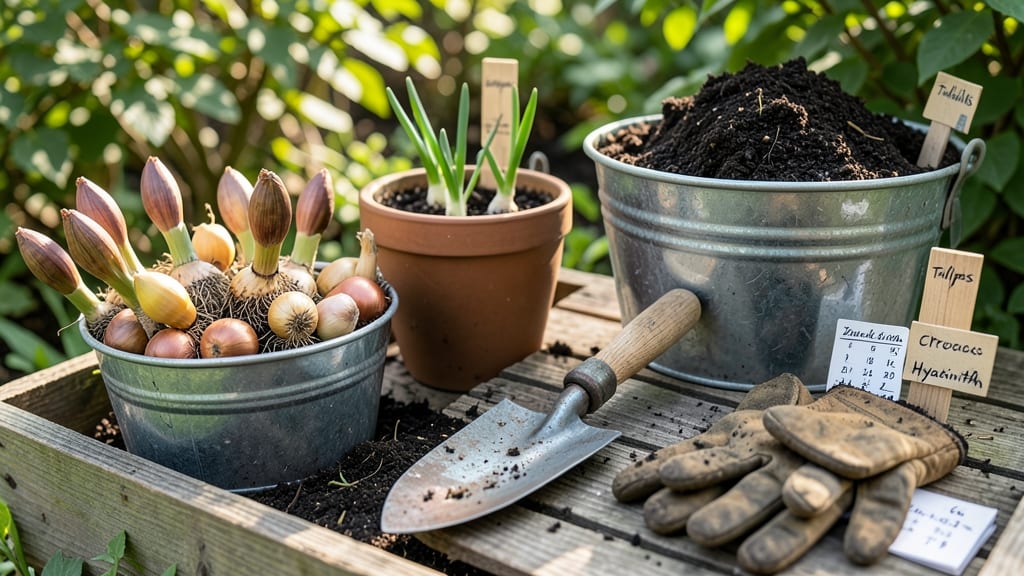
Timing your 🌷 bulbs planting in Zone 6a isn’t just about the calendar—it’s about outsmarting frost and giving those dormant roots the perfect head start. Plant too early, and you risk rot; too late, and your spring blooms might never make it above ground.
The secret lies in a 6-8 week window before the ground freezes, but getting it wrong can mean the difference between a garden bursting with color and a pile of wasted money.
Most gardeners in Zone 6a swear by fall planting—think October to November—when soil temperatures dip but haven’t yet locked up. This gives bulbs time to establish roots before winter’s chill sets in. But here’s the catch: not all bulbs play by the same rules.
Hardy varieties like daffodils and tulips thrive with this approach, while tender types need a different strategy. I’ll walk you through the exact months that work for your zone, plus how to adjust if Mother Nature throws a curveball.
What if you missed the fall window? Don’t panic—early spring planting (March to April) can still deliver stunning results, as long as you follow a few key steps. We’ll cover soil prep, depth tricks, and even how to tell if your bulbs are happy underground.
By the end, you’ll know exactly when to dig in for zero-frost survival and a garden that wows every spring.
The best part? These timing secrets work whether you’re a first-time planter or a seasoned pro. No more guessing games—just science-backed deadlines to ensure your 🌷 bulbs wake up ready to bloom. Let’s get those shovels in the ground the right way.
Zone 6A bulb planting timeline: month-by-month breakdown
In Zone 6A, timing your bulb planting correctly ensures they survive winter and bloom spectacularly next spring. The ideal window is narrow—just 6-8 weeks before the ground freezes, typically between mid-October and early November.
For spring-flowering bulbs like daffodils and tulips, early spring planting (March-April) is also an option, but fall is the gold standard.
Your first frost date in Zone 6A usually lands around October 15, but this can vary by 5-7 days depending on microclimates. To avoid frost damage, plant when soil temperatures drop to 50-60°F—this signals bulbs to enter dormancy naturally.
Use a soil thermometer if you're unsure, as cold soil can stunt root growth.
Here’s why fall planting works best: bulbs need time to establish roots before winter. If planted too late, they won’t anchor deeply enough and may heave out of the ground during freeze-thaw cycles.
Conversely, planting too early (like September) can encourage premature sprouting, leaving tender shoots vulnerable to early frosts.
| Month | Bulb Type | Planting Window | Soil Temp | Notes |
|---|---|---|---|---|
| September | Daffodils, Alliums | Early September (if mild) | 55-65°F | Risk of early sprouting; best for hardy varieties. |
| October | Tulips, Hyacinths, Crocus | Mid-October (ideal) | 50-60°F | Perfect window for most bulbs; roots establish before frost. |
| November | Late tulips, Snowdrops | Early November (last chance) | 45-50°F | Only for cold-hardy bulbs; risk of heaving increases. |
| March | Spring bulbs (tulips, daffodils) | Early March (after frost) | 40-50°F | Second-best option; requires consistent moisture. |
| April | Late spring bulbs | Mid-April (before blooming) | 50-60°F | Best for tender bulbs like gladiolus. |
For spring-planted bulbs, aim for March-April once the soil warms to 50°F and the threat of frost has passed. This method works well for tender bulbs like caladiums or canna lilies, which can’t tolerate winter freezing.
However, spring planting often yields smaller blooms compared to fall-planted bulbs, as they lack the root system established during dormancy.
Pro tip: Use mulch (2-3 inches of straw or shredded leaves) after planting to insulate bulbs from temperature swings. This is especially critical in Zone 6A, where winter temps can fluctuate wildly. Mulch also suppresses weeds, reducing competition for nutrients as bulbs wake up in spring.
If you miss the fall window, don’t panic—spring planting still works for many varieties. Just be prepared to water consistently and fertilize lightly once shoots appear.
The key is patience: bulbs planted in spring may take an extra year to bloom, but they’ll reward you with vibrant flowers in subsequent seasons.
For container gardening in Zone 6A, plant bulbs in well-draining pots and move them indoors before the first frost. This gives you flexibility to adjust planting times based on your indoor space’s conditions. Just ensure pots have drainage holes to prevent rot—a common issue when bulbs sit in soggy soil.
Remember: bulb depth matters. Plant them 6-8 inches deep (or 2-3 times the bulb’s height) for most varieties. Smaller bulbs (like crocus) can go shallower (3-4 inches), while larger ones (like tulips) need deeper planting.
Use a bulb planter or trowel to create neat holes and avoid damaging roots.
Finally, mark your planting dates on a calendar or use a garden journal to track success. Over time, you’ll notice patterns in your local microclimate—like whether your yard freezes earlier or later than the average Zone 6A date. Adjust your schedule accordingly to fine-tune your bulb garden’s success.
Critical factors that determine your planting window in Zone 6A
In Zone 6A, the first frost date (around October 15) and soil temperature (below 60°F) dictate your fall planting window. Most spring-flowering bulbs like tulips and daffodils need 6-8 weeks before the ground freezes to establish roots.
For fall-flowering bulbs (e.g., crocus), timing is less critical but still matters for early blooms.
Soil temperature is your golden rule: Aim for 50-60°F when planting. Use a soil thermometer to check—cool soil prevents rot while warm soil speeds root growth. Hardy bulbs (like alliums) tolerate colder soil, but tender bulbs (e.g., hyacinths) need warmer conditions to thrive.
Your local microclimate plays a role too. South-facing slopes warm faster, extending your window by 1-2 weeks compared to shaded areas. If your yard stays damp or cold, delay planting until soil dries out slightly—waterlogged soil causes bulbs to rot before they root.
🌱 Key Takeaways for Zone 6A Bulb Planting
- Soil temp: 50-60°F (use thermometer)
- Frost window: Plant 6-8 weeks before first frost
- Bulb type: Hardy bulbs (e.g., daffodils) tolerate cold; tender bulbs (e.g., hyacinths) need warmth
- Microclimate: South-facing areas = 2-week advantage
Adjust for early/late seasons by checking 30-year frost records for your area. If your fall is unusually warm, plant earlier (early September) to avoid pests or drought. Conversely, if frost comes early, shift to late November—just ensure bulbs root before ground freezes.
For spring planting, wait until soil warms above 50°F (typically March-April in Zone 6A).
Don’t overlook bulb size and depth: Larger bulbs (e.g., tulips) need 6-8 inches deep, while smaller ones (e.g., crocus) only require 3 inches.
Planting too shallow risks freeze damage; too deep delays blooming. Use a trowel to dig holes 2-3 times the bulb’s height for optimal results.
Finally, mulch after planting (with straw or leaves) to insulate bulbs and regulate soil temperature. This extends your window by 1-2 weeks in both fall and spring, giving bulbs a head start. Just remove mulch in early spring to prevent rot from excess moisture.