
Plants
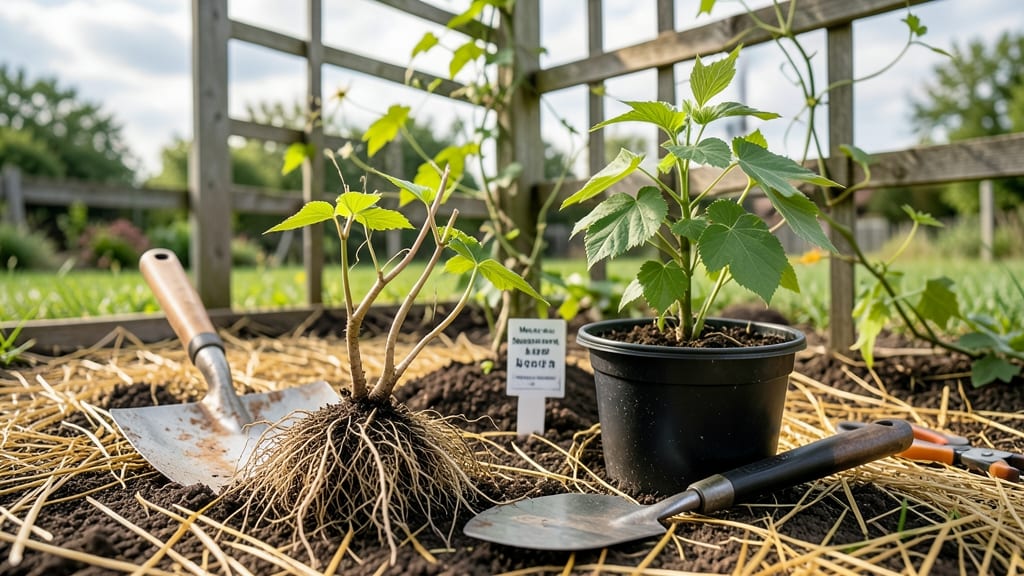
Timing your clematis planting in Colorado isn’t just about the calendar—it’s about dodging those sneaky late frosts that can turn your 🌸 into a sad, stunted vine before it even gets started.
With USDA Zones 5-7 throwing curveballs like April snow or May freezes, knowing the exact window to plant makes all the difference. Too early, and your roots freeze; too late, and you miss the sweet spot for summer blooms.
Let’s break down the perfect months—and why your elevation matters more than you think.
Most Colorado gardeners swear by planting in April or May, but there’s a catch: hardiness zone specifics, soil temps, and even whether your clematis is an early or late bloomer.
I’ll walk you through the step-by-step timing that’s worked for me in Zone 6, plus how to adjust for Zone 5’s extra frost risk.
Plus, we’ll tackle the fall planting debate—when it’s worth a shot and when you’re better off waiting. By the end, you’ll know exactly when to dig in for zero-frost survival and the biggest blooms next summer.
Best planting months for clematis in Colorado’s frost Zones 5-7
Colorado’s USDA Zones 5-7 create a tricky balance for clematis—too early, and frost zaps tender roots; too late, and summer heat stunts growth. The sweet spot is April to early May for most varieties, but timing shifts slightly based on your exact zone and elevation.
In Zone 5, wait until after the last frost (typically May 1), while Zones 6-7 can start as early as mid-April.
Soil temperature is your true guide, not just calendar dates. Clematis roots need consistent 45°F+ soil to thrive. Use a soil thermometer—if temps dip below this, delay planting.
High-altitude areas (like Denver or Boulder) may need to wait until late May due to lingering cold snaps. Early bloomers like ‘Jackmanii’ tolerate cooler temps better than late-season varieties.
Here’s how to align your planting with Colorado’s frost windows and microclimates:
For high-elevation gardens (e.g., Fort Collins or Steamboat Springs), shift planting 2–3 weeks later—even Zone 6 areas can experience frost into mid-May. Test your soil’s readiness by checking for active earthworms; their presence signals warm, plant-friendly conditions.
If you’re in a south-facing microclimate (like a sunny slope), you can plant 2 weeks earlier than the general guidelines. Conversely, valleys or shaded areas may need a 2-week delay due to slower soil warming.
Always pair planting with a support trellis—clematis vines grow 6–8 feet in one season and need sturdy anchors from day one.
Pro tip: Soak the root ball before planting to reduce transplant shock. Colorado’s dry winds can dry out roots quickly, so mulch heavily with straw or wood chips immediately after planting to retain moisture. This is especially critical in Zone 5, where summer drought can stress newly established vines.
For late bloomers (like ‘Henryi’), delay planting until mid-May to avoid early-season frost damage to emerging buds. These varieties prioritize root establishment over immediate flowering, so patience pays off with longer bloom seasons later in summer.
Remember: Clematis planted in fall (September) is riskier in Colorado—we’ll cover that in the next section—but spring planting rewards you with vigorous first-year growth if timed correctly. Mark your calendar for May 1 as your absolute deadline for Zone 5; after that, you’re gambling with summer heat stress.
How to extend clematis growing season in Colorado’s short spring
Colorado’s short growing season and late frosts can challenge clematis lovers—but with the right strategies, you can give your vines a head start. The key? Cold-hardy varieties, protective mulching, and smart microclimate choices. These tactics help your clematis establish roots earlier, ensuring vibrant blooms despite our unpredictable spring weather.
Start by selecting cold-tolerant clematis varieties like ‘Jackmanii’ or ‘Niobe’, which thrive in Zone 5 conditions. These varieties handle late spring frosts better than delicate hybrids, giving you a safety net if temperatures dip unexpectedly.
Pair them with south-facing slopes or walls to absorb and radiate warmth, creating a microclimate that mimics a longer growing season.
- ‘Jackmanii’: Thrives in Zone 5, blooms mid-summer, and tolerates 20°F dips.
- ‘Niobe’: Dark purple blooms, Zone 4 hardy, and resists powdery mildew.
- ‘Perle d’Azur’: Early bloomer with blue flowers, survives Zone 5 winters.
Layering mulch around your clematis is another game-changer. Use straw or wood chips (3–4 inches deep) to insulate roots and retain moisture. Apply mulch in early spring as soon as the ground thaws but before new growth appears.
This creates a thermal blanket that protects tender roots from soil temperature swings, which can be as damaging as frost itself.
If you’re planting after May 15, act fast to prevent transplant shock. Water deeply the day before planting, then soak the root ball for 10 minutes. Plant in a shaded spot for the first week to reduce stress, and avoid fertilizing until you see new growth.
A light shade cloth can also shield young vines from intense afternoon sun, which can scorch delicate leaves.
Watch for signs of frost stress, like curled leaves or brown tips. If temperatures drop below 32°F after planting, cover your clematis with a frost blanket or even an old sheet secured with bricks.
Remove it as soon as the sun returns to avoid heat buildup. With these adjustments, your clematis will outpace Colorado’s short spring and reward you with a stunning summer display.