
Plants
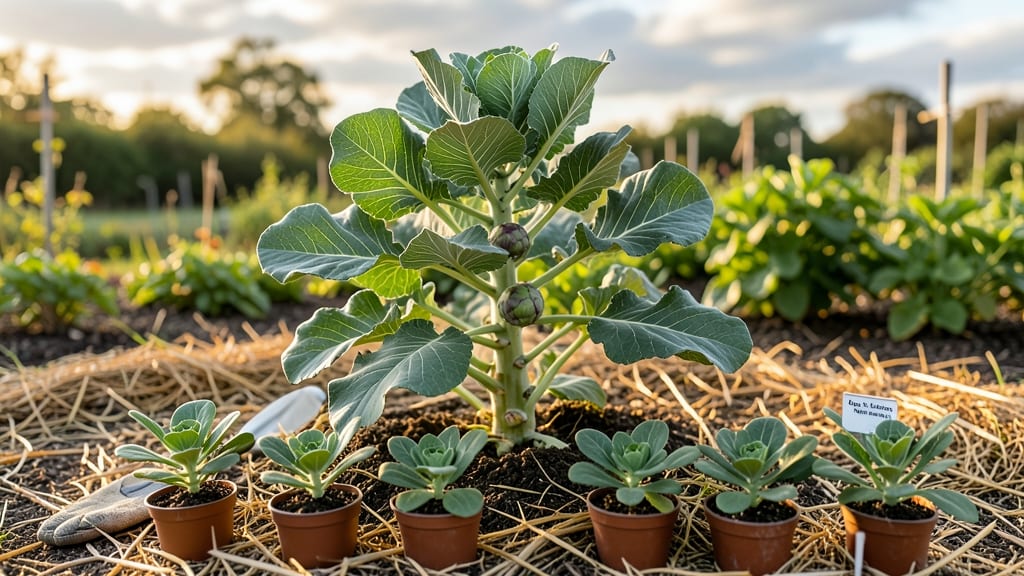
Planting Brussel sprouts 🥦 in Southern California might seem tricky—after all, they’re cool-season crops in a land of year-round sunshine. But timing is everything, and getting it wrong means either stunted plants or bolting before harvest.
The key? Coastal Santa Barbara and inland Riverside can’t agree on a single schedule, yet most gardeners use the same rules for both. Here’s how to pick the perfect window for your microclimate.
Most gardeners in USDA zones 9b-10a swear by fall planting, but coastal areas like San Diego can push harvests later than inland spots like Riverside. The secret lies in soil temperatures and daylight hours—both shift dramatically between the coast and desert-adjacent valleys.
Skip the guesswork and plant when your 🥦 sprouts actually have a fighting chance to thrive, not just survive.
Whether you’re direct-sowing seeds or transplanting seedlings, the September-November window is your golden opportunity. But inland gardeners? You’ve got a tighter margin before summer heat sends your plants into early retirement.
I’ll break down exactly when to start seeds, how to stretch your harvest, and why your neighbor’s success might not apply to your yard.
Ready to avoid the 3 most common mistakes that kill SoCal 🥦 harvests? Let’s dive into the calendar, soil prep, and pro tips that’ll have you enjoying homegrown Brussels from December through February—no matter where you garden in the Golden State.
Southern California Brussel sprout planting calendar: coastal vs inland heat zones
Southern California’s microclimates create a puzzle for Brussel sprout gardeners. Coastal zones like Santa Barbara and San Diego (USDA 10a) enjoy mild winters with rare frosts, while inland areas like Riverside and Bakersfield (USDA 9b) face cooler nights but hotter days.
These differences mean your planting window could shift by 6 weeks depending on location.
Brussels sprouts are cool-season crops that bolt (flower prematurely) when temperatures exceed 75°F. In SoCal, this means fall planting is ideal, but spring attempts require careful timing. Coastal gardeners can push harvests into January, while inland growers may need to start earlier to avoid summer heat.
Here’s the critical timeline for both zones, including soil temperature thresholds (45-55°F for germination) and daylength considerations. Use this as your planting compass to avoid common mistakes like overheating seedlings or stunted growth.
For coastal gardeners, the September-October window is your golden opportunity. Start seeds indoors in late August for transplanting by mid-September, or direct-sow seeds in early September. The Santa Barbara Botanic Garden recommends using black plastic mulch to warm soil faster in cooler coastal microclimates.
Inland growers should plant by mid-October to avoid November frosts (yes, they happen in Riverside!). Use row covers if nights dip below 40°F—Brussels sprouts can tolerate light frost but hate hard freezes. Pro tip: Succession plant every 2 weeks in September for a staggered harvest.
If you’re tempted to plant in spring, know this: March-April attempts in inland zones often bolt by May, while coastal plantings
5 Critical factors that ruin Brussel sprout planting (and how to fix them)
Planting Brussel sprouts in Southern California’s mild winters sounds simple, but one wrong move can turn your harvest into a flop. I’ve seen gardeners in Santa Barbara lose their entire crop by ignoring these 5 critical factors. Let’s fix them before you dig that first hole!
The biggest mistake is planting too early in coastal zones like Malibu or San Diego. While inland areas like Riverside can handle September sowing, coastal gardens often face unpredictable humidity that leads to disease. Timing is everything—especially when daylight hours shrink in November.
Soil temperature is another silent killer. Brussel sprouts need soil between 45°F–75°F to germinate properly. Inland areas can plant 1–2 weeks earlier than coastal zones because their warmer nights speed up growth. Use a soil thermometer—it’s a game-changer!
Planting Brussel sprouts in summer heat (above 80°F) causes bolting—they’ll flower and go bitter before you harvest. Even shade cloth won’t save them if you’re in Palm Springs or Bakersfield.
🔹 Fix: Stick to fall planting (Sept–Nov) or choose heat-tolerant varieties like 'Long Island Improved' if you must try spring.
Daylight hours play a sneaky role too. Brussel sprouts need 10+ hours of daylight to develop properly. In December, coastal areas like Santa Barbara get only 9–10 hours, which can stunt growth. Inland areas like Riverside fare better with longer daylight in early fall.
Another pitfall? Overcrowding. Most gardeners plant Brussel sprouts too close together (3–4 inches apart), leading to poor air circulation and fungal diseases. Space them 18–24 inches apart—trust me, your plants will thank you with bigger sprouts and fewer pests.
Finally, ignoring microclimates can ruin your harvest. A north-facing slope in Los Angeles might stay 5°F cooler than your backyard, while a south-facing bed in San Diego could bake your plants. Scout your garden in late afternoon—if it’s hotter than 85°F, reconsider that spot.