
Plants
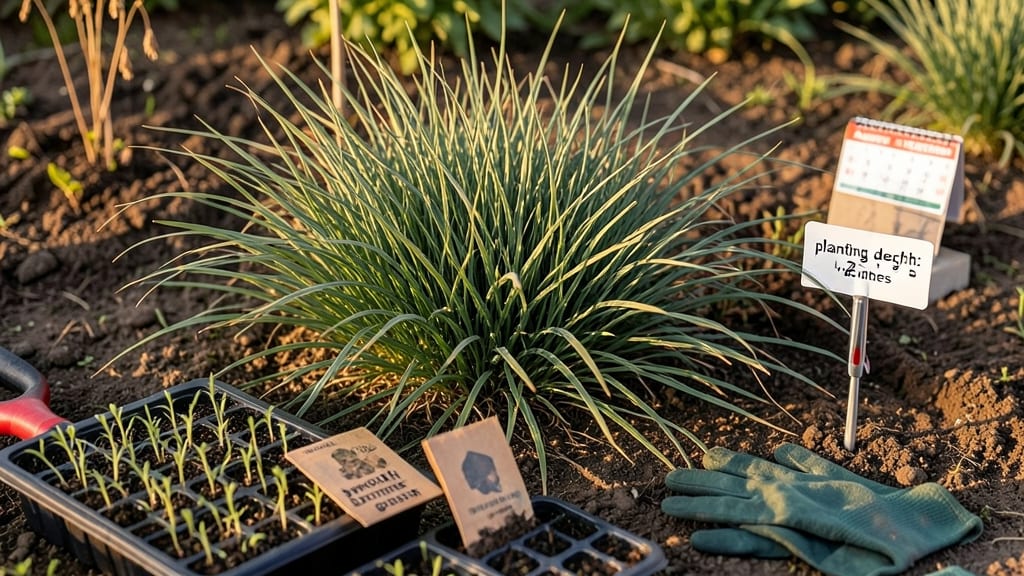
Planting brome grass in Kansas at the wrong time can leave you with patchy lawns or wasted seed—especially when summer heat or early frosts throw off your timing.
The key to a thick, drought-resistant lawn lies in those late summer to early fall months when soil temperatures drop and moisture lingers just enough for roots to take hold.
If you’ve ever stared at your calendar in August wondering, "Is this the right time to plant brome grass in Kansas?", you’re not alone. The answer depends on your specific USDA zone (like 5b-7a) and whether you’re in the wetter eastern plains or drier western regions.
Get this wrong, and you’ll spend next spring scrambling to fix thin spots—or worse, watching your investment dry up before it even starts.
Here’s the good news: with the right timing, brome grass 🌱 becomes one of the easiest grasses to grow in Kansas. We’ll break down exactly when to plant—whether you’re seeding in August for a fall establishment or waiting until September to avoid the worst of the heat.
Plus, I’ll share pro tips to prep your soil and choose the best variety for your yard’s challenges.
Skip the guesswork and learn how to plant brome grass for a lawn that stays green through droughts and recovers faster after Kansas’ brutal winters. Let’s get started.
Optimal planting windows for brome grass in Kansas by climate zone
Kansas’ five distinct climate zones create unique challenges for planting brome grass. Whether you're in the drier western plains or the humid eastern regions, timing your planting ensures strong root establishment before winter.
The ideal window spans from late summer to early fall, but exact dates vary by zone.
For western Kansas (USDA zones 5b-6a), where drought and high winds are common, aim for mid-August to early September. This gives seeds time to germinate before fall frosts hit in mid-October.
In contrast, eastern Kansas (zones 6b-7a) can plant slightly later—late August to mid-September—thanks to milder autumns.
Central Kansas (zones 6a-6b) straddles both extremes, so early to mid-September is safest. Southern Kansas (zone 7a) can extend planting to early October, while northern Kansas (zone 5b) should finish by mid-September to avoid early frosts.
Soil temperature is your best guide: wait until it drops below 80°F (measured 4 inches deep). Use a soil thermometer to check—this typically aligns with the dates above but adjusts for unpredictable Kansas weather.
Pro Tip: Plant in cool, overcast days to reduce stress on young seedlings. Morning planting is ideal to allow seeds to absorb moisture before afternoon heat.
If you miss the fall window, consider spring overseeding in early April, but expect slower establishment due to summer heat stress. For pasture or erosion control, some gardeners plant in late spring (May), but this requires extra watering to survive Kansas’ brutal summers.
Always check your local Kansas State University Extension office for microclimate adjustments. For example, Wichita’s urban heat island may delay planting by a week compared to rural areas.
For best results, pair planting with light mulching (straw or grass clippings) to retain moisture and protect seeds from late-summer heat or fall winds. 🌱
Signs your Kansas soil is ready for brome grass planting (and when to wait)
Kansas’ variable spring temperatures and drought-prone conditions mean waiting for the right soil cues is critical before planting brome grass. The ideal window opens when soil temperatures dip below 80°F—usually late August to early September—but other factors like moisture and organic matter play a role too.
Skipping these checks often leads to poor germination or wasted seed.
First, test your soil’s moisture level by grabbing a handful. If it crumbles slightly when dry but holds shape when squeezed, it’s ready. Dry, powdery soil needs irrigation, while muddy clumps signal overwatering—both can delay planting. Kansas’ western regions often need extra attention here due to lower rainfall.
Next, check soil temperature with a soil thermometer (aim for 50–60°F). Morning readings are most accurate. If your thermometer shows above 70°F, wait a week or two—hot soil can burn seeds or trigger early dormancy.
Eastern Kansas may hit this range earlier than the west, so adjust timing accordingly.
🌱Pro Tip: Use a soil pH test kit (ideal range: 6.0–7.5). Kansas’ calcareous soils often skew alkaline; amend with sulfur or peat moss if needed. Brome grass tolerates a wide range but thrives at 6.5 pH.
Warning: Planting Too Early or Late
- Too Early: Seeds may rot in cool, wet soil (common in April–May).
- Too Late: Frost risks (after October 15) can kill young shoots.
- Kansas Exception: Western Kansas can plant 2 weeks later due to drier heat.
Finally, loosen the top 4–6 inches of soil with a garden fork to improve aeration. Remove rocks or debris, which can block seed-to-soil contact. In compacted clay soils (common in southeastern Kansascompost or sand to boost drainage.
Once your soil passes these tests, act quickly—brome grass seeds germinate best when planted within 48 hours of ideal conditions. Mark your calendar for late August (eastern KS) or early September (western KS) to align with Kansas’ cool-season planting window.
💧Watering Prep: Irrigate lightly 24 hours before planting to settle soil. After seeding, keep the area consistently moist (not soggy) until germination (10–21 days). Use a light mulch (straw, not wood chips) to retain moisture in Kansas’ windy conditions.