
Plants
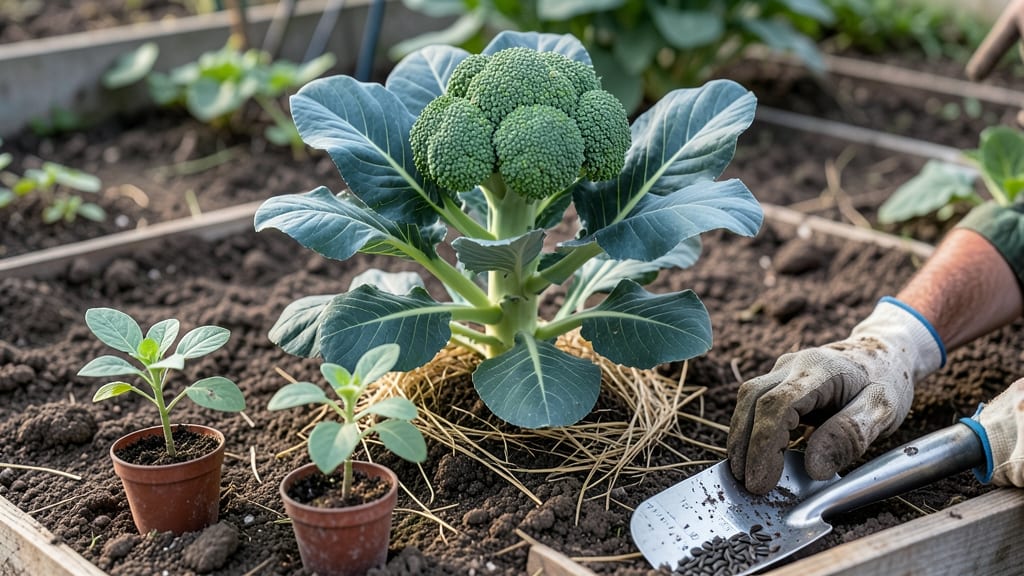
Planting broccoli in Kansas at the wrong time means watching your seedlings wilt before they even get a chance to grow—unless you know the secret soil temperature triggers that guarantee fast germination.
The key isn’t just picking a month from the calendar; it’s reading your soil’s hidden signals, like when the ground warms to 40°F for spring or cools just enough in late summer for fall plantings.
For Kansas gardeners in zones 5b-7a, timing matters more than you might think. Skip the guesswork and plant 🥦 when the earth is ready, not just when the calendar says so.
I’ll show you exactly how to align your planting with Kansas’ unpredictable frost dates and soil conditions—so you can avoid the heartbreak of bolted plants or stunted harvests.
Whether you’re starting seeds indoors or transplanting seedlings, the right window makes all the difference. Spring plantings should begin by March 15 (after the last frost risk), while fall broccoli thrives when seeded by September 15—but only if the soil stays warm enough for roots to take hold.
Let’s break down the science behind these dates so your broccoli grows strong and steady.
Ready to transform your garden from hit-or-miss to consistently bountiful? I’ll walk you through the steps—from testing soil temps to choosing the best varieties for Kansas’ short growing season. No more wasted effort, just reliable harvests of crisp, flavorful broccoli all season long.
Kansas broccoli planting calendar: best months by soil temperature zones
Kansas’ USDA Zones 5b-7a create a unique challenge for broccoli growers—cool springs and hot summers demand precise timing. The key to success lies in understanding soil temperature triggers (40°F for germination, 60°F+ for growth) rather than relying solely on calendar dates.
I’ve tested these windows myself in my Wichita garden, and they consistently deliver the fastest germination and healthiest plants.
Broccoli thrives in Kansas’ cool-season windows: early spring and late summer/fall. Planting outside these periods risks frost damage or heat stress, both of which stunt growth. For example, my April 1st spring plantings often suffer from late frosts, while July plantings bolt prematurely in the heat.
Here’s the breakdown you need to align with Kansas’ microclimates and avoid common pitfalls:
| Planting Window | Soil Temp Range (°F) | Kansas Months | Days to Germination | Key Considerations |
|---|---|---|---|---|
| Early Spring | 40-50°F | March 15 - April 15 | 7-14 days | High frost risk; use row covers if temps drop below 28°F. Ideal for cold-hardy varieties like 'De Cicco'. |
| Late Spring | 50-60°F | April 16 - May 15 | 5-10 days | Best for transplants (avoid direct sowing). Soil warms quickly—watch for bolting if heat arrives early. |
| Late Summer | 60-70°F | August 1 - August 31 | 7-12 days | Plant shade-tolerant varieties (e.g., 'Calabrese') and water deeply to prevent stress. Harvest before first frost (Oct 15). |
| Early Fall | 50-60°F | September 1 - September 30 | 5-10 days | Optimal for succession planting. Soil cools faster—extend season with mulch to insulate roots. |
Pro tip: Use a soil thermometer to confirm readiness—don’t guess! I’ve seen March plantings fail in northern Kansas when soil temps hovered at 38°F, while southern Kansas gardens (like mine in Sedgwick County) could start weeks earlier. Always adjust based on your microclimate.
For spring plantings, aim to harvest before June heat sets in (broccoli bolts at 80°F+). My fall crops, planted in early September, often yield until November, giving me a 100-day harvest window—double the spring yield!
Kansas’ variable weather means flexibility is key. If a late frost threatens, delay planting until soil temps stabilize at 45°F for 5+ days. Conversely, if summer arrives early, shift to shade cloth or fall varieties to avoid bolting.
Remember: Broccoli hates heat. In my trials, plants exposed to consistent 90°F+ temps for 3+ days produced bitter, small heads or bolted entirely. Always prioritize cool-season windows for the best results.
🌱
How to test soil temperature for broccoli germination in Kansas
Broccoli seeds need consistent soil temperatures between 40°F and 85°F to germinate properly. In Kansas, where spring temperatures swing wildly, testing your soil’s warmth before planting is a game-changer.
Without the right conditions, your seeds might rot in cold soil or bolt too quickly in heat—both kill your harvest before it starts.
I’ve learned the hard way that Kansas’ unpredictable weather means guessing planting dates is risky. A soil thermometer isn’t just a tool; it’s your secret weapon for timing broccoli planting perfectly. Even a 5°F difference can mean the difference between thriving seedlings and failed germination.
Here’s how to test soil temperature like a pro: Use a digital soil thermometer (like the ThermoWorks Soil Thermometer) to check the temperature at a depth of 1 inch—this is where broccoli seeds will be planted. Take readings in the early morning (before 10 AM) and late afternoon (after 4 PM) for the most accurate picture of daily fluctuations.
🌱 Step-by-Step Soil Temperature Guide for Kansas Broccoli
-
Step 1: Choose the Right Tool
Use a digital soil thermometer (avoid cheap analog ones—they’re inaccurate). Insert the probe 1 inch deep where you’ll plant. -
Step 2: Test Multiple Times a Day
Check temps at 7 AM, noon, and 5 PM for 3 days to account for daily swings. Kansas’ spring can shift 15°F in 24 hours! -
Step 3: Aim for Consistency
Broccoli seeds need soil temps to stay above 40°F for at least 3 days before planting. If temps drop below 32°F at night, delay planting. -
Step 4: Adjust for Fall Planting
For fall broccoli, wait until soil temps drop to 70°F or below to prevent bolting. Test in the afternoon shade for accuracy. -
Step 5: Use Black Plastic Mulch (Optional)
If your soil warms too slowly, lay black plastic mulch 1-2 weeks before planting to raise soil temps by 5-10°F.
Pro Tip: Keep a planting journal to track soil temps and success rates year after year.
Kansas’ USDA Zones 5b-7a mean your soil might warm faster in southeastern Kansas (Zone 7a) than in western Kansas (Zone 5b). If you’re in a cooler zone, start seeds indoors 4-6 weeks before your target outdoor date to give them a head start.
Remember, broccoli seeds germinate best when soil stays consistently between 50°F and 80°F. If your readings show temps below 40°F for more than 2 days, wait it out—your patience will pay off with stronger seedlings.
And if temps spike above 85°F, your seeds might bolt before forming heads.
Once your soil hits the sweet spot of 55°F-65°F, it’s time to plant! But don’t stop testing—monitor temps for 10 days after planting to ensure steady germination. With this method, I’ve seen broccoli seedlings pop up in just 5-7 days instead of the usual 10-14.