
Plants
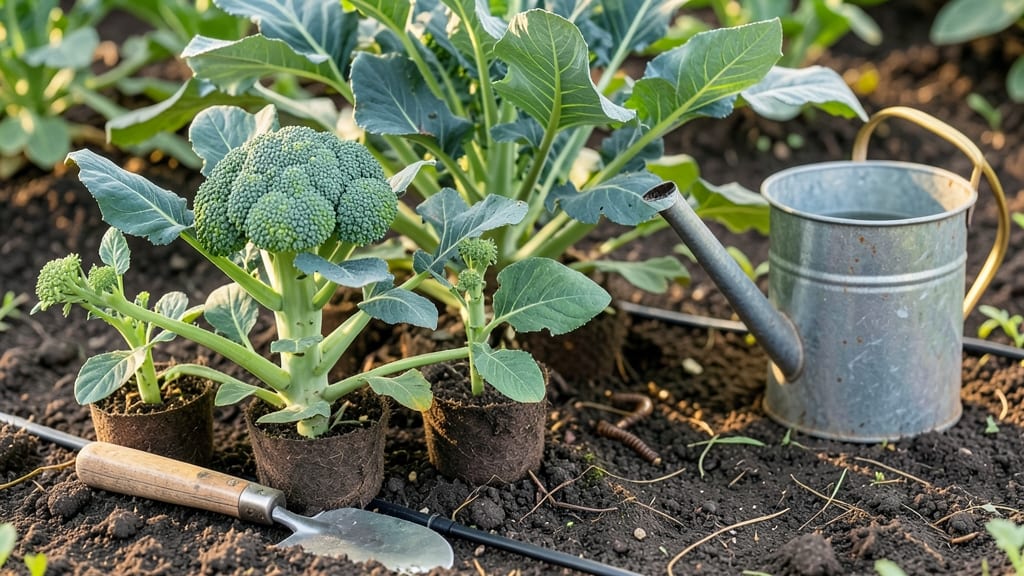
Timing your broccoli 🥦 planting in Arizona isn't just about the calendar—it's about outsmarting the desert heat to grow thriving plants instead of wilted disappointment. With the right schedule, you can enjoy fresh, homegrown broccoli even in the middle of winter when most gardens are dormant.
The key to success lies in planting during Arizona's cooler months, specifically between October and November for a fall crop, and again in February and March for spring harvests.
These windows give your broccoli the perfect balance of temperatures it craves—between 60-75°F—while avoiding the brutal summer sun that can turn your plants into crispy snacks.
But here's where most gardeners go wrong: they assume all broccoli is created equal. In Arizona's 9b climate zone, you need heat-resistant varieties that can handle occasional warm spells without bolting or turning bitter.
I'll show you which varieties actually thrive here and how to protect your plants from the desert's whims.
Ready to grow broccoli that actually survives Arizona's challenges? Let's dive into the exact planting schedule, variety recommendations, and pro tips that will have you harvesting December through June—plus how to extend your growing season even further with simple tricks.
Best months to plant broccoli in Arizona by climate zone
Arizona’s diverse climate zones—from the scorching Low Desert to the cooler High Desert—create unique challenges for growing broccoli. Unlike temperate climates, Arizona’s 100°F+ summers make timing critical. Plant too early, and your broccoli bolts; too late, and it struggles with winter frosts.
The key? Fall and early spring plantings when soil temps stay between 60-75°F—broccoli’s sweet spot.
Low Desert regions (Phoenix, Tucson) have fewer frost risks but longer heat exposure, while High Desert areas (Flagstaff, Sedona) face earlier frosts but cooler summers. Each zone demands a tailored approach.
For example, Phoenix gardeners can start seeds in September, while Flagstaff growers wait until late August to avoid heat stress. Let’s break down the exact planting windows for each zone, plus soil prep secrets to maximize success.
| Climate Zone | Best Planting Window | Soil Temp Requirement | Frost Risk | Harvest Window |
|---|---|---|---|---|
| Low Desert (Phoenix, Tucson) | Late September–October (fall) or February–March (spring) | 60–75°F (avoid >80°F) | Low (rare frost) | December–April (fall) or April–June (spring) |
| Mid Desert (Prescott, Mesa) | Mid–August (direct sow) or October–November (transplants) | 55–70°F (cooler nights help) | Moderate (light frosts possible) | November–March (fall) or March–May (spring) |
| High Desert (Flagstaff, Sedona) | July–August (direct sow) or September–October (transplants) | 50–65°F (cool nights ideal) | High (frosts common) | October–February (fall) or April–June (spring) |
Soil temperature is your broccoli’s thermostat—too hot or cold, and growth stalls. Use a soil thermometer to confirm temps before planting. In Low Desert areas, aim for 60–75°F; in High Desert, 50–65°F is ideal. Pro tip: Mulch with straw to keep roots cool during Arizona’s 110°F+ days—this buys you 2–3 extra weeks of growing time in fall plantings.
Frost is another wild card.
While Phoenix rarely sees frost, Flagstaff can drop to 20°F by December. Hardy varieties like ‘Waltham 29’ tolerate light frosts, but young seedlings (under 4 weeks) will crisp. Solution? Start seeds indoors 6–8 weeks before your zone’s first frost date (check the AZMET frost map) and transplant after soil temps stabilize above 50°F.
Direct sowing vs. transplants also matters. In Low Desert, direct-sow seeds in September to avoid transplant shock from summer heat. In High Desert, transplants in October give them a head start before winter. For spring plantings, wait until February in Low Desert or March in High Desert—earlier starts risk bolting (premature flowering) from Arizona’s lengthening daylight.
Watering strategy is non-negotiable. Broccoli needs 1–2 inches of water weekly, but Arizona’s evaporation rates mean you’ll need to water every 2–3 days in summer. Drip irrigation is your best friend—it delivers water directly to roots and reduces fungal risks from overhead sprinklers. Pair this with 2–3 inches of organic mulch (straw or wood chips) to lock in moisture and keep soil temps stable.
Finally, shade cloth (30–50%) can be a game-changer for spring plantings in Low Desert. Stretch it over seedlings during midday heat (11 AM–3 PM) to prevent heat stress.
Best months to plant broccoli in Arizona by climate zone
Arizona’s diverse climate zones—from the scorching Low Desert to the cooler High Desert—create distinct windows for planting broccoli. Unlike temperate climates, Arizona’s fall and winter months offer the ideal 60-75°F temperature range broccoli craves.
Miss this window, and you’ll battle bolting (premature flowering) or stunted growth from summer heat.
Timing depends on your USDA Zone (9b-10a) and elevation. Low Desert areas (Phoenix, Tucson) have shorter frost-free seasons, while High Desert (Flagstaff) enjoys longer cool periods. Plant too early, and frost zaps seedlings; too late, and extreme heat turns your broccoli into a sad, bitter mess.
🌱 Key Takeaway: Arizona’s best planting months are October-November (fall crop) and February-March (spring crop). These windows balance cool soil temps and avoid summer’s 100°F+ furnace.
| Climate Zone | Ideal Planting Window | Soil Temp Requirement | Frost Risk | Harvest Window |
|---|---|---|---|---|
| Low Desert (Phoenix, Tucson) | Oct 15–Nov 15, Feb 1–Mar 15 | 55–70°F | Low (rare frost) | Dec–Mar, Apr–May |
| Mid Desert (Prescott, Sedona) | Sep 20–Nov 1, Feb 15–Mar 30 | 50–65°F | Moderate (light frost possible) | Nov–Feb, May–Jun |
| High Desert (Flagstaff, Show Low) | Aug 20–Oct 1, Mar 1–Apr 15 | 45–60°F | High (frost likely) | Oct–Jan, Jun–Jul |
✅ Pro Tip: Use a soil thermometer to confirm temps are 55°F+ before planting.
For Low Desert gardeners, October is critical—plant by mid-November, or broccoli bolts before winter. High Desert growers can push it to early August, but shade cloth (30-50%) is a must to protect seedlings from intense afternoon sun.
If you’re in Zone 9b, aim for soil temps below 80°F—any hotter, and your broccoli will stress out and produce tiny, bitter heads.
Direct sowing works best in Arizona’s cool seasons, but you can start seeds indoors 4–6 weeks before your zone’s first frost date (use grow lights if natural light is weak). Transplant seedlings at 4–6 inches tall, spacing them 18–24 inches apart to allow airflow and reduce disease risk (like downy mildew, which loves Arizona’s humidity spikes).
Avoid summer plantings—unless you’re growing heat-tolerant varieties (we’ll cover those next!). Even then, shade structures or drip irrigation are non-negotiable. Bolting (when broccoli flowers prematurely) is your worst enemy, and high temps trigger it faster than a roadrunner on espresso.
Final Tip: Mark your calendar for January 15—that’s when spring planting prep starts. Amend soil with compost (broccoli is a heavy feeder), and mulch heavily to retain moisture. With these zone-specific timelines, you’ll go from seed to salad like a pro—no wilted disappointment here! 🌿