
Plants
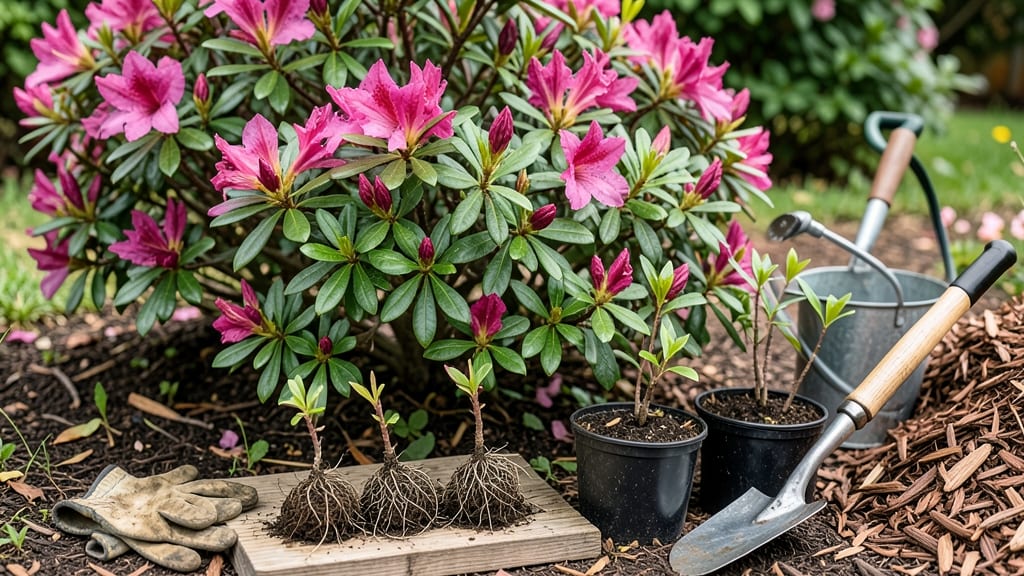
Timing is everything when you're planting azaleas in Texas—get it wrong, and your 🌸 vibrant blooms might never show up. The key isn't just picking a season but aligning with your region's frost-free deadlines, whether you're in chilly North Texas or balmy South Texas.
Most gardeners swear by fall planting, but Texas's 8a-10a zones throw a wrench into that plan. In North Texas, you've got until December 1 to get azaleas in the ground before freezes hit, while South Texas gardeners can plant well into January.
The trick? Choose heat-resistant varieties that won't wilt under 100°F+ summers.
I've tested the best strategies for Texas azaleas, from soil prep to shade placement, so you don't end up with scorched leaves or winter-killed roots. Whether you're a first-timer or a seasoned gardener, these insights will help you plant with confidence—no more guessing games.
Ready to transform your yard into a year-round azalea paradise? Let's break down the exact windows, varieties, and care tips that work in Texas's brutal climate—so you can enjoy those stunning blooms for decades to come.
Best planting windows for azaleas in Texas regions
Timing is everything when planting azaleas in Texas, where 100-degree summers and unpredictable freezes can make or break your shrubs. Unlike cooler climates, Texas gardeners must work around heat stress and late frosts—not just the first frost.
The key? Planting in early fall or late winter when roots establish before extreme weather hits.
Texas spans three distinct USDA zones: North (Zone 8a), Central (Zones 8b-9a), and South (Zones 9b-10a). Each zone has its own frost-free window, meaning your North Texas azaleas need a different schedule than those in Houston or San Antonio.
For example, North Texas’s last frost averages March 15, while South Texas rarely sees frost after January 15.
Here’s the golden rule: Plant azaleas 4-6 weeks before your average first frost to give roots time to anchor. In North Texas, that’s October 15–November 15 for fall planting.
In South Texas, you can extend planting into early December or even January—but avoid late winter if your area experiences unexpected cold snaps.
Spring planting is riskier in Texas because summer heat arrives fast. Aim for February–early March in North Texas and late February–March in Central/South Texas. Planting after March 15 risks heat shock, where young roots struggle to adapt to 100°F+ soil temperatures.
| Region | USDA Zone | Fall Planting Window | Spring Planting Window | Last Frost Date |
|---|---|---|---|---|
| North Texas | 8a | October 15–November 15 | February 1–March 15 | March 15 |
| Central Texas | 8b-9a | October 1–December 1 | February 15–March 30 | February 15 |
| South Texas | 9b-10a | October 15–January 15 | February 20–April 15 | January 15 |
📅 Pro Tip: Check your local Cooperative Extension for microclimate adjustments (e.g., urban areas may frost 1-2 weeks later than rural zones).
For container-grown azaleas, you have slightly more flexibility—plant anytime except during peak summer heat (June–August). Containers dry out faster and struggle with temperature extremes, so fall or early spring remains ideal. If you must plant in summer, choose shaded spots and water deeply every 2–3 days.
Another critical factor is soil temperature. Azalea roots prefer 60–70°F soil. In Texas, soil heats up quickly—by 10 AM in June, it can hit 90°F+.
Use a soil thermometer to confirm conditions before planting. If soil is above 80°F, wait until fall or plant in shaded, raised beds with mulch.
Don’t overlook acidic soil preparation. Texas native soil is often alkaline (pH 7.5–8.5), but azaleas thrive in pH 4.5–6.0. Amend your soil with peat moss or sulfur 4–6 weeks before planting.
In North Texas, where clay soil dominates, consider raised beds for better drainage and pH control.
Finally, mulch heavily after planting to retain moisture and regulate soil temperature. Use 3–4 inches of pine bark mulch (which also lowers pH slightly). Avoid grass clippings—they raise soil pH and attract pests. In South Texas, where drought is common, mulch helps reduce watering needs by 30–50%.
Heat-resistant azalea varieties that thrive in Texas heat
Texas’s sweltering summers can fry delicate azaleas, but the right heat-resistant varieties bloom beautifully despite the 90°F+ temperatures. These cultivars thrive with less water and more sun tolerance than traditional types. My top picks survive Texas’s Zone 8a-10a climate while still delivering stunning spring blooms.
For North Texas gardeners (Zone 8a), look for varieties like 'George L. Taber', a drought-tolerant hybrid with pink flowers that handles brief dry spells. In Central and South Texas (Zones 9a-10a), 'Coral Bells' and 'Southern Indica' dominate with their deep roots and heat-adapted foliage.
These aren’t just survivors—they’re showstoppers.
Here’s how these varieties stack up for Texas heat resilience, water needs, and maintenance ease:
'Southern Indica' leads in drought resistance, making it ideal for South Texas landscapes where water restrictions are common. Its dark green leaves and white flowers contrast beautifully with bluebonnets in spring. Meanwhile, 'Caddo' handles full sun better than most, with red blooms that last 3-4 weeks longer than average.
To maximize success, pair these varieties with mulch (3-4 inches) to retain moisture and drip irrigation for deep, infrequent watering. Avoid overhead sprinklers, which can scorch leaves in 100°F+ heat.
My George L. Taber azalea thrives with weekly deep watering and morning sun only, proving that even Texas summers can’t stop stunning blooms.
For container gardening, opt for 'Dwarf Fondant'—its compact size (3 ft tall) and pink flowers make it perfect for patios or balconies. Just ensure pots have drainage holes and use acidic potting mix (pH 4.5-5.5).
With the right variety, your azaleas will outperform expectations in Texas’s brutal climate.