
Plants
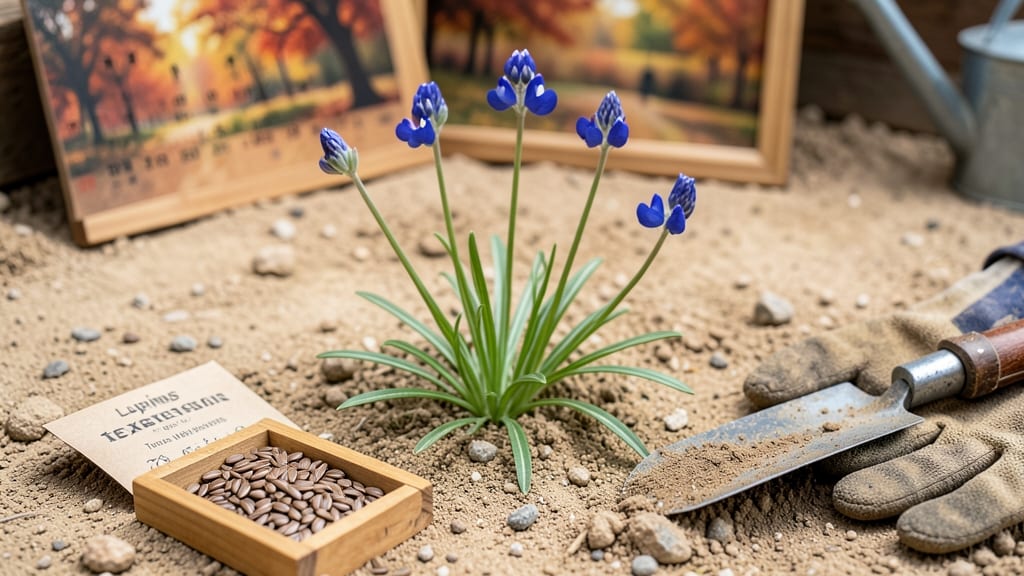
If you've ever driven through Central Texas in spring and marveled at those stunning bluebonnet carpets, you know when to plant bluebonnet seeds in central Texas is everything for those vibrant blooms. Planting too early or too late can leave you with weak growth—or worse, no flowers at all.
The key to success lies in matching your seeds to Central Texas's chill-hour requirements, which typically range from 600 to 1,000 hours of cool temperatures. This means waiting until late September through November, when the weather starts to cool but hasn't frozen yet.
I'll walk you through the exact planting window for your region, whether you're in Austin, Waco, or San Antonio, and share the simple steps to prepare your soil and seeds for maximum germination. With the right timing, you'll be well on your way to a breathtaking spring display.
Let's dive into the best practices for planting bluebonnet seeds so you can enjoy those iconic blue blooms year after year.
Central Texas chill-hour zones and bluebonnet seed planting windows
Central Texas’s unique chill-hour requirements determine when bluebonnet seeds (Lupinus texensis) will thrive. These cool-season plants need 600-1,000 chill hours (temperatures between 32°F and 45°F) to trigger spring blooms.
Plant too early, and seeds may rot; too late, and they won’t get enough cold exposure for robust growth.
Your exact location in Central Texas matters—Austin’s higher elevations accumulate chill hours faster than San Antonio’s lower desert edges. For example, Austin typically hits 800 chill hours by mid-November, while San Antonio may need to wait until early December.
Understanding these microclimates ensures your seeds germinate at the right time for vibrant spring displays.
Here’s how to match your region’s chill-hour accumulation to the optimal planting window of late September through November. This 6-week window balances soil moisture, temperature drops, and frost risk to maximize germination rates and flower production.
🌱 Central Texas Bluebonnet Planting by Chill-Hour Zone
| Region | Avg. Chill Hours | Optimal Planting Window | Soil Temp Threshold | Key Notes |
|---|---|---|---|---|
| Austin Area | 800-1,000 hours | Late Sept - Early Nov | 60-70°F (soil) | Higher elevations accumulate chill faster; plant by Oct 15 for best results. |
| Waco Area | 700-900 hours | Early Oct - Mid-Nov | 65-75°F (soil) | Moderate chill; avoid planting after Nov 1 unless soil stays warm. |
| San Antonio Area | 600-800 hours | Mid-Oct - Early Dec | 70-80°F (soil) | Lower desert edges; extend window to Dec 1 if temps stay mild. |
| Hill Country | 900-1,100 hours | Late Sept - Late Oct | 55-65°F (soil) | Cooler microclimates; plant by Oct 31 to avoid frost damage. |
If you’re unsure about your local chill-hour accumulation, check the Texas A&M AgriLife Extension website or use a chill-hour calculator for your ZIP code. For most Central Texas gardeners, October is the sweet spot—balancing warm soil for germination with cool nights to satisfy chill-hour needs.
For example, in Austin (USDA Zone 8a), planting between October 1-15 ensures seeds receive enough chill hours by winter while avoiding early frosts. In contrast, San Antonio (Zone 8b) can extend planting until November 1 due to its warmer microclimate.
Always aim to plant 4-6 weeks before your area’s first frost date.
Another critical factor is soil temperature. Bluebonnet seeds need soil temps between 60°F and 75°F to germinate. If you plant too early (e.g., August or early September), the soil may still be too hot, causing seeds to dry out.
Conversely, planting too late (e.g., December) risks seeds not getting enough chill hours before spring warmth triggers growth.
To test your soil temperature, bury a soil thermometer 1 inch deep for 24 hours. If it reads below 60°F, wait a week or two before planting. In Central Texas, soil temps typically drop to the ideal range by mid-October, making it the safest time for most regions.
Remember, bluebonnets are perennials in Central Texas, meaning they’ll return year after year if planted correctly. The first year’s blooms may be modest, but with proper timing and care, you’ll see stunning blue carpets in subsequent springs.
Start with a small test patch to refine your timing before committing to large areas.
For gardeners in urban areas like Austin or San Antonio, consider planting near south-facing walls or fences to create microclimates with slightly warmer soil. This can extend your planting window by 1-2 weeks in cooler years. Just monitor soil moisture closely in these spots, as they can dry out faster.
Central Texas chill-hour zones and bluebonnet seed planting windows
Bluebonnets (Lupinus texensis) thrive in Central Texas because they’ve evolved to match the region’s 600–1,000 chill hours—a critical cold exposure window that triggers spring blooming. Without enough chill hours, your seeds may sprout but produce weak or no flowers.
The good news? Central Texas’s USDA Zones 8a–9a provide the perfect chill-hour range when planted at the right time.
Your planting window hinges on local chill-hour accumulation. Austin typically hits 600 chill hours by mid-October, while Waco and San Antonio lag slightly, reaching that threshold by late October or early November.
Planting too early (before 500 chill hours) risks germination before winter, while waiting too late (after 1,000 chill hours) may delay blooms until late spring.
| Region | Chill-Hour Range | Optimal Planting Window | Temperature Threshold |
|---|---|---|---|
| Austin | 600–900 hours | Late September–October 15 | 50–65°F nights |
| Waco | 700–1,000 hours | October 1–November 10 | 45–60°F nights |
| San Antonio | 650–950 hours | October 10–November 1 | 55–68°F nights |
For reliable blooms, aim to plant when your region’s average nighttime temperatures drop to 60°F or lower. Use a chill-hour tracker (like the Texas A&M AgriLife Extension tool) to monitor progress.
Pro tip: Late October is the safest bet for most Central Texas gardeners—it balances chill-hour accumulation with frost risk.
Bluebonnets need 6–8 weeks of consistent cold (32–45°F) to set flower buds. If you plant in November, prioritize areas with partial winter sun exposure to prevent seedling stress. Conversely, September plantings in Austin may germinate too early, leaving seedlings vulnerable to October heat waves.
Soil temperature also matters: seeds won’t germinate until the ground cools to 60°F or below. Test your soil with a thermometer—if it’s above 70°F, wait a week or two. Mulch lightly after planting to stabilize temperatures and retain moisture during fall’s erratic rains.
Remember, bluebonnets are wildflowers, not annuals—once established, they’ll self-seed for years. But timing your initial planting ensures your first spring display is lush and vibrant, not sparse. Aim for 1,000–1,200 chill hours total before blooming season for the best results.