
Plants
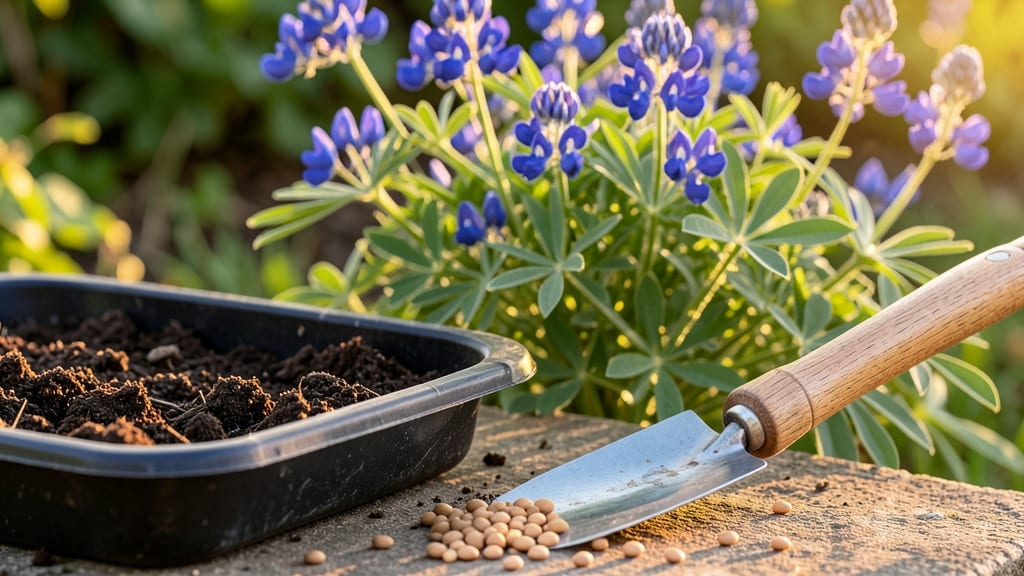
Planting bluebonnet seeds at the wrong time in Austin means missing out on the iconic blue carpets that blanket Texas highways every spring. The perfect window—late September through October—aligns with Austin’s 8a-9a climate, giving seeds time to establish roots before winter’s chill.
Why does timing matter so much? Bluebonnets 🌸 need cold dormancy to break dormancy and bloom, but they also hate soggy soil. Plant too early, and seeds may rot; too late, and they won’t germinate before spring.
The key? Cool fall nights and moderate rainfall create ideal conditions for those tiny seeds to take hold.
I’ve learned the hard way—skipping this window leads to sparse blooms or none at all. But with the right approach, you’ll get lush, vibrant patches that turn your yard into a postcard-worthy display. Let’s break down exactly how to nail the timing, soil prep, and care for show-stopping results.
From choosing the right variety to avoiding common pitfalls, this guide will help you transform your Austin landscape into a bluebonnet paradise. Ready to start? The clock’s ticking—fall won’t wait!
Best planting window for Austin bluebonnet seeds (with climate zones explained)
Austin’s fall planting window for bluebonnets—typically late September through October—is your golden opportunity to ensure vibrant spring blooms. This timing aligns perfectly with Austin’s USDA Zone 8a-9a climate, where cool winter temperatures trigger dormancy and spring germination.
Planting too early risks premature sprouting before frost, while late planting may delay blooms until after peak season.
The key is to sow seeds 4-6 weeks before the first frost (usually around December 10 in Austin). For most gardeners, this means mid-September to early October is ideal.
If you miss this window, you can still try planting in early November, but expect fewer blooms the following spring due to shorter daylight exposure.
Austin’s microclimates can drastically affect timing. Urban areas like downtown experience heat islands with delayed frost, while rural zones near Lake Travis or Hill Country may see frost earlier.
Adjust your planting date by 1-2 weeks later if you’re in a warmer microclimate, or earlier if you’re in cooler elevations like West Lake Hills.
| Planting Stage | Optimal Time | Austin Climate Note |
|---|---|---|
| Seed Sowing | Late Sept–Oct | Avoid summer heat; seeds need 60°F soil to germinate. |
| Winter Dormancy | Nov–Feb | Seeds lie dormant until spring rains trigger growth. |
| Spring Germination | Feb–March | Blooms appear 90–120 days after sowing. |
| Peak Bloom | March–April | Austin’s bluebonnet season aligns with spring festivals. |
If you’re planting in containers, start seeds indoors 6-8 weeks before the last frost (around mid-October) to extend your growing season. Use well-draining potting mix and keep soil consistently moist until germination. Transplant seedlings outdoors after two true leaves appear and all frost risk has passed.
Austin’s variable rainfall also plays a role. Plant seeds during a dry spell to avoid soil erosion, then rely on natural winter rains to hydrate the soil. If drought persists, supplement with light watering every 7–10 days to keep seeds from drying out before germination.
Pro tip: Mark your calendar for September 20–October 5 as the prime window for direct sowing. This aligns with Austin’s average first frost date and ensures seeds establish roots before winter. For large-scale planting, like meadow restoration, consider aerial seeding in late September for even coverage.
Remember, bluebonnets are perennials that self-seed prolifically. Once established, they’ll reappear yearly with minimal effort—just mow or trim spent blooms in late spring to encourage new growth. But to start the cycle, timing is everything.
For gardeners in Zone 8a (e.g., North Austin), aim for early October planting. Those in Zone 9a (e.g., South Austin) can push to mid-October without risking frost. Always monitor local weather forecasts—a sudden cold snap can delay germination if seeds sprout too soon.
🌸
Best planting window for Austin bluebonnet seeds (with climate zones explained)
Austin’s bluebonnets (Lupinus texensis) bloom best when planted at the right time, typically between late September and October. This window aligns with Austin’s USDA Zones 8a-9a, where cool winter temperatures trigger dormancy and spring blooms.
Planting too early risks premature germination before frost, while late planting may delay spring flowers.
The key is planting after Austin’s first frost date (around December 10), but before soil temperatures drop below 50°F. This ensures seeds stratify naturally during winter, breaking dormancy in spring. Urban areas like downtown Austin may experience warmer microclimates than rural zones, so adjust timing accordingly.
| Planting Window | Climate Consideration | Action |
|---|---|---|
| Late September | Soil temps: 60-70°F | Scatter seeds in prepared beds |
| October | First frost risk: Low | Lightly rake seeds into soil |
| November (early) | Soil temps: 50-60°F | Cover with mulch for winter |
| After December 10 | Frost risk: High | Delay planting until spring |
Austin’s variable rainfall also plays a role. Plant in September or early October to capitalize on fall rains, which help seeds establish roots before winter. Avoid planting in drought years—supplement with 1 inch of water weekly until germination.
For urban gardeners, consider container planting to control soil conditions. Use well-draining mixes and place pots in full sun areas. Rural gardeners can sow seeds directly into disturbed soil, mimicking natural prairie conditions where bluebonnets thrive.
Pro tip: Mark your calendar for September 15–October 15 as the sweet spot for Austin planting. This timing ensures robust spring blooms and aligns with Texas’ official state flower’s natural cycle. 🌸
If you miss the fall window, spring planting (February) is possible but yields smaller, less vibrant blooms. Prioritize fall for the most dramatic results! ☀️