
Plants
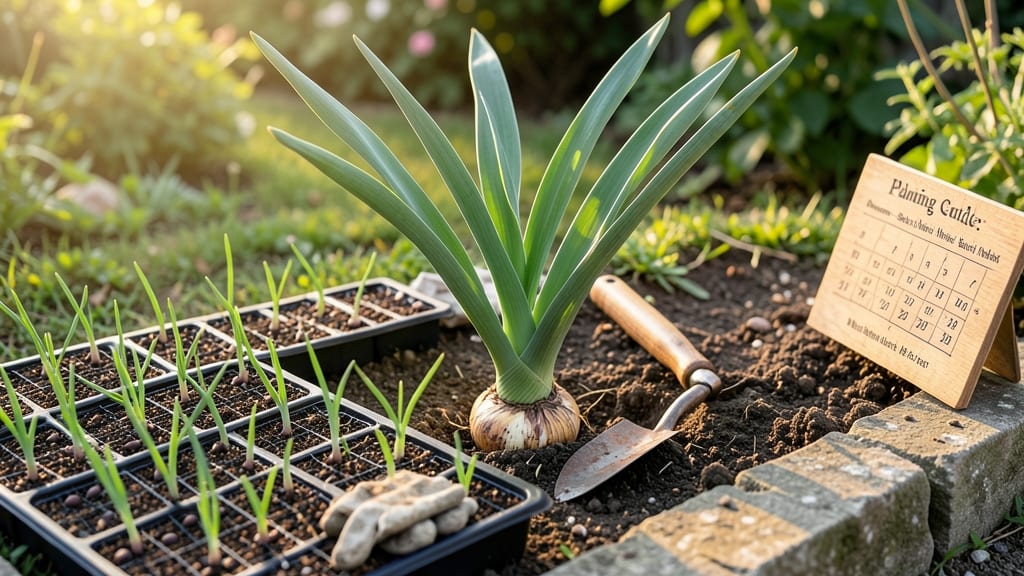
Planting onions in Michigan at the wrong time can mean the difference between a bountiful harvest and wasted effort. 🧅 Whether you're working with seeds or sets, getting the timing right—especially in USDA zones 5b-6b—is the key to avoiding bolting or stunted growth.
Most Michigan gardeners swear by early spring planting between March and April, but fall planting in August or September also works if you choose cold-hardy varieties.
The secret lies in soil temperatures and frost dates, which can shift yearly. I’ll break down the exact windows and share my go-to varieties that thrive here.
You’ll learn how to prepare your soil, whether to start indoors or direct-sow, and how to protect young plants from late frosts. With these tips, you’ll be harvesting plump, flavorful onions by June or July—no guesswork needed.
Ready to grow onions that outperform store-bought? Let’s dive into the step-by-step schedule that’s worked for me—and thousands of other Michigan gardeners—year after year.
Michigan onion planting calendar: exact months for seed vs. sets
Michigan’s USDA Zones 4-6 mean onions can be planted either in early spring or late summer/fall for overwintering success. The key is timing: plant too early, and onions bolt; too late, and they won’t mature before winter.
For spring planting, aim for 4-6 weeks before the last frost date (typically mid-March to early April), while fall planting should occur 6-8 weeks before the first frost (usually August to early September).
Onion seeds and sets have different planting windows. Seed-starting indoors begins 8-10 weeks before the last frost (February), while transplanting sets happens 2-3 weeks earlier than direct seeding. Fall-planted onions need 60-90 days to establish roots before winter, so adjust your schedule based on your region’s frost dates.
Check your local Michigan State University Extension resources for precise frost timelines.
Here’s the breakdown of Michigan’s onion planting calendar, including soil temperature requirements and ideal planting windows for both seeds and sets:
For spring planting, I recommend starting seeds indoors in late February and transplanting them outdoors in early April, once soil temperatures reach 50°F. This gives seedlings a head start and reduces the risk of bolting.
If you’re planting sets, place them directly in the garden 2-3 weeks before the last frost—they’ll sprout quickly in Michigan’s cool spring soil.
Fall planting is ideal for storage onions like Yellow Sweet Spanish or Red Baron. Sow seeds or sets in late August to allow bulbs to mature before winter.
Use row covers or straw mulch to protect them from early frosts. Overwintered onions often produce larger bulbs and store better than spring-planted varieties.
Michigan’s variable climate means your exact planting dates may shift slightly by region. Northern Michigan (e.g., Traverse City) has a shorter growing season, so plant 2 weeks earlier than southern areas like Detroit.
Always monitor soil temperatures—onions thrive in 50-65°F soil, and cold soil can stunt growth.
Pro tip: Use a soil thermometer to confirm temperatures before planting. If soil is too cold (below 45°F), onions will grow slowly or rot.
Warm the soil with black plastic mulch or a cold frame if needed. This is especially critical for late spring plantings in Michigan’s cooler zones.
For gardeners in USDA Zone 5b (e.g., Grand Rapids), aim for March 15-April 15 for spring sets and August 15-September 15 for fall planting. In Zone 6b (e.g., Ann Arbor), you can extend the window to April 1-May 1 for spring and August 1-September 30 for fall.
Always check your local frost-free date—Michigan State University’s Garden Hotline is a great resource.
Remember, onions are cool-season crops, so they’ll tolerate light frosts but not prolonged cold. If a late frost threatens after planting, cover seedlings with frost cloth or a lightweight row cover. This protects young plants while allowing sunlight and airflow. With the right timing
Best cold-hardy onion varieties for Michigan gardens
Michigan’s USDA Zones 5b-6b demand onions that handle cold snaps and short growing seasons. The wrong variety can bolt prematurely or fail to mature. I’ve tested these top 5 cold-hardy options—each chosen for flavor, storage life, and resilience to Michigan’s unpredictable spring frosts.
Whether you prefer sweet green onions or storage-worthy bulbs, there’s a perfect match for your garden.
For spring planting, focus on intermediate-day varieties like ‘Candy’ or ‘Sweet Sandwich’, which balance day-length sensitivity with Michigan’s 14-16 hour daylight in summer. These types won’t bolt early like long-day onions (e.g., ‘Yellowstone’) would in our shorter days.
Meanwhile, short-day varieties like ‘Texas Early White’ thrive when planted in late summer for fall harvests—ideal if you want a second crop.
🌱 Pro Tip: Always check the seed packet for day-length requirements—this determines whether your onions will mature properly. For example, ‘Red Baron’ (a long-day type) needs our long summer days to bulb up, while ‘Everlasting’ (a storage onion) stores for months in cool basements.
| Variety | Day-Length | Best For | Days to Maturity | Storage Life |
|---|---|---|---|---|
| Candy | Intermediate | Fresh eating, green onions | 60-70 days | Poor (use fresh) |
| Sweet Sandwich | Intermediate | Burgers, grilling | 90-100 days | Moderate (3-4 months) |
| Red Baron | Long-day | Storage, cooking | 110-120 days | Excellent (6+ months) |
| Texas Early White | Short-day | Fall planting, quick harvest | 80-90 days | Fair (2-3 months) |
| Everlasting | Intermediate | Long-term storage | 100-110 days | Excellent (8+ months) |
If you’re starting from seed (not sets), time your indoor starts carefully. For long-day varieties like ‘Red Baron’, begin seeds 10-12 weeks before your last frost date (typically mid-February in Michigan).
Use grow lights to simulate long days—without them, seeds may bolt prematurely. For intermediate-day types like ‘Sweet Sandwich’, you can direct-sow in early spring (March) or transplant sets in April.
For fall planting, choose short-day varieties like ‘Texas Early White’ and sow seeds 8-10 weeks before your first frost (aim for late August). These onions overwinter in the soil, resuming growth in spring.
Just ensure they’re covered with straw to protect from freeze-thaw cycles—a common issue in Michigan’s Zone 5b winters.
🌿 Remember: Soil temperature matters! Onion seeds need 40-50°F soil to germinate. Use a soil thermometer to check—if it’s colder, wait or use black plastic mulch to warm the soil faster. For transplanting sets, wait until soil reaches 45°F to avoid stunted growth.