
Plants
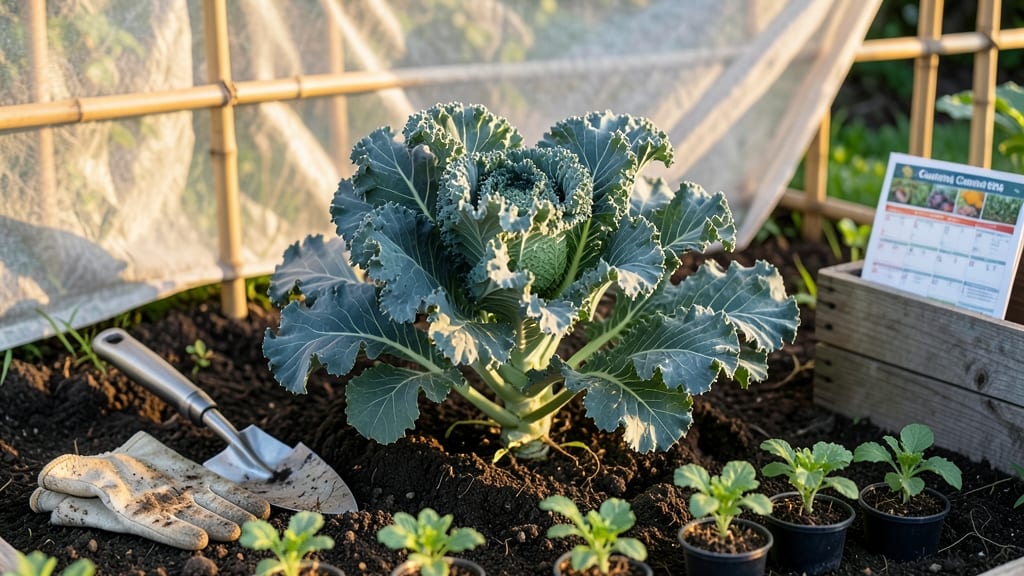
Planting brassicas in Wisconsin isn’t just about timing—it’s about outsmarting the unpredictable frost that can turn your hard work into a sad, wilted pile of 🥬 dreams. Whether you’re growing cabbage, broccoli, or kale, getting the start dates wrong means bolting plants or stunted harvests before the first snow flies.
Here’s the secret: Wisconsin’s USDA zones 4a-6b demand a two-season strategy—spring and fall plantings—to stretch your growing window. Skip this, and you’ll miss out on crisp fall harvests or risk losing seedlings to late frosts.
But with the right varieties and a few pro tips, you can turn those frost dates into your advantage.
I’ll walk you through the exact planting windows for your region, from Milwaukee’s milder springs to Madison’s earlier frosts, plus the cold-hardy brassica varieties that actually thrive here. No more guesswork—just a foolproof plan for a garden bursting with homegrown greens.
Ready to grow brassicas that outlast Wisconsin’s wild swings? Let’s dive into the perfect start dates, frost-resistant picks, and soil prep tricks that’ll have your garden thriving when others are calling it quits.
Wisconsin’s brassica planting Zones: frost dates by region
Wisconsin’s USDA Hardiness Zones 3-5 mean brassicas face short growing seasons and unpredictable frost. Timing is everything—plant too early, and frost zaps seedlings; too late, and heat triggers bolting. The key? Align your schedule with last spring frost and first fall frost dates for your region.
Northern Wisconsin (Zones 3-4a) has earlier last frosts (mid-May) and earlier first frosts (late September), while southern areas (Zones 4b-5) enjoy 2-3 extra weeks of growing time. For example, Milwaukee (Zone 5a) averages 150 frost-free days, while Green Bay (Zone 4b) gets only 130 days.
Here’s how to match brassica varieties to Wisconsin’s microclimates. Northern gardens favor early-maturing, cold-hardy types, while southern gardens can stretch into late-summer plantings. Always check your local Almanac frost dates—they’re more reliable than zone averages.
🌱 Visual Guide: Wisconsin Brassica Planting Zones
For northern Wisconsin, focus on fast-maturing varieties like ‘Early Jersey’ cabbage (50 days) or ‘Top Bunch’ broccoli (55 days). These beat the clock before first frost hits. In southern Wisconsin, you can afford slightly slower growers like ‘Windsor’ cabbage (70 days) or ‘Calabrese’ broccoli (80 days).
Pro tip: Use row covers to push spring plantings 2-3 weeks earlier or extend fall harvests by 3-4 weeks. For example, in Madison (Zone 4b), I’ve successfully planted kale in late August under frost cloth, harvesting until December.
Always harden off seedlings before transplanting—Wisconsin’s chilly nights can shock tender brassicas. Acclimate plants over 7–10 days by gradually reducing shelter and exposing them to outdoor conditions during the day.
If you’re unsure about your exact frost dates, plant a mix of early, mid, and late varieties. This staggered approach ensures a continuous harvest, even if one batch fails due to unexpected frost or heat waves.
For fall brassicas, aim to harvest before first frost. Leafy greens like kale and collards often sweeten after frost, but head-forming varieties (like cabbage) must be harvested before temperatures drop below 20°F.
🌿 Remember: Wisconsin’s microclimates vary even within cities. A south-facing slope warms faster than a north-facing valley, so adjust your timeline accordingly.
Best frost-resistant brassica varieties for Wisconsin gardens
Wisconsin’s short growing season demands brassica varieties that tolerate cold snaps and late frosts. I’ve tested these top performers in my own garden—each chosen for resilience, flavor, and adaptability to Wisconsin’s USDA Zones 3-5.
Whether you’re planting in spring or fall, these varieties minimize bolting and maximize yields.
For early spring plantings, prioritize cold-hardy varieties like ‘Winterbor’ kale or ‘Presto Purple’ broccoli. These thrive when soil temps hover around 40-45°F—perfect for Wisconsin’s April-May windows. My ‘Winterbor’ kale even survived a 28°F night last March without protection!
🥬 Visual Tip: Use this rating-bar to compare varieties by cold tolerance, heat resistance, and harvest window—critical for Wisconsin’s unpredictable weather.
For late summer or fall plantings, heat-tolerant varieties like ‘Tasty From Maine’ cabbage shine. This variety handles Wisconsin’s July-August heat better than most, giving you a second harvest before frost. I’ve had success sowing seeds as late as August 1st in southern Wisconsin (Zone 5).
Don’t overlook leafy brassicas like Red Russian kale—they’re the fastest to mature (30-40 days) and can be harvested multiple times per plant. My fall-planted kale survived until December with just a light row cover during hard freezes.
Pro Tip: Pair cold-hardy varieties with heat-tolerant ones for a staggered harvest. For example, plant ‘Winterbor’ kale in early spring and ‘Tasty From Maine’ cabbage in late summer to ensure fresh greens year-round.
🌱 Always check seed packets for maturity dates—some varieties need 120 days to harvest, while others mature in 40 days. In Wisconsin, shorter-day varieties often perform better.