
Plants
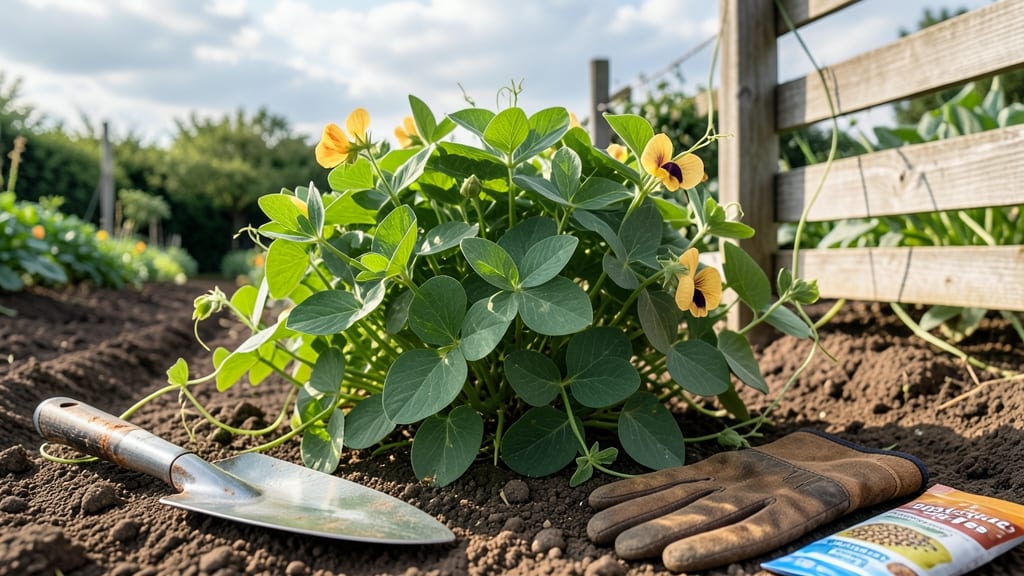
Planting black-eyed peas in Texas isn’t just about throwing seeds into the ground—it’s about timing them perfectly to beat the heat or escape frost.
Too early, and a late freeze could wipe out your crop; too late, and the summer sun will leave your plants wilting before they even set pods.
Texas gardeners know the drill: spring and fall are your best bets, but the exact window depends on whether you're in the Hill Country’s cooler microclimate or the Gulf Coast’s balmy stretches.
I’ll break down the frost-free dates for your USDA zone so you can plant with confidence—whether you’re growing sweet fresh pods or hardy dried peas.
Most Texas varieties like ‘Texas Purple Hull’ or ‘Crowder’ thrive when sown 4-6 weeks before the last frost in spring (February-March) or 8-10 weeks before the first frost in fall (August-September). But with Texas’ unpredictable weather, we’ll also cover how to adjust for sudden cold snaps or scorching heat.
Ready to grow a bumper crop? Let’s dive into the exact planting schedule, soil prep, and weather hacks that’ll turn your Texas garden into a black-eyed pea powerhouse—no guesswork required.
Texas frost-free dates for black eyed peas by heat Zone
Texas’ diverse USDA heat zones (7a–10a) create wildly different planting windows for black-eyed peas. In North Texas (Zones 7–8), frost lingers until mid-March, while South Texas (Zones 9–10) enjoys frost-free soil by January.
Even within these zones, microclimates—like the Hill Country’s cooler nights or the Gulf Coast’s humidity—shift ideal planting dates by 2–4 weeks. Let’s break down the exact frost-free windows and best planting months for your region.
Black-eyed peas are warm-season crops that despise frost. They thrive when soil temperatures hit 60°F+, which typically occurs 4–6 weeks before the last frost date. For Texas, this means late February to early March in North Texas and January to February in South Texas.
However, fall planting (August–September) is also ideal for a second harvest before winter frost arrives.
Here’s how to align your planting with Texas’ heat zones and frost risks:
| USDA Zone | Last Frost Date | Ideal Planting Window | Fall Planting Window | Harvest Time |
|---|---|---|---|---|
| 7a–7b (North Texas) | Mid-March | Late February–Early March | August 15–September 15 | April–May (Spring) / Oct–Nov (Fall) |
| 8a–8b (Central Texas) | Early March | Early February–Late March | August 1–September 30 | March–May / Sept–Nov |
| 9a–9b (East/South Texas) | January 15–February 1 | January–February | July 15–September 15 | February–April / Sept–Nov |
| 10a (Deep South Texas) | December 15–January 1 | December–January | June 15–August 30 | January–March / Aug–Oct |
For North Texas gardeners (Zones 7–8), I recommend starting seeds indoors in late January to transplant outdoors after the last frost.
In South Texas (Zones 9–10), you can sow directly into the garden as early as December—just watch for unexpected cold snaps, which can still occur in January. A row cover or cloche can protect seedlings if temps dip below 50°F.
Texas’ fall planting window is often overlooked but yields sweeter, less fibrous pods when harvested before winter. Aim to plant 8–10 weeks before your region’s first frost. In North Texas, this means late August; in South Texas, you can extend planting until early October.
Use fast-maturing varieties (like ‘Crowder’) to ensure harvests before frost.
Pro tip: Check your local AgriLife Extension office for hyper-local frost dates. Microclimates—like urban heat islands or windy hilltops—can shift frost dates by 1–2 weeks. For example, Amarillo (Zone 7b) may see frost until March 15, while Dallas (Zone 8a) typically
Texas frost-free dates for black eyed peas by heat Zone
Texas spans USDA Zones 7a–10a, meaning frost dates vary wildly from North Texas to the Gulf Coast. Black-eyed peas need warm soil (60°F+) to germinate, so timing depends on your zone.
In Zone 7a (e.g., Dallas), aim for March 1–April 15; in Zone 10a (e.g., Brownsville), February or September works best. Always check your local last frost date—a late freeze can kill young plants.
For spring plantings, sow seeds 4–6 weeks before your area’s last frost. In fall, plant 8–10 weeks before the first frost to ensure pods mature before cold sets in.
Texas’ unpredictable weather means flexibility—have a backup plan for late snaps or droughts. Use row covers if frost threatens after planting.
🌱
Texas Black-Eyed Pea Planting Guide by Zone
| USDA Zone | Last Frost Date | Spring Planting Window | Fall Planting Window | Harvest Time |
|---|---|---|---|---|
| 7a (North TX) | Feb 15–March 1 | March 15–April 15 | August 1–September 15 | May–June or Oct–Nov |
| 8a (Central TX) | Jan 31–Feb 15 | Feb 20–March 30 | July 15–August 30 | April–May or Sept–Oct |
| 9a (South TX) | Jan 1–Jan 15 | Feb 1–March 15 | June 15–July 30 | March–April or Aug–Sept |
| 10a (Deep South TX) | Dec 15–Jan 1 | Jan 15–Feb 28 | May 15–June 30 | Feb–March or July–Aug |
Microclimates matter! Hill Country areas (like Austin) often have earlier frosts than coastal regions. If you’re near elevated terrain, plant 2 weeks later than your zone’s average. Conversely, Gulf Coast gardeners can push fall plantings into early September for a late harvest before frost.
For container gardening, black-eyed peas adapt well but need deeper pots (12"+) and warmer soil. Start seeds indoors 4–6 weeks before outdoor planting to extend your season. Use black plastic mulch to warm soil faster in early spring.
🌡️
Pro tip: Soil temperature is more critical than air temperature. Use a soil thermometer—black-eyed peas won’t germinate below 60°F. If your soil is cold, wait 1–2 weeks or use row covers to insulate seeds. In Zone 10a, you can even plant year-round with consistent moisture!