
Plants
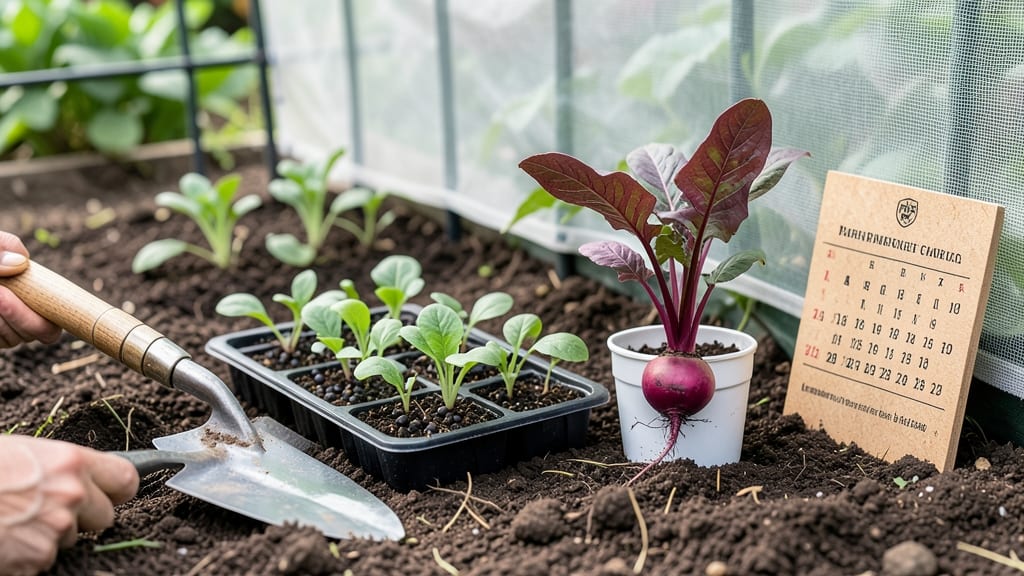
Timing your beet planting in Nebraska can make the difference between sweet, tender roots and bitter, stunted harvests—especially when frost sneaks in earlier than expected. The key to success lies in understanding two distinct planting windows: early spring and late summer, both tailored to Nebraska’s 5a-6b climate.
Most gardeners miss the March 15–May 1 window because they wait too long for soil to warm, only to watch their beets bolt in the heat. But with the right preparation—like testing soil temperature and using row covers—you can start seeds 2–3 weeks earlier than traditional guides suggest.
Don’t overlook the fall planting season either. September 1–October 15 offers a second chance for harvests, provided you choose fast-maturing varieties and protect seedlings from early frosts. I’ll show you how to stretch your beet season from June to November without the guesswork.
Ready to grow crisp, flavorful beets consistently? Let’s break down the exact steps to time your plantings—so you’re harvesting at the perfect moment, not struggling with frost damage or tough roots.
Nebraska’s optimal beet planting windows by frost Zone
Nebraska’s USDA Hardiness Zones 4-6 mean your frost-free window can swing wildly—from April 15 in western regions to May 10 in the east. For sweet, tender beets, timing is everything.
Plant too early, and frost will kill seedlings; too late, and summer heat sends them bolting. The secret? Start seeds when soil hits 40°F and daytime temps stay above 50°F.
Most Nebraska gardeners succeed with two planting windows: early spring (March 15–April 30) and late summer (August 15–September 30). These windows align with soil warmth and frost risk.
For example, in Omaha (Zone 5b), aim for March 20–April 15 in spring and August 20–September 15 for fall. Adjust 1–2 weeks earlier in western Nebraska (Zone 5a) and 1 week later in eastern areas (Zone 6b).
Here’s the golden rule: count back 50–60 days from your average first frost date (usually October 15) to determine your latest fall planting. In Lincoln (Zone 5b), that means September 1–15. Miss this window, and your beets won’t mature before winter sets in.
| Zone & Location | Spring Planting Window | Fall Planting Window | Soil Temp Requirement | Key Adjustment |
|---|---|---|---|---|
| Western NE (Zone 5a: Scottsbluff) | March 15–April 1 | August 10–September 1 | 40–45°F | Plant 2 weeks early—drier climate speeds germination. |
| Central NE (Zone 5b: Omaha, Lincoln) | March 20–April 15 | August 20–September 15 | 45–50°F | Use row covers for early spring starts. |
| Eastern NE (Zone 6b: Nebraska City) | March 25–April 20 | August 25–September 20 | 50–55°F | Extend fall harvest with cold frames. |
🌱 Pro Tip: Test soil temp with a soil thermometer—beets won’t sprout below 40°F.
For continuous harvests, stagger plantings every 2 weeks in spring and 3 weeks in fall. This ensures you’re never without fresh beets. For example, if you plant March 20, follow up with April 3 and April 17.
In fall, September 1, September 15, and September 30 work well.
Don’t overlook microclimates—areas near buildings, fences, or hills can be 2–3°F warmer than open fields. These spots are perfect for early spring starts or late fall extensions. For instance, a south-facing slope in Kearney (Zone 5a) might support a May 10 planting when flatter areas can’t.
If Nebraska’s unpredictable weather has you second-guessing, opt for cold-hardy varieties like ‘Detroit Dark Red’ or ‘Golden’. These tolerate light frosts and still produce sweet roots even when temps dip to 25°F. Pair them with mulch (straw or leaves) to insulate soil and keep roots tender.
One common mistake is waiting for perfect soil warmth—beets germinate best at 40–50°F, not 60°F+. If you delay until soil is too warm (70°F+), seeds may rot in the soil or bolt prematurely.
Use a seedling heat mat ($15–$25) for 2–3 weeks if your spring is slow to warm.
For fall plantings, aim to harvest before hard frosts (below 20°F). In Zone 5a, that’s usually by October 15, while Zone 6b can stretch to November 1.
If frost threatens early, harvest greens first (they’re more cold-tolerant than roots) and leave roots in the ground, mulched heavily, for 2–3 weeks of extended harvest.
Remember: Beets are cool-season crops, but they hate summer heat. In Nebraska’s 90°F+ days, they’ll bolt (send up flower stalks) and turn bitter. Plan your <
How to extend your beet harvest season in Nebraska
Nebraska’s short growing season doesn’t have to limit your beet harvests. With the right strategies, you can enjoy fresh beets from early spring through crisp fall. The key is leveraging succession planting, cold-hardy varieties, and protective tools like row covers.
I’ve grown beets for years in my Nebraska garden, and these methods have doubled my harvest time.
Start by choosing fast-maturing varieties like Detroit Dark Red or Boltardy, which thrive even in cooler temperatures. These varieties mature in just 45-55 days, giving you a quick turnaround for multiple plantings.
For a longer harvest window, mix in longer-season varieties like Chioggia or Golden Beet, which take 60-70 days but produce sweeter roots.
Here’s how I extend my beet season in Nebraska:
For my late-summer plantings, I always use row covers to shield young seedlings from unexpected early frosts. Even a light frost can damage tender greens, but the roots often survive and produce sweeter flavors. I’ve even harvested beets in November with proper protection!
Don’t forget to harvest regularly to encourage continuous production. Beets left in the ground too long become tough and woody, especially in Nebraska’s heat. Aim to harvest when roots are 1-3 inches in diameter for the best texture and flavor.
With these techniques, you can enjoy homegrown beets for nearly half the year—from early spring through late fall. The secret is planning ahead and adapting to Nebraska’s ever-changing weather. Happy planting! 🌱