
Plants
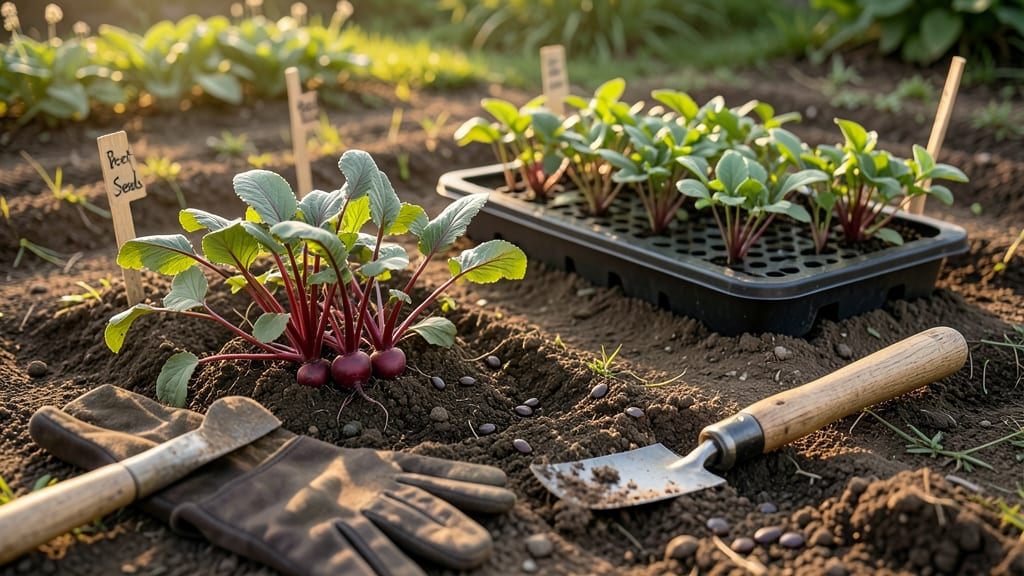
Timing your beet planting in Maryland can feel like a high-stakes game of chance—get it wrong, and you’re left with bitter, woody 🍠 roots instead of sweet, tender harvests.
The key isn’t just knowing when to plant, but understanding how Maryland’s 7a-7b climate and unpredictable frost dates (mid-April to mid-October) shape your best windows.
Most gardeners rush to plant beets in early spring, but without checking soil temperatures (50°F+ is ideal), you risk stunted growth or frost damage. The real secret? Two planting waves—early spring (March-April) for a summer harvest and mid-summer (July-August) for fall crops—both timed to avoid Maryland’s early frosts.
I’ll break down the exact frost-free deadlines by county heat zone so you can plan with confidence. Whether you’re in Baltimore County’s milder microclimate or Garrett County’s cooler highlands, these local adjustments will help you extend your harvest season. Ready to grow beets that taste like victory?
From succession planting tips to soil prep hacks, you’ll learn how to turn Maryland’s climate into your beet-growing advantage. Let’s get those seeds in the ground at the perfect moment—no more guesswork, just great harvests.
Maryland beet planting calendar: frost-free deadlines by county heat zones
Maryland’s 5 USDA zones (5A-7B) create big differences in frost dates—from Baltimore County’s Zone 7B (warmer) to Garrett County’s Zone 5A (colder). Beets thrive when soil temps hit 50°F+, so timing is everything.
Plant too early, and frost will kill your seedlings; too late, and you’ll miss the 60-70 day harvest window before summer heat sets in.
I’ve broken down the optimal planting windows by zone, including last frost dates and fall planting adjustments to stretch your harvest. Use these as your guide to avoid the woody, bitter beets that come from poor timing.
🌱
| Zone | Counties | Last Frost | First Spring Planting | Fall Planting | Notes |
|---|---|---|---|---|---|
| 5A | Garrett, Allegany | April 25 | April 10-May 1 | July 15-August 1 | Use row covers for early spring |
| 6A | Frederick, Carroll, Washington | April 15 | March 20-April 10 | July 1-August 10 | Ideal for 'Detroit Dark Red' |
| 6B | Montgomery, Prince George’s | April 1 | March 15-April 5 | July 15-August 15 | Try 'Golden' beets for heat tolerance |
| 7A | Anne Arundel, Howard, Talbot | March 25 | February 28-March 20 | August 1-September 1 | Extend season with black plastic mulch |
| 7B | Baltimore City, Harford, Cecil | March 15 | February 15-March 10 | August 10-September 10 | Best for year-round succession |
For Zone 5A gardeners in Garrett County, start seeds indoors in late March to transplant after April 25. In Zone 7B (Baltimore), you can even try a winter crop under row covers—just plant by September 15 for a late fall harvest.
Pro tip: Soil temperature matters more than air temperature. Use a soil thermometer to confirm 50°F+ before planting. If temps are cooler, wait—cold soil slows germination and invites rot.
🌿
Fall planting is your secret weapon for Maryland’s mild winters. Sow seeds 8-10 weeks before your first frost (so July-August in most zones). Choose cold-hardy varieties like 'Detroit Dark Red' or 'Chioggia' to survive light frosts. Harvest before hard freezes (below 20°F) to avoid damage.
I’ve seen gardeners in Baltimore County extend their harvest into November by using straw mulch and frost blankets. The key is planting early enough so beets mature before the first frost—aim for 60-70 days to harvest.
💧
Don’t forget: Succession planting every 2 weeks in spring and fall gives you a steady supply. For example, in Zone 6B, plant your first batch in late March, then follow with April 15 and May 1 for a staggered harvest through July.
If you’re in doubly uncertain about your frost dates, check the Maryland Department of Agriculture’s frost calendar or use a frost date app like Old Farmer’s Almanac. Local variations can shift dates by
How to extend your beet harvest season in Maryland’s climate
Maryland’s short growing season can feel like a race against time for beet lovers, but with the right strategies, you can enjoy fresh, tender roots from early spring to crisp fall.
The key? Succession planting, cold-hardy varieties, and protective row covers to shield tender seedlings from late frosts or early chills.
Let’s break down how to stretch your beet harvest beyond the typical May-July window and into September or October—or even start earlier in February for a head start.
First, focus on cold-tolerant beet varieties like ‘Detroit Dark Red’ or ‘Golden’, which handle cooler soils better than heat-sensitive types. These varieties can sprout in soil temperatures as low as 40°F, giving you a 2-3 week advantage over slower-starting hybrids.
Pair them with row covers or cold frames to extend your planting window by 4-6 weeks in both spring and fall.
For spring planting, start seeds indoors 4-6 weeks before your last frost date (around mid-March for most of Maryland). Transplant seedlings outdoors 2 weeks before the last frost in well-drained, loose soil to prevent forking.
Use black plastic mulch to warm the soil faster and keep weeds at bay—this can shave off 10-14 days from your time-to-harvest.
🌱 Pro Tip: Maryland’s USDA Zones 5A-7B mean some counties (like Garrett or Allegany) can plant 2 weeks earlier than coastal areas (like Baltimore or Anne Arundel). Check your local frost dates and adjust accordingly!
⚖️ Spring vs. Fall Planting: Pros and Cons
🌱 Spring Planting
- Pros: Longer harvest window
- Pros: Avoids summer bolting
- Cons: Risk of frost damage
- Cons: Slower growth in cool soil
🍂 Fall Planting
- Pros: Sweeter, cooler-season roots
- Pros: Fewer pests (no cucumber beetles!)
- Cons: Shorter daylight = smaller roots
- Cons: Early frost risk
💡 Best for Maryland: Plant spring (March-April) + fall (July-August) for a double harvest!
For fall planting, aim to sow seeds 90-100 days before your first frost (around mid-July for most of Maryland). This gives beets enough time to mature before temperatures dip below 20°F.
Use row covers to protect seedlings from light frosts (down to 25°F) and extend harvests into October. If you’re in Zone 7B (like Howard or Frederick County), you might even squeeze in a third planting in early September for a late-fall crop!
Don’t forget succession planting—sow new seeds every 2-3 weeks in spring and every 3 weeks in fall to ensure a steady supply of baby beets (great for salads!) and larger roots.
Thin seedlings to 2-3 inches apart once they’re 2 inches tall to prevent competition and encourage straight, tender roots. Mulch with straw or shredded leaves to retain moisture and suppress weeds, which is especially critical during Maryland’s hot, dry summers.
With these strategies, you can enjoy homegrown beets for nearly 6 months—from late April to October—without the risk of woody, bitter roots. Start small, experiment with varieties, and soon you’ll be the beet whisperer of your neighborhood! 🍠