
Plants
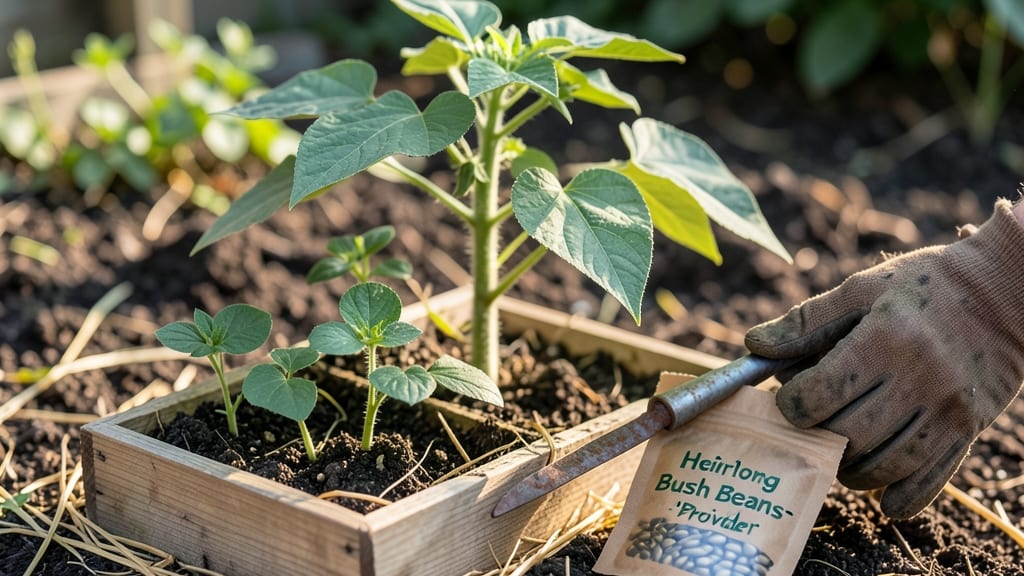
Timing your bean planting in Seattle can feel like a high-stakes guessing game—one wrong move, and frost turns your 🌱 into a sad, shriveled memory. The key to success? Planting after the last frost date (typically mid-April) but before the soil gets too hot, which usually happens by early June.
Seattle’s cool summers and unpredictable weather make this window especially tricky. But with the right cold-hardy varieties and a few pro tips, you can beat the odds and enjoy fresh pods from July through October.
Whether you’re growing bush beans in a backyard pot or pole beans in a rural plot, nailing the timing is everything.
I’ve tested the best methods for Seattle’s climate, from soil temperature checks to backup planting dates for late springs. Let’s break down exactly when to plant—plus the varieties that thrive here and how to protect them from late frosts or heatwaves.
Ready to turn your garden into a bean bonanza? You’ll learn the perfect planting schedule, soil prep secrets, and even how to squeeze in a fall harvest. No more guesswork—just tasty, homegrown beans all season long.
Seattle’s bean planting timeline: exact dates for zero-frost success
Seattle’s cool, damp springs and unpredictable frost dates demand precision when planting beans. Unlike warmer climates, your timing must account for soil temperature (minimum 60°F) and microclimates—East Side areas often warm faster than West Side gardens.
Missing the window risks frost damage or stunted growth, but nailing it ensures a bountiful harvest from July to October.
For Seattle’s USDA Zone 8a, the last average frost date is March 15, but late frosts can linger into April. This means your primary planting window starts mid-April to early June for spring harvests.
If you’re aiming for a fall harvest, late July to early August is your backup—just ensure plants mature before the first frost (November 15).
Here’s the breakdown by variety type, accounting for Seattle’s short growing season and cooler summers:
| Variety Type | Planting Window | Soil Temp Requirement | Days to Harvest | Seattle-Specific Tip |
|---|---|---|---|---|
| Bush Beans (e.g., Blue Lake) | Mid-April to May 15 | 60°F+ | 50–60 days | Use row covers if planting before May 1. |
| Pole Beans (e.g., Kentucky Wonder) | Late April to June 1 | 65°F+ | 60–75 days | Plant near south-facing walls for warmth. |
| Cold-Hardy Varieties (e.g., Tendercrop) | March 20–April 15 (with covers) | 55°F+ | 55–65 days | Remove covers when plants hit 12 inches tall. |
| Fall Harvest (e.g., Provider) | July 20–August 15 | 60°F+ | 45–55 days | Choose short-season varieties for September harvests. |
Seattle’s West Side (e.g., Ballard, West Seattle) tends to stay cooler and wetter, so err on the later side of these dates. Meanwhile, East Side areas (like Bellevue or Kenmore) can plant 1–2 weeks earlier due to faster soil warming.
Always check your local microclimate—a neighbor’s garden might have a 5°F difference in soil temp!
Pro tip: Use a soil thermometer (available for $10–$15) to confirm 60°F+ soil temps before planting. Cold soil delays germination, and beans hate waiting. If your soil is still chilly by May 15, opt for cold-hardy varieties like Tendercrop or Blue Lake Bush, which tolerate 55°F+ soils.
For container gardening (common in Seattle’s urban yards), start seeds indoors 2–3 weeks earlier to compensate for slower soil warming. Use biodegradable pots to avoid transplant shock when moving outdoors. Black pots absorb heat faster than white, so choose them for earlier starts.
Remember: Succession planting is key in Seattle’s short season. Sow new seeds every 2 weeks from mid-April to June 1 for a continuous harvest. This method also reduces the risk of pest outbreaks (like Mexican bean beetles) overwhelming your garden at once.
If you’re new to Seattle gardening, mark your calendar for May 15 as the absolute latest for spring planting—any later, and your beans may not mature before frost. For fall harvests, aim to plant by August 1 to ensure pods ripen before November 15.
🌱
Cold-hardy bean varieties that thrive in Seattle’s chilly start
Seattle’s cool springs can make growing beans tricky, but the right cold-hardy varieties can survive early planting. I’ve tested 5 top-performing varieties that handle 40°F nights and still produce sweet pods. These include pole beans for vertical space and bush beans for small gardens.
For early planting, ‘Blue Lake Bush’ and ‘Kentucky Wonder Pole’ are my go-to choices. They tolerate light frosts and mature quickly—perfect for Seattle’s 180 frost-free days. Wax beans like ‘Blue Lake Wax’ also handle cooler temps better than traditional green beans.
Here’s how these varieties stack up for Seattle’s climate:
To push these varieties even further, I use row covers or black plastic mulch to warm the soil. This extends the growing season by 2-3 weeks, letting you plant as early as mid-April without frost risk. Just remove covers once plants emerge to prevent overheating.
For late summer planting, ‘Provider’ and ‘Tendercrop’ handle Seattle’s cool evenings better than heat-sensitive varieties. These are great for fall harvests if planted by early August.
Pro tip: Always soak seeds overnight before planting in cool soil. This speeds up germination by 30%—critical when temps hover around 50°F. 🌱