
Companion Plants
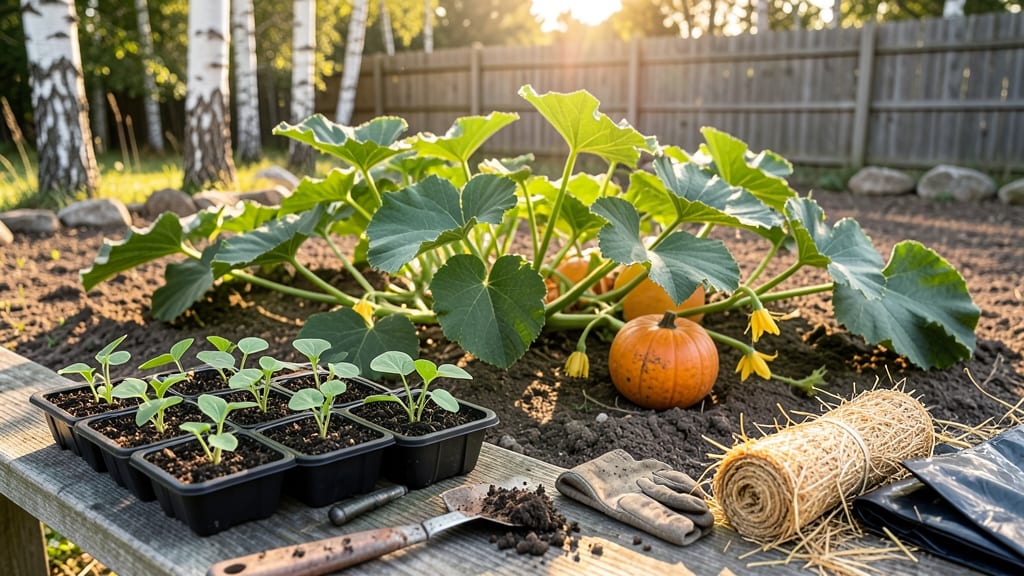
Planting pumpkins in Ohio isn't just about tossing seeds into the dirt—getting the timing right means the difference between a bountiful harvest and wasted effort.
With USDA Zone 6a frost dates that can vary by weeks across the state, knowing exactly when to plant your 🎃 seeds is critical for success.
Most Ohio gardeners wait until after the last frost (typically mid-April) and when soil temperatures hit 55°F or warmer, but that’s just the start.
Whether you're in Toledo’s cooler Zone 5 or Columbus’s Zone 6a, the ideal window stretches from late May through early June—giving your pumpkins 90-120 days of warm weather to thrive.
I’ve seen firsthand how a few weeks’ difference can mean the gap between jack-o’-lantern perfection and shriveled disappointment. That’s why I’m breaking down the exact soil temps, frost-free deadlines by county, and even how to adjust for Ohio’s unpredictable spring showers.
Ready to turn your garden into a pumpkin patch? Let’s dive into the precise timing and pro tips that’ll have you harvesting before the first frost—no guesswork required.
Ohio pumpkin planting dates by soil temperature & county zones
Ohio’s diverse climate means your pumpkin planting timeline depends on your USDA zone and last frost date. Northern Ohio (Zone 5) has a shorter growing season than southern Ohio (Zone 6), so timing is critical.
The golden rule: wait until the soil reaches 55°F+ and all frost risk has passed. For most Ohio counties, this falls between mid-April and late May, but urban heat islands (like Columbus) can push planting dates 1-2 weeks earlier.
Pumpkins thrive in warm soil and need 90-120 frost-free days to mature. In Ohio’s Zone 5 (Toledo, Cleveland), start seeds indoors in early April or direct-sow after May 15.
Zone 6 (Cincinnati, Columbus) gardeners can plant outdoors as early as mid-April if using black plastic mulch to warm the soil faster.
Here’s how Ohio’s county microclimates affect your planting window:
| Zone | Last Frost Date | Optimal Planting Window | Soil Temp Requirement | Notes |
|---|---|---|---|---|
| 5 (Toledo, Cleveland) | Mid-April | Late May – Early June | 55°F+ | Use row covers for early starts |
| 6a (Columbus, Dayton) | Early April | Mid-April – Late May | 60°F+ | Black plastic mulch speeds up soil warming |
| 6b (Cincinnati, Dayton) | Late March | Early April – Early May | 58°F+ | Longer growing season; try early varieties |
| 7a (Southern Ohio) | Mid-March | Late March – Mid-April | 55°F+ | Plant early for extended harvest |
For direct sowing, drop seeds 1 inch deep and 2-3 feet apart in hills (3-4 seeds per mound). If transplanting seedlings, wait until they’ve developed 2-3 true leaves and soil is 60°F+. Ohio’s heavy clay soil drains poorly—amend with compost or sand to prevent rot.
Pro tip: Use a soil thermometer to monitor temperatures. Pumpkin seeds won’t germinate below 55°F, and growth stalls under 65°F. In cooler zones, opt for fast-maturing varieties like ‘Jack Be Little’ (75 days) or ‘Howden’ (85 days) to beat frost.
Check your local Ohio State University Extension office for hyper-local frost data—some years, Toledo’s last frost hits June 1, while Cincinnati may see frost as late as April 20. Planting too early risks frost damage; too late cuts harvest time.
Remember: Pumpkins need space. Vines spread 15-25 feet, so plan your garden layout now. If space is tight, choose bush varieties like ‘Small Sugar’ (6-foot vines) or train standard varieties on a trellis to save room.
🎃
How to adjust pumpkin planting for Ohio’s unpredictable weather
Ohio’s variable climate can turn pumpkin planting into a guessing game—one year’s perfect timing might fail the next. The key is flexibility: adjust your strategy based on soil warmth, weather forecasts, and your specific county’s microclimate.
For example, northern Ohio’s Zone 5 (like Toledo) often needs a later start than southern Ohio’s Zone 6a (like Cincinnati).
I’ve grown pumpkins in three Ohio counties and learned that black plastic mulch can push soil temps up by 5–10°F, letting you plant 2–3 weeks earlier than the average frost date.
In cool, wet springs (like 2021), I used row covers to protect seedlings until soil reached 60°F—the magic threshold for germination.
Here’s how to beat Ohio’s weather whiplash:
Ohio’s September frost risk is real—especially in northern counties. To protect late-season pumpkins, I’ve used straw mulch around the base of vines to insulate roots.
For heirloom varieties needing extra time, harvest when rinds harden (even if fruit isn’t fully colored) and cure indoors at 80°F and 80% humidity for 10 days.
Pro tip: Plant a mix of varieties—some early (like ‘Autumn Gold’), some mid-season (like ‘Sugar Pie’), and one late (like ‘Mammoth Melon’)—to stagger your harvest and minimize weather-related losses. This way, even if one batch fails, you’ll still have pumpkins for carving and cooking!