
Plants
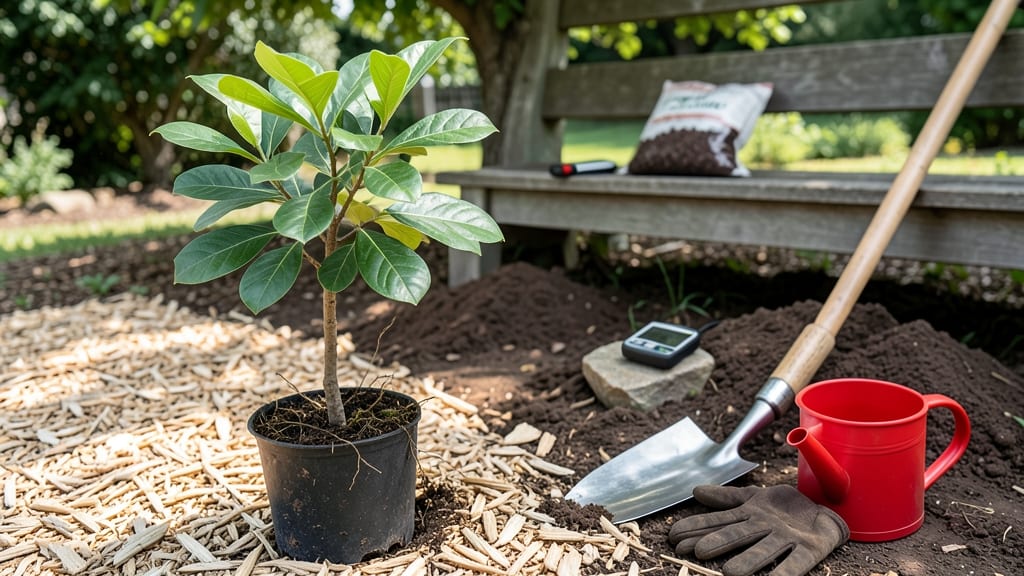
Planting an avocado tree in the ground is exciting, but getting the timing right can mean the difference between a thriving fruit-bearing tree and a sad, frost-bitten sapling. If you plant too early, a surprise frost could wipe out your young tree before it even gets a chance to grow.
The key is waiting until the danger of frost has truly passed in your area.
For most gardeners in USDA Zone 6 and colder regions, this means holding off until late spring—typically after April 15—when soil temperatures have warmed enough to support root growth.
In warmer zones like 9-10, you can plant as early as winter, but even there, timing matters to avoid heat stress or poor establishment.
I’ll walk you through the exact frost-free planting windows for your zone, plus how to prepare your soil and tree for success. Whether you’re in a coastal climate or inland, these tips will help you avoid common mistakes that kill young avocado trees before they even reach maturity.
By the end, you’ll know not just when to plant, but how to give your avocado tree the best start—so you can enjoy homegrown fruit in just a few years. Let’s get started!
USDA zone planting timeline: when to plant avocado trees by region
Avocado trees (Persea americana) thrive in warm climates but can be planted in cooler zones with careful timing. The critical factor is avoiding frost—even young trees can die from temperatures below 28°F (-2°C). Here’s your zone-specific planting window to ensure survival and fruit production.
Most gardeners plant avocados in late spring or early summer after the last frost date. However, USDA Zones 10-11 (tropical climates) can plant year-round, with winter being ideal. For Zones 9-10, aim for March-April to give roots time to establish before summer heat.
🌱
| USDA Zone | Best Planting Month | Soil Temp (°F) | Frost Risk | Notes |
|---|---|---|---|---|
| 6-7 (Cool) | May-June | 65°F+ | High (use containers!) | Grow in pots; move indoors in winter. |
| 8-9 (Temperate) | March-April | 60°F+ | Moderate (last frost risk) | Plant after last frost; mulch heavily. |
| 10-11 (Tropical) | Winter (Dec-Feb) | 70°F+ | None | Best time for root establishment. |
For Zones 6-7, container growing is often the only option. Use large pots (20+ gallons) with drainage holes and move them indoors when temperatures drop below 40°F (4°C). In Zones 8-9, focus on microclimates—plant near walls or slopes that warm up faster.
🌡️ Pro Tip: Check your local frost dates (USDA Plant Hardiness Map) and add 4-6 weeks to determine your safe planting window. For example, if your last frost is April 15, plant by May 15.
Avocado varieties like Hass and Fuerte are cold-hardy but still need protection. Bacon avocados are more sensitive—stick to Zones 10-11 for best results. If you’re in a borderline zone, start trees in containers for flexibility.
🌿 Soil Temperature Matters: Roots won’t grow well below 60°F (15°C). Use a soil thermometer to confirm readiness. In cooler zones, black plastic mulch can warm the soil by 5-10°F faster than bare earth.
Once planted, water deeply (10-15 gallons per tree) to encourage root spread. Avoid overhead watering to prevent fungal diseases like root rot. In Zones 10-11, summer droughts can stress young trees—mulch heavily to retain moisture.
💧 Zone-Specific Care:
- Zones 6-7: Winterize with burlap wraps and grow lights.
- Zones 8-9: Prune lightly in late winter to remove dead wood.
- Zones 10-11: Fertilize monthly during rainy seasons to prevent nutrient leaching.
How to prepare your avocado tree for ground planting after frost risk passes
Once you’ve confirmed the frost-free window for your USDA zone, preparing your avocado tree for ground planting is the next critical step. Even with perfect timing, poor soil or improper handling can stress your tree and reduce survival rates.
Start by assessing your microclimate—avocados thrive in warm, sheltered spots with well-draining soil and 6+ hours of sunlight daily.
If you’re transplanting a potted avocado, harden it off over 7–10 days before planting. Move it outdoors gradually, starting with 2–3 hours of shade and increasing exposure daily. This mimics natural conditions and prevents shock.
For seed-grown trees, ensure roots are white and fibrous—not brown or mushy—before transplanting. Healthy roots mean faster establishment in the ground.
Choose a south-facing location for maximum sunlight exposure, but avoid areas with strong afternoon winds, which can dry out young leaves. If your yard has cold air pockets (like valleys), plant on a slight slope to allow warm air to circulate.
After planting, water deeply to settle the soil and remove any air pockets around the roots.
For the first 30 days post-planting, monitor your avocado tree closely for signs of stress, like yellowing leaves or wilting. These could indicate underwatering, overwatering, or transplant shock.
Adjust your watering schedule based on soil moisture—stick your finger 2 inches deep; if it’s dry, water again. Consistency is key during this critical phase.
Pro tip: If you’re in Zone 10 or warmer, you can plant avocados in late winter (January–February) to take advantage of cooler soil temperatures and reduce transplant shock.
Just ensure the ground isn’t waterlogged from winter rains. In Zones 9 and below, wait until after the last frost date (typically mid-April in most regions) to plant.
Remember, avocado trees are slow starters—don’t expect rapid growth. Focus on root establishment first, and your tree will reward you with lush foliage and (eventually) fruit in 3–4 years. Patience and preparation now set the stage for a thriving tree for decades to come. 🌱