
Plants
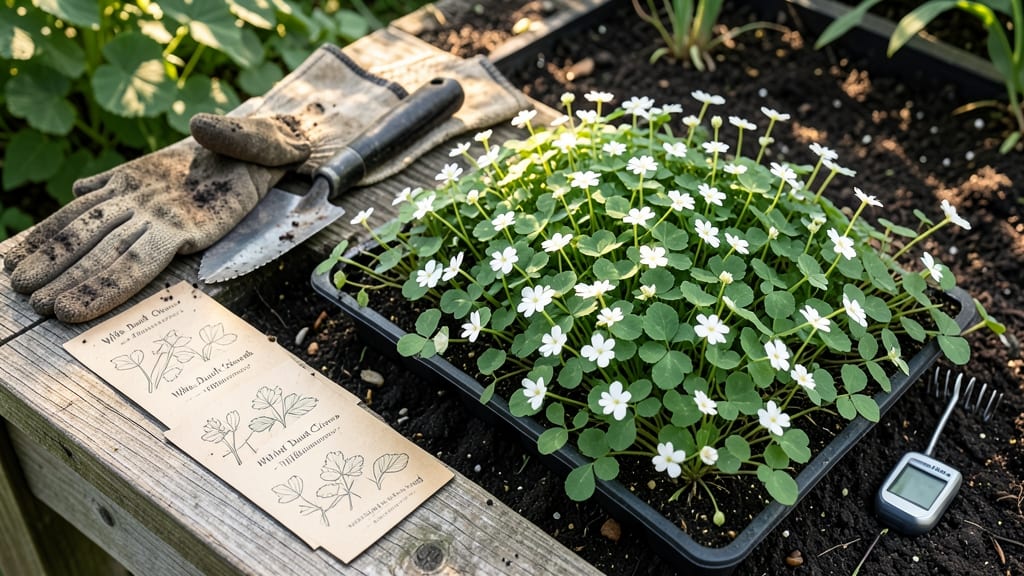
Planting clover in Indiana at the wrong time can leave your lawn patchy and struggling—especially when unpredictable spring weather throws off your timing.
The key to a vibrant, resilient lawn lies in understanding Indiana’s USDA Zone 6a frost-free windows, where early spring or fall planting gives clover the best chance to establish strong roots before summer heat or winter freeze.
Most gardeners in Indiana swear by early spring (March–April) as the prime window, but fall (September–October) can be just as effective if you act before the first frost. I’ve tested both methods in my own yard, and the difference in clover density after just one season is noticeable.
The secret? Planting when soil temperatures hit at least 50°F—that’s when seeds germinate reliably.
Why does timing matter so much? Clover thrives on consistency, and Indiana’s 165 frost-free days give it enough growing season to spread without competition from weeds.
Whether you’re fixing nitrogen in your soil or adding green to a shady spot, getting the timing right means less maintenance and more lush growth. Let’s break down the exact steps to plant clover at the perfect moment for your Indiana climate.
From choosing the right variety (white for drought resistance, red for fast growth) to prepping your soil for Indiana’s often-acidic conditions, I’ll walk you through everything you need to know. Skip the guesswork and turn your lawn into a clover-friendly haven—starting with the right planting window.
Optimal planting windows for clover in Indiana’s USDA Zones 5-6
Indiana’s USDA Zones 5-6 offer two prime windows for planting clover: early spring and early fall. Unlike many plants, clover thrives when soil temperatures hover between 50°F and 70°F (10°C-21°C), making these seasons ideal for germination and establishment.
The last average frost date in Indiana typically falls around April 15 in most areas, but microclimates near lakes or urban zones may experience frost 2-3 weeks later. For fall planting, aim to finish by September 15 to allow roots to establish before winter dormancy.
🌱 Indiana Clover Planting Timeline
| Season | Best Months | Soil Temp | Key Considerations |
|---|---|---|---|
| Spring | March-April | 50°F-65°F (10°C-18°C) | Plant after last frost; avoid wet soil |
| Fall | September-October | 60°F-70°F (15°C-21°C) | 6-8 weeks before first frost; improves soil |
| Avoid | May-July | N/A | Summer heat stresses seedlings; poor germination |
For white clover, which is the most drought-tolerant variety, spring planting in March works well because it establishes quickly before summer heat arrives. Meanwhile, red clover—often used for soil improvement—benefits from fall planting in September to develop deep roots before winter.
Northern Indiana (Zone 5) should wait until mid-April for spring planting, while southern Indiana (Zone 6) can start as early as late March. Always check soil temperature with a thermometer—clover seeds won’t sprout below 50°F (10°C).
If you’re planting Dutch clover for fine-textured lawns, prioritize early spring to avoid competition from summer weeds. This variety is less cold-hardy than white clover, so fall planting risks include poor winter survival in Zone 5.
Pro tip: Use a seed starter fertilizer (5-10-10 NPK ratio) at planting to encourage root growth. In Indiana’s acidic soils, add lime 2-3 weeks before planting to raise pH to 6.0-7.0 for optimal germination.
Remember, clover is a perennial, so establishing it correctly in its first year means fewer weeds and less maintenance in subsequent years. Fall-planted clover often outperforms spring plantings because it avoids summer drought stress.
For urban gardeners, container-grown clover can be planted 2-3 weeks earlier than in-ground plantings, as pots warm up faster in spring. Just ensure containers have drainage holes to prevent root rot during Indiana’s wet springs.
🌱
Optimal planting windows for clover in Indiana’s USDA Zones 5-6
Indiana’s USDA Zones 5-6 offer two ideal windows for planting clover: early spring and early fall. These timings align with soil temperatures and frost patterns to give your clover the best start.
For spring planting, aim for March to April after the last frost date, typically around April 15 in most regions.
Fall planting is equally effective, with September to October being the sweet spot. This allows clover roots to establish before winter dormancy. In Zone 5, where frosts linger longer, prioritize late April to early May for spring, while Zone 6 gardeners can start as early as mid-March.
| Planting Window | USDA Zone 5 | USDA Zone 6 | Soil Temp |
|---|---|---|---|
| Spring Planting | Late April - Early May | Mid-March - April | 50°F+ (10°C) |
| Fall Planting | September - Early October | Late August - October | 60°F+ (15°C) |
| Avoid Planting | June - August | June - August | Heat stress risk |
For white clover, which thrives in drought-prone areas, spring planting is ideal. Red clover, known for its fast growth, benefits from both windows but prefers cooler fall temperatures. Meanwhile, Dutch clover, often used in lawns, establishes best in early spring when soil moisture is consistent.
Indiana’s microclimates can shift planting windows by 1-2 weeks. Southern Indiana (closer to Zone 6) may see earlier frost-free dates, while northern areas (Zone 5) should wait until mid-April at the earliest. Always check your local Indiana State Climate Office for real-time updates.
After planting, maintain consistent soil moisture for the first 4-6 weeks to encourage root growth. Clover seeds need light to germinate, so avoid burying them deeper than 1/4 inch. Mulch lightly with straw to retain moisture and suppress weeds.
Timing isn’t just about frost dates—it’s about giving clover the 6-8 weeks of warm soil needed before summer heat sets in. With the right window, your clover will establish quickly and outcompete weeds, creating a resilient ground cover for years to come. 🌱