
Plants
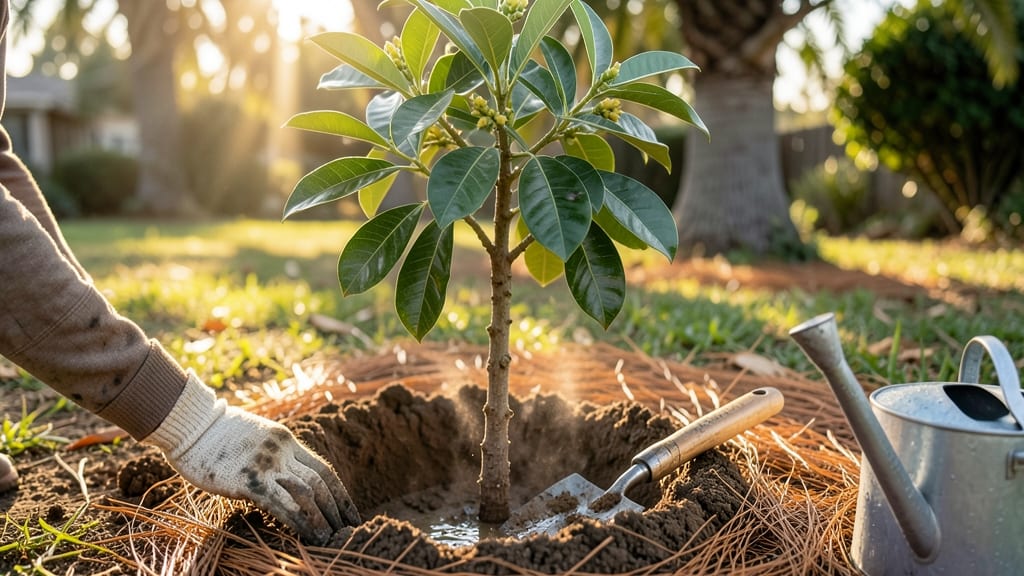
Planting an avocado tree 🥑 in Florida isn’t just possible—it’s a game-changer for your backyard, but timing makes all the difference. Since Florida’s frost-free climate lets you plant year-round, you might think any month works.
The truth? Spring and fall unlock faster root growth and stronger trees, while summer’s scorching heat can shock young roots.
Why does timing matter so much? Avocados thrive in Florida’s 9a-11 zones, but even here, extreme summer heat or hurricane season can stress your sapling. I’ve seen firsthand how planting in the right window—like late spring or early fall—sets your tree up for healthier growth and earlier fruit production.
Let’s break it down: coastal areas have milder winters, while inland zones need extra care during summer’s peak. You’ll learn how to choose the perfect month based on your location, soil prep, and even microclimates that can shift your tree’s success from “struggling” to “thriving.”
Ready to skip the guesswork? I’ll share the exact months to plant, plus pro tips to avoid common mistakes—like planting during hurricane season or ignoring soil drainage. Your avocado tree’s future starts with the right timing.
Optimal Florida planting months for avocado trees by variety
Florida’s frost-free climate means you can plant avocado trees year-round, but timing still matters for root establishment and fruit production. The best months depend on your region—North Florida’s cooler winters vs. South Florida’s intense summer heat.
Let’s break it down by popular varieties like Hass, Fuerte, and Reed, plus Florida’s microclimates.
Spring (March–May) is ideal for most Florida regions because warm soil temperatures promote rapid root growth. In North Florida (Zones 9a–9b), spring planting avoids late-winter cold snaps that can stress young trees. Meanwhile, South Florida (Zones 10a–11) benefits from spring planting to escape the brutal summer humidity and hurricane risks.
For fall planting (September–November), focus on North and Central Florida to give roots time to establish before winter. South Florida’s fall is still hot, but it’s a safer window than summer. Avoid planting during hurricane season (June–November)—strong winds can uproot young trees or damage containers.
Here’s a quick reference for Florida’s planting windows by variety and region:
If you’re in North Florida, prioritize spring planting (March–May) for Hass and Fuerte varieties to avoid late-winter frosts. Central Florida gardeners have flexibility—both spring and fall work well—but spring gives roots a head start before summer’s intensity.
For South Florida, spring is non-negotiable to escape hurricane risks and summer’s oppressive heat.
Container growing changes the game—you can plant year-round in Florida, but move pots to shaded areas during summer’s peak heat (June–August). Just ensure pots have drainage holes and use well-draining soil mixes to prevent root rot.
For bare-root saplings, plant during active growth periods (spring or fall) to minimize transplant shock. If you’re buying potted trees, timing matters less, but avoid the hottest months (July–August) when roots struggle to establish in Florida’s sandy soils.
One common mistake? Planting too late in fall (November–December) in North Florida. While rare, light frosts (below 32°F) can damage young trees. Check your local USDA Zone and historical frost data to stay safe.
For fastest root growth, aim for spring planting in most of Florida. Pair it with well-amended soil and consistent watering, and your avocado tree will thrive in 5–10 years—ready to bear fruit!
How to prepare Florida soil and climate for avocado tree growth
Preparing your Florida soil and climate for an avocado tree 🥑 starts with understanding its needs—well-draining soil, acidic pH (5.5-6.5), and protection from hurricane winds. Florida’s sandy soils often lack organic matter, so amending them is key to helping roots establish quickly.
I’ve found that adding compost or peat moss improves moisture retention while preventing waterlogging, which avocados hate.
If your yard has clay-heavy soil, mix in coarse sand or perlite to break it up. Test your soil’s pH—avocados thrive in slightly acidic conditions. If your soil is too alkaline, use sulfur or pine bark fines to lower the pH gradually.
Don’t rush this step; proper soil prep can mean the difference between a struggling sapling and a thriving tree.
Now, let’s talk climate adjustments. Florida’s humidity and wind can stress young avocado trees, especially during hurricane season (June-November). If you’re planting near the coast, consider a windbreak like a fence or taller native plants to shield your tree.
Mulching with wood chips or pine straw keeps roots cool and retains moisture—critical in Florida’s summer heat.
🌱 Pro Tip: Soil Prep Checklist
- Test soil pH and amend if needed (aim for 5.5-6.5)
- Add 3-4 inches of compost to sandy soil
- Plant in a slightly elevated mound to improve drainage
- Use mulch ring (3-4 inches deep) to retain moisture
- Install a windbreak if near coastal areas
"A well-prepped site gives your avocado tree a 50% better chance of surviving the first critical year."
Don’t overlook the importance of planting location. Choose a spot with 6+ hours of sunlight and shelter from strong afternoon winds. Inland areas like Orlando or Tampa can handle direct sun, while coastal regions like Miami might need partial shade during peak summer months to prevent leaf scorch.
If you’re unsure, observe how sunlight moves across your yard throughout the day.
Finally, consider Florida’s microclimates. North Florida (like Jacksonville) has cooler winters, while South Florida (Miami) stays warm year-round.
Adjust your planting time and soil prep accordingly—North Florida benefits from earlier spring planting, while South Florida can plant almost anytime but should avoid peak hurricane season (August-October) for young trees.
With the right soil prep and climate adjustments, your avocado tree will establish roots faster and start producing fruit sooner. The effort upfront pays off in healthier growth and bigger harvests down the road.
Ready to dig in? Let’s make your Florida yard the perfect home for your new avocado tree! 🌿