
Plants
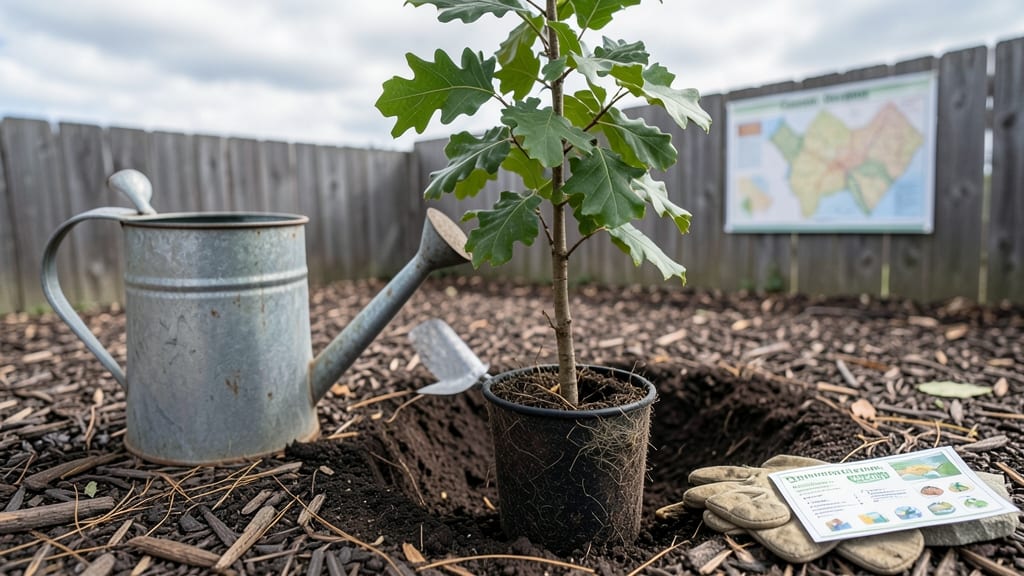
Planting a tree in Colorado at the wrong time can mean the difference between a thriving 🌳 landscape feature and a struggling investment—especially with the state’s dramatic elevation shifts and unpredictable weather.
If you're ready to add a tree to your property but aren't sure when to start, timing is everything. Colorado's unique climate demands precision: planting too early risks frost damage, while waiting too long can leave young roots vulnerable to summer heat.
I've researched the best windows for planting in Colorado's USDA Zones 5-7, and the ideal months are early spring (March-April) or fall (September-October). These periods give trees the perfect balance of moisture and moderate temperatures to establish strong roots.
Whether you're planting a Colorado blue spruce or another native species, understanding your elevation zone and microclimate will help you choose the perfect timing. Let's dive into the details that will set your tree up for long-term success.
Best planting months in Colorado by elevation Zone
Colorado’s diverse elevations—from the Front Range to the mountain regions—create wildly different planting conditions. At lower elevations like Denver (5,000–7,000 ft), you can plant as early as March, while high-altitude areas (8,000+ ft) often wait until May due to late snowmelt.
Timing isn’t just about frost; it’s also about soil temperature and rainfall patterns that vary drastically across the state.
Fall planting is another golden window, but it must happen 6–8 weeks before the first frost—typically by mid-October in most zones. In Zone 5 (eastern plains), this means September is ideal, while Zone 7 (southern Colorado) can stretch into early October.
The key is giving roots time to establish before winter dormancy sets in.
Here’s how to match your elevation to the perfect planting window:
| Elevation Zone | Best Planting Months | Key Considerations |
|---|---|---|
| Front Range (5,000–7,000 ft) | March–April (spring) September–October (fall) |
Soil thaws by mid-March; avoid late frosts (April 15 avg). |
| Foothills (7,000–8,500 ft) | April–May (spring) August–September (fall) |
Wait for soil warmth (50°F+); first frost Oct 1–15. |
| Mountains (8,500–10,000+ ft) | May–June (spring) July–August (fall) |
Snowmelt delays planting; short growing season (60–90 days). |
Spring planting in Colorado gives trees a full growing season to establish roots before winter. For bare-root trees, aim for March–April when soil is workable but not waterlogged. Container-grown trees can handle slightly later planting (up to May) since their roots aren’t exposed to cold.
Fall planting, however, is often more successful because cooler temperatures reduce transplant shock and encourage root growth. The 6–8 week rule before frost ensures roots harden off naturally. In drier regions like the Western Slope, fall planting aligns with monsoon rains, giving young trees a hydration boost.
One critical mistake is planting too early in high-altitude zones. Soil at 9,000 ft may still be frozen in April, stalling root development. Use your finger to check soil temperature—it should be at least 50°F at 6 inches deep before planting.
For container-grown trees, this rule is less strict, but avoid planting when daytime temps drop below 40°F.
Colorado’s microclimates mean your neighbor’s perfect planting time might not work for you. For example, Boulder’s urban heat island can push spring planting 2–3 weeks earlier than nearby Evergreen.
Check local CoCoRaHS weather stations or your county extension office for hyper-local frost data. A 5°F temperature drop can delay planting by weeks in mountainous areas.
If you miss the ideal window, don’t panic. Late spring (May–June) is still viable for container-grown trees, especially in Zone 6–7. Just be prepared for more frequent watering and shade cloth protection during heatwaves.
The worst time? July–August—Colorado’s drought and intense sun make transplanting high-risk for young trees.
Pro tip: Mulch heavily (3–4 inches) after planting to regulate soil temperature and retain moisture. Use wood chips or straw, but keep mulch 6 inches away from the trunk to prevent rot.
Pair this with a deep watering schedule (10–20 gallons per tree) to give your new tree the best start, regardless of when you plant it.
🌳
Critical factors that determine tree planting success in Colorado
Colorado’s dramatic elevation changes and unpredictable weather mean timing isn’t the only factor—soil temperature, moisture, and species hardiness play equally critical roles. Planting too early risks frost damage, while waiting too long delays root establishment before winter dormancy.
First, check soil temperature—roots need 45°F+ soil to grow actively. Use a soil thermometer at 6 inches deep; if it’s colder, wait. Moisture levels matter too: dry soil in spring or fall can stress young trees, while soggy conditions invite root rot.
Species hardiness is non-negotiable. A Colorado blue spruce thrives at 6,000–9,000 ft, but a cottonwood struggles above 5,000 ft. Always match your tree to your USDA Zone (5–7) and local microclimate.
🌱
⚠️ Common Mistakes to Avoid
- Planting in summer: Heat stress kills young roots before they establish.
- Ignoring wind exposure: Mountain areas need windbreaks for saplings.
- Skipping mulch: Protects roots from temperature swings and evaporation.
- Over-fertilizing: New trees need balanced nutrients, not heavy doses.
Pro tip: Water deeply after planting to eliminate air pockets in soil.
Another critical factor is root ball preparation. Bare-root trees need soaking for 1–2 hours before planting, while container-grown trees benefit from root pruning if roots circle the pot. Prune suckers and damaged branches immediately to redirect energy to root growth.
Finally, monitor weather forecasts for the next 10 days. A late frost in May or an early snow in October can undo months of effort. Use frost cloth for young trees in high-risk zones.
By combining optimal timing with these factors, your Colorado tree will establish strong roots and thrive for decades. 🌳