
Plants
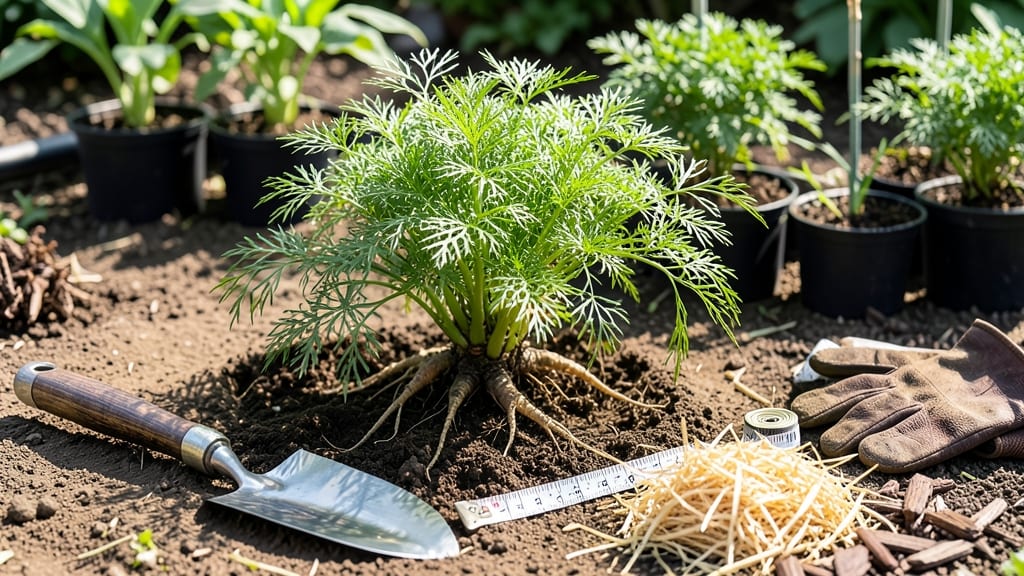
Planting asparagus in Alabama isn't just about timing—it's about outsmarting the state's unpredictable frost and humidity to grow spears that thrive for decades. The perfect window starts as early as late February, when soil temperatures hit 40°F and the last frost lingers just beyond the horizon.
Most gardeners make the mistake of waiting too long, only to watch their crowns struggle or rot in Alabama's sticky spring air. But with the right cold-hardy varieties and soil prep, you can bypass these pitfalls entirely.
I'll show you exactly how to plant asparagus crowns—or seeds—so they establish strong roots before summer's heat arrives.
Here's the game-changer: Alabama's 7b-8a climate demands patience, but the payoff is worth it. While it takes 2-3 years before your first harvest, once established, asparagus beds produce for 15+ years with almost no maintenance. Let's get your garden set up for success from day one.
We'll cover the best months to plant, how to prep your soil for Alabama's clay-heavy dirt, and which varieties handle our heat like a pro. Ready to turn your yard into a perennial asparagus powerhouse? Let's dig in.
Best planting months for asparagus in Alabama’s climate zones (7a-8b)
Alabama’s USDA zones 7a-8b offer a unique challenge for asparagus growers—mild winters and late frosts demand precise timing. Unlike northern states, you can plant asparagus as early as February in southern Alabama, but northern regions like Huntsville should wait until March or early April to avoid frost damage.
The key is planting when soil temperatures hit 40°F+ and stay consistent.
Most Alabama gardeners opt for late winter to early spring planting, but timing varies by microclimate. Urban areas like Birmingham often experience heat islands that warm soil faster, while rural areas near the Tennessee border may face late frosts into April.
Check your local Alabama Extension Service frost date maps to fine-tune your schedule.
Here’s the golden window for planting asparagus crowns in Alabama:
| Zone | Best Planting Month | Soil Temp Threshold | Notes |
|---|---|---|---|
| 7a (North AL) | March 15–April 15 | 40°F+ | Wait for last frost; mulch heavily. |
| 7b (Central AL) | February 28–March 31 | 40°F+ | Urban areas may plant earlier. |
| 8a (South AL) | February 1–March 15 | 45°F+ | Faster growth; watch for humidity. |
If you miss the spring window, you can plant asparagus in late summer (August) for a fall harvest, but this method yields smaller spears the first year. The trade-off? Less competition from weeds and a head start on root establishment before winter.
Pro tip: Use a soil thermometer to confirm readiness. Asparagus crowns rot in cold, wet soil, so wait until the ground warms consistently—even if calendar dates suggest otherwise. Alabama’s clay-heavy soils in some regions (like Montgomery) drain poorly, so amend with compost or sand to prevent waterlogging.
Remember, asparagus is a perennial with a 3-year establishment period. Planting at the right time ensures your crowns develop strong roots before producing spears. Patience pays off with decades of harvests if you avoid these timing mistakes.
For extra protection, consider a light frost cloth if planting in late February, especially in zone 7a. This simple step can save your crop from unpredictable late frosts that hit northern Alabama in March.
🌱
Best planting months for asparagus in Alabama’s climate zones (7a-8b)
Alabama’s USDA zones 7a-8b offer a narrow window for planting asparagus crowns—timing is everything to avoid frost damage or overheating in summer. The ideal planting window spans from late February to early April, when soil temperatures consistently reach 40°F+ and frost risks drop below 10%.
Urban areas like Birmingham may plant 1-2 weeks later due to heat islands, while rural zones like Huntsville can start earlier.
For crown planting, aim for March—this gives roots time to establish before Alabama’s summer heat peaks. If you miss this window, fall planting in October is possible but riskier due to winter rains and potential crown rot.
Seed-starting indoors in January lets you transplant in March, but crowns are far easier for beginners.
Here’s how Alabama’s microclimates affect your timing:
| Region | Last Frost Date | Best Planting Month | Soil Prep Tip |
|---|---|---|---|
| North Alabama (7a) | Mid-March | Late February–March | Add compost to cool soil faster |
| Central Alabama (7b) | Early March | March–early April | Test pH (aim for 6.5–7.0) |
| South Alabama (8a) | Late February | March–April | Mulch to retain moisture |
| Urban Heat Islands (Birmingham/ Montgomery) | Early April | April (delayed) | Use shade cloth for young plants |
Pro tip: Check Alabama’s Alabama Extension Service frost maps for your exact county—some areas like Anniston average 3°F colder nights than Mobile. If planting in April, water deeply every 3 days to offset heat stress. Avoid planting after April 15th—summer’s 90°F+ temps can shock young crowns.
For fall planting, wait until October 1st or later to allow roots to establish before winter rains. Use a raised bed if your soil drains poorly—Alabama’s clay-heavy soils can suffocate asparagus roots. Amend beds with sand and compost for optimal drainage.
Remember: Asparagus is a perennial with a 3-year wait for harvest. Planting at the right time ensures your crowns survive and your spears thrive for decades. Patience pays off—literally! 🌱