
Plants
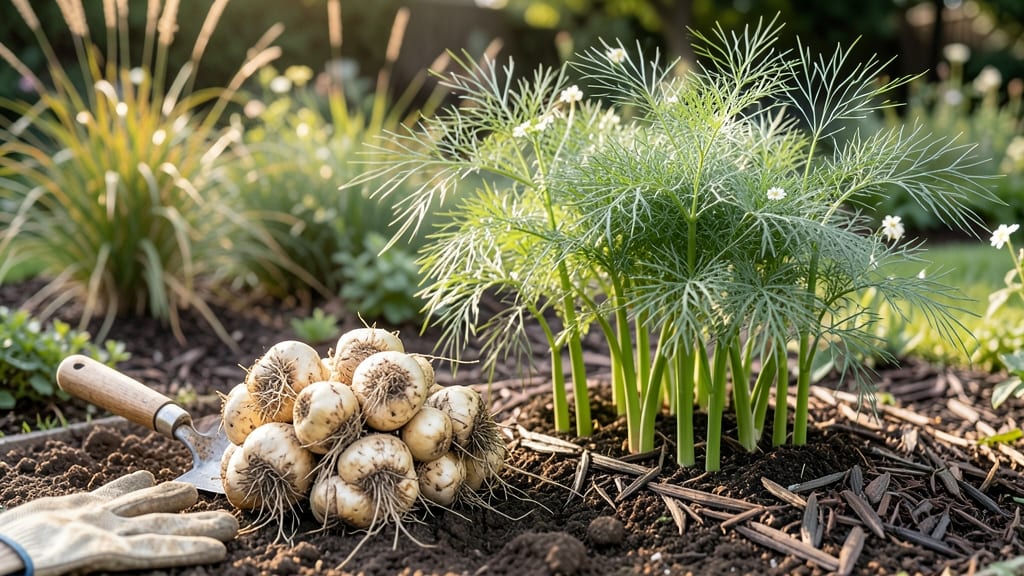
Planting asparagus at the wrong time in Kentucky can mean waiting three years for your first harvest—so getting the timing right is the key to success. The 6a climate here demands precision, and even a few weeks off can set your crop back.
Whether you're starting with crowns or seeds, knowing exactly when to plant ensures your 🌱 asparagus establishes strong roots before summer heat arrives.
Most gardeners in Kentucky plant asparagus in early spring, but there’s a trickier option for those who prefer fall planting. The secret lies in soil temperature—wait until the ground cools to 50°F or below, usually by late September or early October.
This timing helps prevent early sprouting, which can weaken young plants before winter sets in.
If you’re planting in spring, aim for March to April, once the last frost has passed (typically around March 15 in most of the state). For faster growth, pre-sprout your crowns indoors for 4-6 weeks before transplanting—they’ll hit the ground running once temperatures stabilize.
Once planted, asparagus is low-maintenance, but the first year is all about patience. No harvests will come your way until year two or three, but with the right timing, you’ll be rewarded with tender spears by late spring.
Let’s break down the exact steps to set yours up for success.
Best planting months for asparagus in Kentucky (with frost-date breakdown)
Kentucky’s USDA Zones 6-7 offer perfect conditions for growing asparagus, but timing your planting window is critical. The last frost date typically falls between March 15 and April 15, depending on your region.
Planting too early risks frost damage, while waiting too long delays your first harvest by a full season.
For crown planting (the most common method), aim to plant 3-4 weeks before your last frost date. In Kentucky, this means early March to mid-April for most areas.
If you’re planting seeds, start them indoors 8-10 weeks before the last frost, then transplant seedlings outdoors after the soil warms to 50°F (10°C).
Fall planting is also possible in Kentucky’s milder microclimates, but it requires careful timing. Plant 6-8 weeks before the first frost (usually late September to early October) to allow crowns to establish roots before winter. This method can give you a head start on harvests the following spring.
Here’s a quick breakdown of your planting timeline based on Kentucky’s climate:
Soil temperature is just as important as air temperature. Use a soil thermometer to confirm the ground has warmed to at least 50°F (10°C) before planting. In Kentucky’s clay-heavy soils, amending with compost or sand improves drainage and prevents rot.
If you’re in Northern Kentucky (Zone 6a), err on the side of planting later in March or early April to avoid late frosts. Southern Kentucky (Zone 7a) gardeners can plant as early as mid-February in microclimates with early warming.
Pro tip: Mark your last frost date on your calendar and count backward. For crowns, this means planting in early March for a May harvest in the following year.
Patience is key—asparagus takes 2-3 years to establish before full production, but proper timing ensures you’re not waiting longer than necessary.
Once planted, mulch heavily with straw or wood chips to protect crowns during Kentucky’s unpredictable spring frosts. This simple step can mean the difference between a thriving patch and a failed crop.
🌱
Best planting months for asparagus in Kentucky (with frost-date breakdown)
Kentucky’s USDA Zones 6-7 create a tricky balance for asparagus—too early, and frost zaps tender crowns; too late, and your plants won’t establish before summer heat. The ideal window is 3-4 weeks before your last frost date, typically mid-March to early April across most of the state.
For northern Kentucky (Zone 6a), aim for late March, while southern regions (Zone 7a) can start in early March.
Most gardeners plant 1-year-old crowns (not seeds) for faster harvests. These pre-grown roots need 60-70°F soil temperatures to sprout, which Kentucky usually hits by mid-April. If you miss spring, you can try fall planting (September-October), but success depends on soil staying above freezing until winter dormancy sets in.
🌱 Pro Tip: Use a soil thermometer to confirm 50°F+ soil temps before planting—this prevents crown rot from cold, soggy ground.
| Planting Method | Best Months | Soil Temp Requirement | Prep Steps |
|---|---|---|---|
| Crowns (Recommended) | Mid-March to early April | 50-70°F | Loosen soil 12" deep, add compost |
| Seeds (Advanced) | April (after last frost) | 60-70°F | Start indoors 8-10 weeks before transplant |
| Fall Planting (Risky) | September-October | 45-55°F | Mulch heavily after planting |
⚠️ Warning: Fall-planted crowns may not survive Kentucky’s winter freezes—only attempt if your soil rarely drops below 20°F.
For Kentucky’s clay-heavy soils, amend beds with sand or compost to improve drainage—waterlogged roots cause crown rot. Space crowns 12-18 inches apart in trenches 6-8 inches deep, then cover with 3 inches of soil until establishment. After sprouting, gradually mound soil to encourage thicker spears.
🌡️ Climate Hack: Use black plastic mulch in early spring to warm soil faster, giving you a 2-week head start on the planting window.
Remember: Year 1 is all about root growth—no harvesting! Your patience pays off in Year 2-3 with 20+ spears per plant. Mark your calendar for March 15-April 15 and set those crowns in the ground—your future harvest depends on it!