
Planting
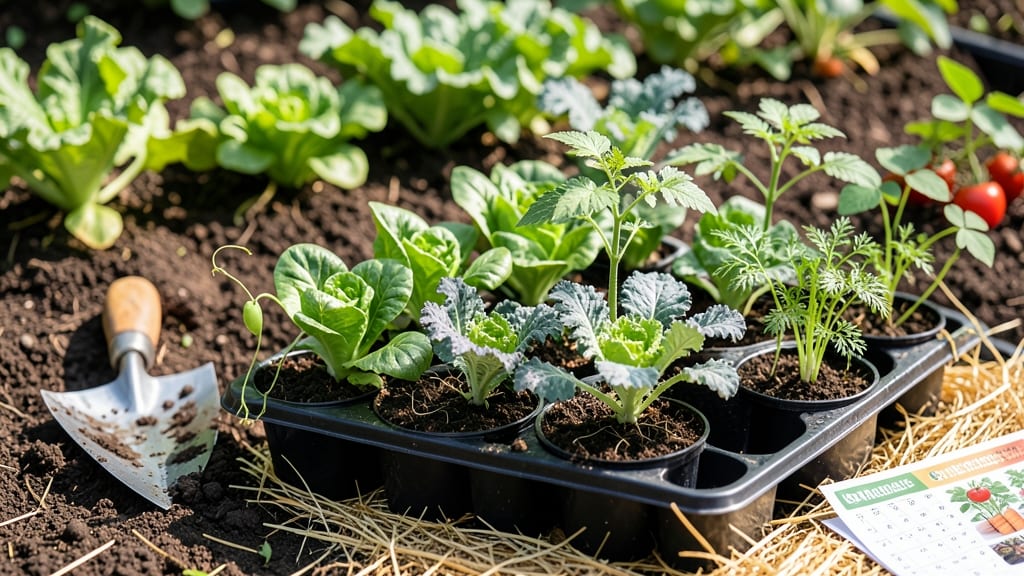
Timing your vegetable garden 🥬 just right in Northern California can mean the difference between a bumper crop and a frost-killed flop—especially when coastal fog delays and inland heat waves throw off the usual planting calendar.
With USDA zones 8a-10a across the region, you can’t just follow a one-size-fits-all guide. Whether you’re in Sacramento’s Zone 8a or San Francisco’s Zone 9b, knowing when to plant cool-season crops like broccoli or heat-lovers like tomatoes is the key to avoiding last-minute freezes or wilting vines.
I’ve spent years tracking frost dates and testing planting windows, and what I’m about to share will help you sync your garden with Northern California’s 180-300 frost-free days—so you can harvest fresh produce from spring through fall without the guesswork.
Let’s break down the exact deadlines for your microclimate, from coastal delays to inland heat islands, so you can start planting with confidence and avoid the most common mistakes.
Northern California planting zones: USDA Zone 8-10 deadlines for zero-frost vegetables
Northern California spans USDA Zones 8a-10a, but the real magic happens in understanding your local frost-free dates. Inland valleys like Sacramento (Zone 8a) can have last frost dates as early as January 15, while coastal areas like San Francisco (Zone 9b) often wait until March 1.
These differences mean your tomato plants might thrive 4 weeks earlier in the Central Valley than in Marin County!
For heat-loving crops like peppers, eggplants, and okra, the window opens 2-4 weeks after your last frost date. In Zone 10a (e.g., coastal Mendocino), you might start planting in early February, while Zone 8a gardeners should wait until mid-March.
Cool-season crops like broccoli, kale, and carrots can handle fall planting until October 1 in most regions.
Here’s how to align your planting with Northern California’s frost-free zones, ensuring your vegetable garden avoids the dreaded late-spring freezes that wipe out tender seedlings. The key is knowing your local microclimate—even neighborhoods just 5 miles apart can have 2-week differences in frost dates!
| Region | USDA Zone | Last Frost Date | First Frost Date | Plant Warm Crops | Plant Cool Crops |
|---|---|---|---|---|---|
| Sacramento Valley | 8a | January 15 | November 15 | March 15-April 1 | August 15-October 1 |
| San Francisco Bay Area | 9b | March 1 | December 1 | April 15-May 1 | September 1-November 1 |
| Coastal Mendocino | 10a | February 1 | January 1 | February 15-March 1 | August 1-October 15 |
| Mountain Foothills (1000+ ft) | 7b-8a | March 1 | October 30 | April 15-May 1 | July 15-September 15 |
If you’re in Zone 8a (like Sacramento), your tomato seedlings should be ready to transplant by April 1. But if you’re in Zone 10a (like coastal Humboldt), you can start direct-sowing cucumbers in February.
The table above breaks down the critical planting windows for both warm-season and cool-season crops, so you can avoid the heartbreak of frost-nipped seedlings.
For coastal gardeners, the fog delay means your spring planting might need to wait until mid-April for warm crops like peppers and basil. Meanwhile, inland gardeners can start 2-3 weeks earlier thanks to warmer nights.
Always check your local weather station for 10-day forecasts—a late frost can push your planting back by weeks.
Pro tip: Use frost-sensitive varieties like ‘Early Girl’ tomatoes or ‘Sweet Banana’ peppers for Zone 8a, as they mature faster than heirlooms. In Zone 10a, you can even grow year-round with minimal frost protection, like row covers for winter greens.
Don’t forget to harden off seedlings for 10-14 days before transplanting, especially if moving from a greenhouse or indoor start to your garden bed. This acclimation period helps prevent transplant shock in fluctuating Northern California weather.
For fall planting, aim to get cool-season crops in the ground by early September in Zone 8a or mid-October in Zone 10a. This gives them time to mature before first frost. Use succession planting to stagger lettuce, radishes, and carrots every 2-3 weeks for continuous harvests.
Remember: Northern California’s microclimates are your greatest ally. A 100-foot elevation gain can shift your planting window by 1-2 weeks, so always adjust for your specific location. With these zone-specific deadlines, your vegetable garden will be thriving—not freezing—all season long!
Microclimate adjustments: how fog, altitude, and urban heat islands shift planting timing
Northern California’s microclimates can shift planting deadlines by weeks—sometimes even months. Coastal areas like San Francisco often experience delayed spring planting due to lingering fog, while inland valleys like Sacramento may see earlier harvests thanks to warmer soil. Understanding these variations ensures your vegetable garden thrives, not just survives.
For example, coastal fog can delay soil warming by 2-3 weeks, meaning tomatoes and peppers planted in early March might still face chilly nights. Meanwhile, inland areas like Stockton or Fresno can safely plant heat-lovers like okra or sweet potatoes as early as late February.
Altitude also plays a role—every 1,000 feet gained can push planting back by 1-2 weeks due to cooler temperatures.
🌱
📌 Microclimate Adjustments for Northern California
- Coastal Fog Zones (SF, Santa Cruz): Plant warm-season crops 2-3 weeks later than inland areas. Use row covers to warm soil faster.
- Inland Valleys (Sacramento, Stockton): Start heat-loving plants 1-2 weeks earlier. Soil warms faster, reducing frost risk for tomatoes and peppers.
- Mountain Regions (1,000+ ft elevation): Delay planting by 2-3 weeks. Cooler nights slow growth—prioritize cold-hardy crops like kale or carrots.
- Urban Heat Islands (Oakland, Berkeley): Plant fast-maturing varieties to avoid summer heat stress. Mulch heavily to retain moisture.
Pro Tip: Use a soil thermometer—ideal planting temps for warm crops are 60°F+.
Urban heat islands—like those in Oakland or Berkeley—can create microclimates where soil temperatures rise faster than surrounding rural areas. This means you might plant cucumbers or zucchini 1-2 weeks earlier in these zones, but you’ll also need to water more frequently to prevent stress.
Conversely, shaded urban gardens (e.g., under trees) may require partial-shade crops like lettuce or spinach to avoid bolting.
To adapt, I recommend testing your soil temperature before planting. Use a soil thermometer to confirm when it’s safe to plant heat-sensitive crops. For coastal gardeners, extend your season with cold frames or cloche tunnels to protect young plants from unexpected late frosts.
Inland gardeners can push harvests later by using drip irrigation to keep roots cool during summer heatwaves.
Finally, pay attention to historical weather patterns in your specific area. Websites like the Western Regional Climate Center provide local frost data, while apps like PlantNet offer microclimate-specific planting guides. By fine-tuning your approach, you’ll turn Northern California’s climate quirks into advantages for a bountiful harvest. ✂️