
Planting
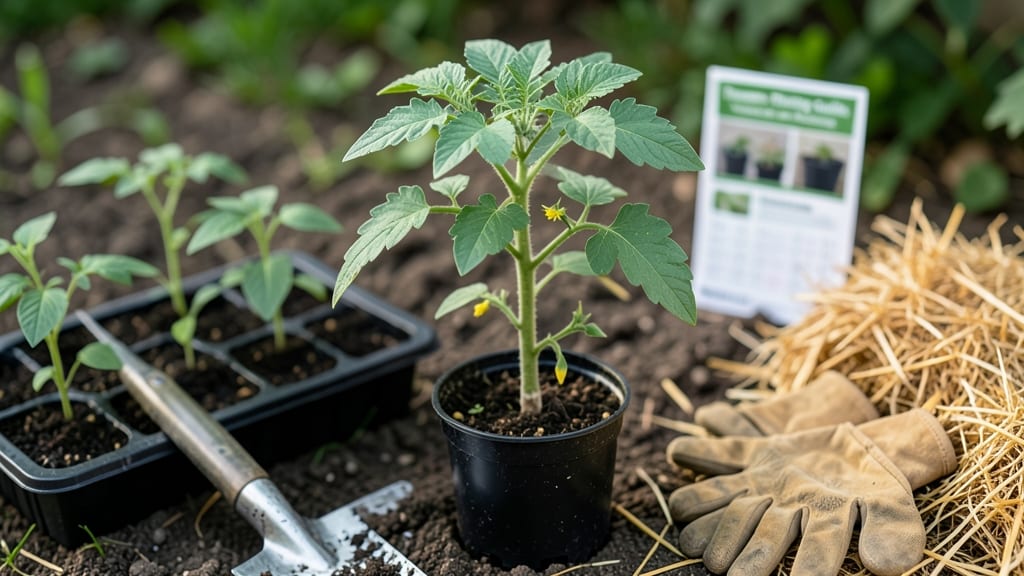
Planting your garden at the right time in Zone 7 isn’t just about following a calendar—it’s about syncing with soil temperatures and frost-free dates to give your 🌱 plants the best shot at thriving.
Get it wrong, and you might end up with bolted lettuce or stunted tomatoes, no matter how much love you pour into the soil.
I’ve learned the hard way that timing matters more than most gardeners realize. Whether you’re sowing cool-season crops like spinach or warm-season favorites like peppers, the difference between a 30-day harvest and a wasted seed packet often comes down to planting just a few weeks too early or late.
Let’s break down exactly when to plant for peak yields in your region.
Zone 7 spans from the foothills of the Appalachians to the plains of the Midwest, and even within this zone, frost dates can shift by weeks. Northern parts of Zone 7 might still see frost in early May, while Southern areas could be frost-free by March.
That’s why I’ll share the soil temperature rules and frost-free timelines you need to know—plus how to adjust if Mother Nature throws a curveball.
By the end, you’ll have a clear roadmap for planting everything from early spring greens to late-summer tomatoes, with tips to extend your growing season and avoid common pitfalls. Ready to turn your garden dreams into reality?
Zone 7 planting timeline by soil temperature & frost dates
In Zone 7, your planting schedule hinges on two critical factors: average last frost dates (typically March 15–April 15) and soil temperature thresholds for different crops.
Northern Zone 7 areas (e.g., Virginia, Tennessee) may experience frost until April 15, while Southern regions (e.g., North Carolina, Georgia) often see frost-free soil by March 15. Always check your local USDA frost maps for precision.
Cool-season crops like kale, spinach, and peas thrive when soil temps reach 35–40°F, while warm-season favorites such as tomatoes, peppers, and cucumbers need soil at 60°F or warmer.
Using a soil thermometer ensures you plant at the perfect time—don’t guess! I’ve learned the hard way that planting tomatoes too early in 50°F soil stunts their growth.
Here’s how to align your planting with Zone 7’s seasonal rhythm: - Spring: Start cool-season crops 4–6 weeks before last frost (early March). - Summer: Plant warm-season crops 2–3 weeks after last frost (mid-April to early May). - Fall: Sow cool-season crops 60–90 days before first frost (mid-August to early October).
For Northern Zone 7, err on the side of caution—wait until April 15 for warm-season crops. In Southern Zone 7, you can plant tomatoes as early as mid-March if soil temps are ideal. Always monitor 7-day forecasts for late frosts, especially in elevated areas where cold air settles.
Pro tip: Use row covers or cold frames to extend your spring planting window by 2–4 weeks. I’ve successfully grown spinach and radishes in early February by protecting them with a simple floating row cover. This trick adds precious weeks to your harvest season!
For warm-season crops, wait until nighttime temps consistently stay above 50°F. Planting tomatoes or peppers too early in cool soil leads to blossom end rot or stunted growth. Always harden off seedlings for 7–10 days before transplanting to avoid shock.
Zone 7’s fall planting is often overlooked but can yield just as much as spring. Focus on fast-maturing crops like radishes (30 days) and arugula (45 days) to harvest before frost. I’ve had great success with Brussels sprouts planted in late August—they sweeten in the cool weather!
Remember: Soil temperature > air temperature. A sunny day in March might feel warm, but if the soil is still below 50°F, your warm-season crops will struggle. Invest in a soil thermometer—it’s a game-changer for precision planting.
Finally, succession planting is key in Zone 7. Instead of one big planting, sow lettuce every 2 weeks from March to October. This ensures a continuous harvest and maximizes your garden’s potential. My herb spiral stays productive year-round with this method!
Best vegetables to plant in Zone 7 by season (with exact months)
Zone 7 gardeners enjoy a longer growing season than many regions, but timing is everything. Planting at the right time ensures your tomatoes, peppers, and greens thrive instead of wilt under heat or frost.
Below are my top-performing crops for Zone 7, broken down by season with exact months to maximize your harvest.
For spring planting, focus on cool-season crops like lettuce, peas, and spinach. These can handle soil temps as low as 35°F and should go in the ground 4–6 weeks before your last frost date (typically mid-March).
Warm-season crops like tomatoes and cucumbers need to wait until after the last frost, usually mid-April to early May, when soil temps hit 60°F+.
🌱 Spring Planting (March–May)
- Peas – February–March (sow directly; loves cool weather)
- Lettuce & Spinach – March–April (harvest before bolting)
- Onions & Garlic – February–March (plant sets or seeds)
- Carrots – March–April (loose, well-drained soil is key)
- Broccoli & Cauliflower – March–April (transplant seedlings)
Summer brings heat-loving crops that need consistent warmth to thrive. Plant tomatoes, peppers, and beans in late April to early June once soil temps stay above 60°F. Succession planting is your secret weapon here—sow bush beans and zucchini every 2 weeks for a continuous harvest through August.
Don’t forget squash and corn, which also love the summer heat but need plenty of space to sprawl.
☀️ Summer Planting (May–July)
- Tomatoes – April 15–May 15 (transplant after frost)
- Peppers – April 30–May 15 (start indoors early)
- Cucumbers & Zucchini – May 1–June 1 (sow every 2 weeks)
- Green Beans – May 15–June 15 (direct sow or transplant)
- Corn – May 1–June 1 (plant in blocks for pollination)
Fall is my favorite season for Zone 7 gardens because it’s cooler but still productive. Plant kale, Brussels sprouts, and radishes in August for harvests through November. These cold-hardy crops can handle light frosts, and some (like garlic) even taste sweeter after a chill.
For warm-season holdovers, like tomatoes and peppers, use row covers to extend their season until October.
🍂 Fall Planting (August–October)
- Kale & Spinach – August–September (harvest before hard frost)
- Brussels Sprouts – August 1–September 15 (needs long season)
- Radishes – August–September (fast-growing, great for kids)
- Carrots & Beets – August 15–September 15 (cover with row fabric)
- Garlic – October (plant cloves for next year’s harvest)
Pro tip: Use succession planting for leafy greens and radishes—sow new seeds every 2 weeks to keep the harvest rolling in. And always check your local frost dates—Zone 7 can vary from Northern Virginia to Texas, so adjust by 1–2 weeks if you’re in a cooler microclimate.
With this schedule, you’ll have fresh produce from spring to fall without gaps!