
Planting
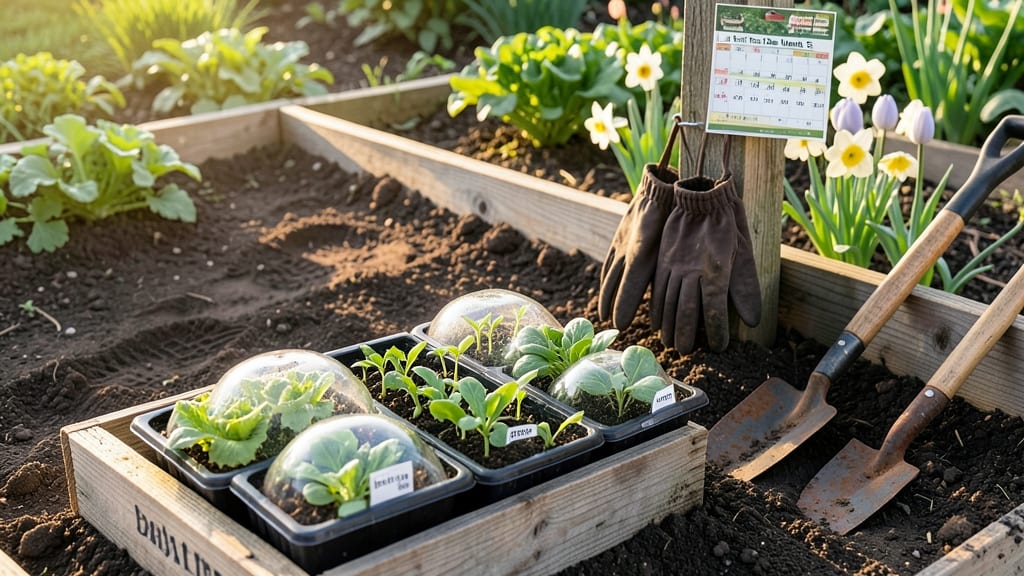
Timing when to plant a garden in Pennsylvania isn’t just about following a calendar—it’s about beating frost, embracing the state’s diverse zones, and unlocking peak harvests from your 🌱 efforts.
Whether you're in Pittsburgh's chilly valleys or Philadelphia's warmer pockets, planting too early or late can mean the difference between a bumper crop and a sad, wilted disappointment.
I've spent years tracking Pennsylvania's planting windows, and what I've learned is that the right moment depends on more than just the month—it's about soil temperature, last frost dates, and even your neighborhood's microclimate.
Let me show you exactly when to start seeds indoors, when to transplant seedlings, and which vegetables thrive in each of Pennsylvania's USDA zones.
From cool-season greens in early spring to heat-loving tomatoes in summer, we'll cover it all with a zone-specific approach. You'll discover how to adjust for unpredictable weather, extend your growing season, and even troubleshoot common mistakes that derail gardens before they get started.
Ready to transform your backyard into a thriving garden? Let's dive into the precise planting schedule that will have your 🌱 flourishing from spring through fall—no guesswork required.
Pennsylvania planting zones: when to start seeds indoors vs. outdoors
Pennsylvania spans USDA zones 4 through 7, meaning your planting timeline depends heavily on where you live.
In zone 4 (northern PA like Erie), last frost dates can be as late as May 20th, while zone 7 (southern PA like Philadelphia) often sees frost-free soil by April 15th. Understanding these differences is key to avoiding frost damage and maximizing your garden's potential.
Most Pennsylvania gardeners start seeds indoors 6-8 weeks before the average last frost date. For cool-season crops like spinach and peas, you can even direct sow as early as March in zone 7 or April in zone 4.
Meanwhile, warm-season plants like tomatoes and peppers need soil temperatures above 60°F before transplanting, which typically happens in late May to early June.
Here’s how to align your planting with Pennsylvania’s zones and microclimates:
| Zone | Last Frost Date | Start Seeds Indoors | Transplant Outdoors | Direct Sow |
|---|---|---|---|---|
| 4 (Erie, Scranton) | May 20 | March 15-April 1 | May 15-June 1 | April 15-May 10 |
| 5 (Pittsburgh, State College) | May 5 | March 1-April 15 | May 1-May 30 | March 20-April 30 |
| 6 (Harrisburg, Lancaster) | April 15 | February 15-March 30 | April 15-May 15 | February 20-April 15 |
| 7 (Philadelphia, Reading) | April 1 | January 15-February 28 | March 15-April 30 | January 20-March 20 |
*Adjust dates 1-2 weeks earlier for urban heat islands or later for high-elevation areas.
Urban gardeners in cities like Philadelphia or Pittsburgh often experience microclimates that warm up faster than rural areas. If you’re planting in containers or raised beds, these spots can be 2-3°F warmer than surrounding soil, allowing you to plant 1-2 weeks earlier.
Conversely, mountainous regions like the Poconos may need you to delay planting by 10-14 days to avoid late frosts.
For herbs like basil and cilantro, timing is critical. Basil thrives in warm soil and should only be planted after May 15th in zone 5, while cilantro bolts in heat and does best when sown in early spring or late summer.
Pay attention to soil temperature—use a soil thermometer to confirm it’s 50°F or warmer before planting warm-season crops.
Pro tip: Use row covers or cold frames to extend your growing season. These can push your last frost date back by 2-3 weeks, giving you more time to grow cool-season crops like lettuce and carrots. Just remember to remove covers once plants flower to allow pollination.
If you’re unsure about your exact last frost date, check the Penn State Extension’s frost date map or use a local weather station’s 10-year average.
For example, State College (zone 6) averages its last frost on May 5th, but in 2022, it hit May 20th—so always have a backup plan for late frosts.
For perennials like asparagus or rhubarb, plant crowns in early spring (March-April) so they establish roots before summer heat. These plants need 2-3 years to mature, so starting them early ensures a longer harvest window in future seasons.
Finally, don’t overlook container gardening for shorter seasons. Containers warm up faster and can be moved to sheltered spots during late frosts. This is especially useful for zone 4 gardeners who want to grow tomatoes or peppers despite a shorter season.
Best month-by-month planting schedule for Pennsylvania gardens
Pennsylvania’s spring planting kicks off in March, but timing varies by USDA zone. In Zone 4 (northwest mountains), wait until mid-May for frost-sensitive plants like tomatoes, while Zone 7 (southeast) can start as early as late April.
Cool-season crops like spinach and peas thrive when soil hits 40°F, often by early April in most regions.
Summer planting in Pennsylvania peaks in June and July, focusing on warm-season vegetables like beans, squash, and corn. These crops need soil temperatures above 60°F to germinate.
For fall harvests, start planting broccoli and kale by early August—they’ll mature before first frost (typically mid-October in Zone 5).
Succession planting is key to extending harvests. For example, sow lettuce every 2 weeks from April to July to enjoy fresh greens all summer. Similarly, replant bush beans every 3 weeks in June and July for a continuous supply. This strategy works especially well in Zone 6 and 7, where growing seasons are longer.
- March-April: Start cool-season seeds indoors (e.g., tomatoes, peppers). Direct sow peas, spinach, and lettuce outdoors when soil warms to 40°F.
- May: Transplant seedlings (e.g., cabbage, broccoli) after last frost. Direct sow carrots, radishes, and beans.
- June-July: Plant warm-season crops like squash, cucumbers, and corn. Begin fall succession with kale and beets.
- August-September: Sow cool-season crops for fall harvest (e.g., spinach, garlic). Protect with row covers if frost threatens.
- October: Plant garlic and onion sets for next year’s harvest. Cover soil with mulch to preserve warmth.
For herbs, basil and cilantro prefer warm soil and should wait until late May, while parsley and chives tolerate cooler temps and can go in early spring. In Zone 4, extend the season with cold frames or greenhouses to start tender herbs indoors by February.
Container gardening is ideal for short-season areas like Pittsburgh (Zone 6). Move pots indoors or to garages during late fall to overwinter herbs like thyme and rosemary.
For flowers, plant annuals like marigolds and zinnias after last frost (typically mid-May), while perennials like daylilies can go in early spring.
Pro tip: Use a soil thermometer to confirm planting times. Cool-season crops need soil at 40-50°F, while warm-season plants thrive at 60-70°F. Adjust for microclimates—urban areas may be 5°F warmer than rural spots due to heat islands. 🌱