
Planting
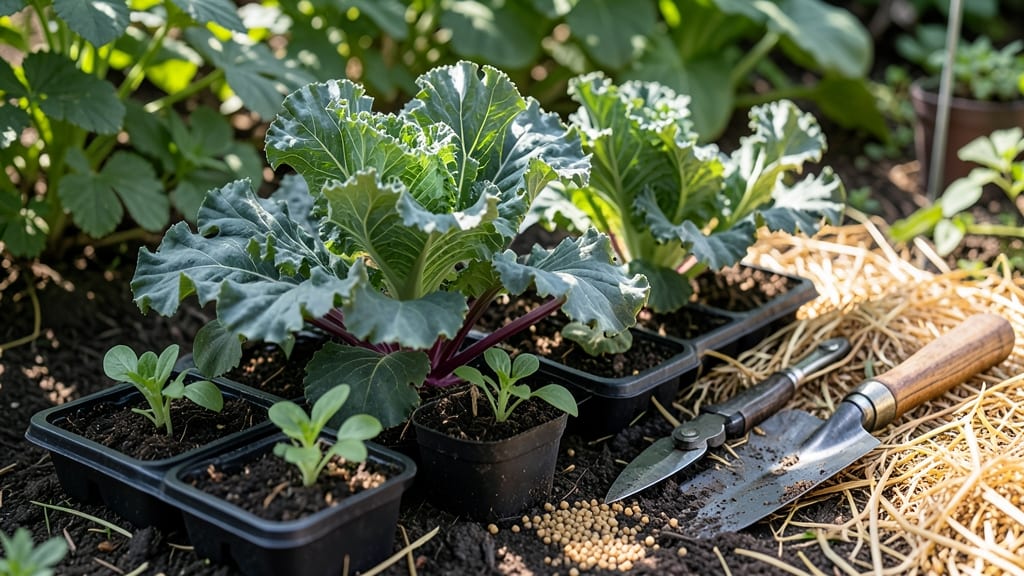
Planting your fall garden in Zone 7 at the wrong time could mean the difference between a bumper crop and wasted seeds—especially when soil temperatures and frost dates collide.
The key window is just 4-6 weeks before your first frost, but timing it right means accounting for both cool-season crops and the moon’s phases, which surprisingly influence root growth and harvest success.
Most gardeners in Zone 7 (7a-7b) start prepping in late summer, but rushing or waiting too long can lead to bolting lettuce or stunted carrots.
I’ve learned the hard way that even a few days off can throw off your entire harvest schedule—so let’s break down the exact soil temp triggers and lunar cues that make all the difference.
You’ll discover which crops thrive when planted in July vs. September, how to adjust for early or late frosts, and why mulching now could save your greens from a premature freeze.
Whether you’re a first-time gardener or a seasoned pro, these insights will help you avoid common pitfalls and extend your harvest well into winter.
From kale that tastes sweeter after frost to radishes that bolt in heat, every detail matters. Ready to turn your fall garden into a flavor-packed success? Let’s get into the timeline that works for Zone 7’s unique climate.
Zone 7 fall planting timeline: soil temperature & frost date rules
In Zone 7, your fall garden hinges on two critical factors: soil temperature and first frost dates. The average first frost in Zone 7 falls between October 15 and November 15, but your exact timing depends on your sub-zone (7a vs. 7b).
Planting too early risks bolting from heat, while waiting too long leaves no time for harvests before frost.
For cool-season crops like kale, carrots, and spinach, aim to plant 4–6 weeks before your first frost. This window typically opens in late August to early September in most of Zone 7.
Fast-maturing varieties (like radishes or bush beans) can stretch this to 2–3 weeks before frost.
Soil temperature is just as critical. Most cool-season vegetables thrive in soil between 50°F and 75°F.
Use a soil thermometer to check—if temps dip below 45°F, growth slows dramatically. Root crops like beets and turnips prefer cooler soil (55–65°F), while leafy greens tolerate slightly warmer conditions (60–70°F).
Here’s the golden rule: Direct-seed crops (like lettuce or peas) when soil temps are 60–70°F, and transplant seedlings (like broccoli or cabbage) when soil is 55–65°F. This balance ensures strong root establishment before cooler weather sets in.
🌱 Pro Tip: In Zone 7b (warmer microclimates), you can push planting to early October for fast crops, but always monitor 7-day forecasts for early frost warnings.
Zone 7 Fall Planting Summary
| Crop Type | Ideal Planting Window | Soil Temp Range (°F) | Days to Harvest | Frost Tolerance |
|---|---|---|---|---|
| Leafy Greens (Lettuce, Spinach, Kale) | Late July–Early Sept | 60–70°F | 30–50 days | Moderate (survives light frost) |
| Root Crops (Carrots, Beets, Radishes) | Early Aug–Mid Sept | 55–65°F | 25–60 days | High (tolerates frost) |
| Brassicas (Broccoli, Cabbage, Cauliflower) | Mid-Aug–Early Sept | 55–65°F | 50–80 days | Moderate (needs protection) |
| Peas & Beans (Bush Varieties) | Early Aug–Late Sept | 60–75°F | 45–60 days | Low (frost-sensitive) |
| Herbs (Cilantro, Parsley, Dill) | Late July–Early Sept | 50–65°F | 30–70 days | High (survives frost) |
🌿 Note: Adjust timing 1–2 weeks earlier for Zone 7a (cooler microclimates) and 1 week later for Zone 7b (warmer areas).
If you’re planting transplants (like broccoli or cabbage), harden them off for 7–10 days before moving to the garden. This toughens their leaves and roots for Zone 7’s cooler nights. For direct-seeded crops, thin seedlings to 2–3 inches apart once they sprout to prevent competition.
One Zone 7-specific trick is to use black plastic mulch to warm soil in early fall, then switch to straw mulch later to insulate roots. This extends your planting window by 2–3 weeks for heat-loving crops like bush beans.
For late fall (after October 15), focus on cold-hardy crops like kale, spinach, and garlic. These can handle light frosts and even improve in flavor after a freeze. Just cover them with row fabric if temps drop below 25°F.
🌡️ Key Takeaway:
How moon phases affect fall garden success in Zone 7 (lunar planting guide)
Planting by the moon isn’t just an old wives’ tale—it’s a science-backed strategy that can boost your Zone 7 fall garden by aligning growth cycles with lunar energy. The moon’s gravitational pull influences water absorption and root development, making certain phases ideal for specific crops.
In Zone 7, where first frost arrives between October 15–November 15, timing your plantings with the moon can mean the difference between a bountiful harvest and stunted growth.
Root crops like carrots and beets thrive during the waxing moon (when the moon is growing brighter), while leafy greens such as kale and spinach prefer the waning moon (when the moon is shrinking).
Flowers and fruiting plants respond best to the full moon or new moon, as these phases maximize energy for above-ground growth. For Zone 7 gardeners, this means planning your late-summer sowings (July–August) around these lunar triggers to extend your harvest window.
Here’s how to use the moon’s phases to your advantage in a Zone 7 fall garden, starting with the most critical phases for cool-season crops:
The new moon is the perfect time to start seeds indoors or direct-sow in the garden. Its energy kickstarts germination, making it ideal for fast-growing crops like radishes and lettuce. In Zone 7, aim for a new moon in late July or August to give seedlings time to establish before cooler temps arrive.
During the waxing moon (new moon to full moon), focus on root vegetables like carrots, turnips, and potatoes. The upward pull of lunar gravity encourages deep root growth. For Zone 7, plant these 4–6 weeks before your first frost (typically mid-September) during this phase.
The full moon is prime time for transplanting seedlings and planting flowering crops like broccoli or cauliflower. The moon’s energy promotes rapid above-ground growth. In Zone 7, use this phase to harden off seedlings in late August for early fall planting.
The waning moon (full moon to new moon) is ideal for leafy greens such as spinach, kale, and arugula. The downward pull of gravity encourages leafy growth. In Zone 7, sow these late August to early October during this phase for a prolonged harvest before frost.
The dark moon (just before the new moon) is a quiet time for pruning and soil preparation. Use this phase to amend garden beds with compost or mulch in Zone 7’s fall garden. Avoid planting during this phase, as energy is directed inward.
To put this into practice, check a lunar planting calendar for Zone 7’s fall frost dates and align your planting schedule with the moon’s phases.
For example, if your first frost is October 30, aim to direct-sow root crops during the waxing moon in late September and leafy greens during the waning moon in early October. This strategy can extend your harvest window by 2–4 weeks in Zone 7’s cooler months.
Pro tip: Pair lunar planting with soil temperature checks (ideal range: 50–75°F) to ensure seeds germinate quickly. Use a soil thermometer to confirm conditions match the moon’s energy—this combo is a Zone 7 gardener’s secret weapon for fall success. 🌕