
Plants
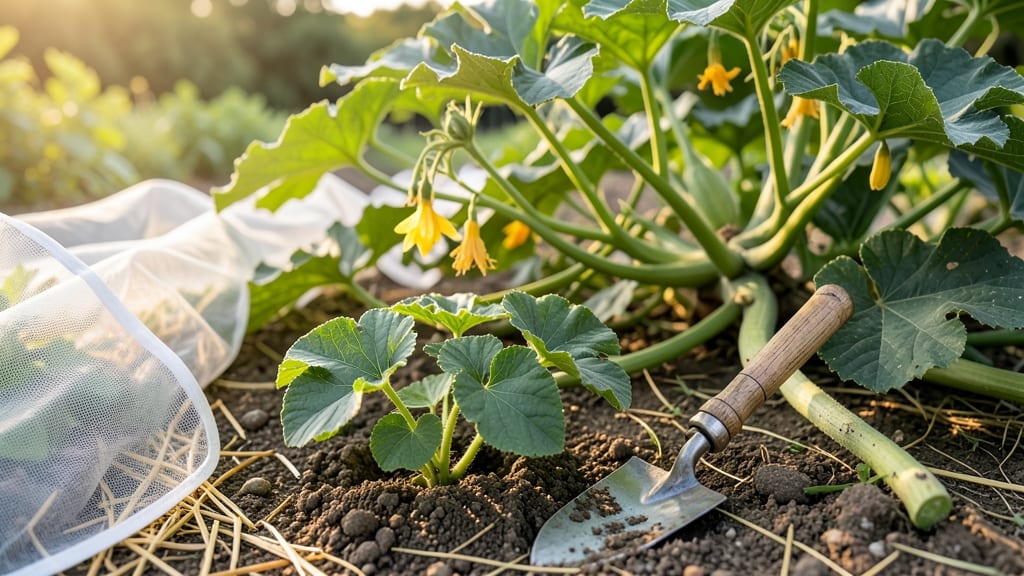
Planting pumpkins in Missouri isn’t just about timing—it’s about beating the unpredictable spring frosts that can turn your hard work into a sad, wilted mess.
With the right window, you’ll go from tiny seeds to bountiful 🎃 harvests by fall, but get it wrong, and you’re left with stunted vines or no pumpkins at all.
Most Missouri gardeners swear by planting after the last frost—typically mid-April in zones 5b-6b—but soil temperature matters just as much. Waiting until the ground hits 70°F ensures strong germination, especially for varieties like ‘Howden’ that thrive in shorter seasons.
The key? Balance patience with urgency, because once summer kicks in, you’ve got just 90 days to grow a full-sized pumpkin.
Here’s the game-changer: whether you’re growing giant carving pumpkins or sweet pie varieties, the exact timing depends on your region. St. Louis gardeners might plant in early May, while northern Missouri growers often wait until late May to avoid late frosts.
I’ll break down the frost-free deadlines and soil prep tricks that’ll have your pumpkins flourishing—no guesswork required.
Ready to turn your garden into a pumpkin patch? Let’s dive into the exact planting schedule, soil secrets, and variety tips that’ll make this your most successful growing season yet.
Missouri pumpkin planting calendar: frost dates & soil temperature guidelines by region
Missouri’s frost-free dates and soil temperatures are the key to successful pumpkin planting. Unlike cooler climates, Missouri’s USDA zones 5b-6b demand precise timing—plant too early, and frost will kill tender seedlings; too late, and your harvest shrinks before fall.
The average last frost date hovers around mid-April in southern Missouri (e.g., St. Louis) but can linger until late April in northern regions (e.g., Kansas City).
Pumpkin seeds need soil temperatures of 55–60°F to sprout reliably, but vines thrive best when soil hits 70°F+. This usually aligns with late May to early June across most of the state.
However, winter squash varieties (like ‘Sugar Pie’) can tolerate slightly cooler soils, giving you a 2-week earlier window if you’re patient.
Here’s the critical rule: Wait until nighttime temperatures stay above 50°F consistently. Use a soil thermometer to confirm—planting when soil is below 55°F risks rot and poor germination. Pro tip: Cover seedlings with frost cloth if an unexpected chill hits after planting.
Missouri’s regional microclimates create variations. For example, Columbia (USDA zone 6a) typically has a longer frost-free season (180 days) than Springfield (165 days). Adjust your planting by 1–2 weeks earlier in southern Missouri and 1–2 weeks later in the north.
Always check your local Cooperative Extension Service for year-specific updates.
🎃
| Region | Avg. Last Frost | Ideal Planting Window | Soil Temp for Planting | Frost-Free Days |
|---|---|---|---|---|
| St. Louis (6a) | Mid-April | Late May – Early June | 70–75°F | 180–190 days |
| Kansas City (6b) | Late April | Early June – Mid-June | 65–70°F | 165–175 days |
| Columbia (6a) | Early April | Late May – Early June | 70°F+ | 180–190 days |
| Springfield (6a) | Mid-April | Early June – Mid-June | 68–72°F | 165–170 days |
| Northern MO (5b) | Late April – Early May | Mid-June – Early July | 70°F+ (wait longer) | 150–160 days |
*Adjust planting dates 1–2 weeks earlier for winter squash varieties like 'Sugar Pie.'
For summer squash (e.g., ‘Straightneck’), you can start seeds indoors 4–6 weeks before your last frost date to get a head start. However, winter squash (like ‘Jack Be Little’) should be direct-sown outdoors after soil warms—transplanting disrupts their root systems.
If you’re growing giant pumpkins (e.g., ‘Atlantic Giant’), prioritize early planting and a long, warm season.
Missouri’s unpredictable summer weather can also throw off your timeline. If temperatures dip below 60°F for 3+ days after planting, vines grow slowly. Use black plastic mulch to warm soil faster and row covers to protect young plants from late frosts.
In northern Missouri, consider container growing for dwarf varieties like ‘Minnesota Freckles’—they mature faster and avoid ground-level pests.
Don’t forget: Harvest before the first frost, which typically hits mid-October in southern Missouri but can arrive as early as late September in northern areas.
Use a harvest calendar to track days to maturity (e.g., ‘Howden’ = 75 days, ‘Cinderella’ = 90 days) and count backward from your expected frost date.
🌱
Pro tip:
Best pumpkin varieties for Missouri gardens & their unique planting needs
Missouri’s gardeners know that not all pumpkins thrive equally in our humid summers and variable frost dates. Choosing the right variety ensures you avoid wilted vines or underripe fruit—and maximizes your harvest for everything from jack-o’-lanterns to pies. Here’s my breakdown of the top Missouri-friendly pumpkins, including their days to maturity and planting quirks to watch. For short-season gardens (like northern Missouri’s USDA Zone 5b), prioritize varieties that mature in 85–90 days, such as ‘Howden’ or ‘Small Sugar’. These handle cooler soils better and resist powdery mildew, a common Missouri pest. Meanwhile, southern Missouri’s longer summers (Zone 6b) can support larger varieties like ‘Cinderella’ or ‘Jack Be Little’, which thrive with extra heat and humidity.| Variety | Days to Maturity | Size | Missouri Advantage | Planting Tip |
|---|---|---|---|---|
| Howden | 85–90 days | 8–12 lbs | Cold-tolerant, great for northern MO | Plant late May in hills |
| Jack Be Little | 75–80 days | 3–5 lbs | Compact, container-friendly | Sow early June, 1 inch deep |
| Cinderella | 90–100 days | 10–15 lbs | Perfect for carving, heat-resistant | Start indoors in April |
| Small Sugar | 80–85 days | 4–6 lbs | Sweet flesh, pie pumpkin favorite | Direct sow after last frost |
| Giant Cabbage | 100–120 days | 50+ lbs | Needs long season, southern MO only | Plant early May in warm soil |
🎃
For pest resistance, ‘Howden’ and ‘Small Sugar’ top the list—they’re bred to tolerate squash vine borers and powdery mildew, two of Missouri’s worst pumpkin nemeses. If you’re dealing with crowded garden beds, ‘Jack Be Little’ thrives in 5-gallon containers with just 2–3 feet of vine space, making it ideal for small urban gardens or community plots. Just remember: Space vines 4–6 feet apart for larger varieties to prevent disease spread and ensure full sun exposure (at least 6–8 hours daily). Missouri’s soil pH (ideal: 6.0–6.8) and drainage are critical—amend heavy clay soils with compost or sand to avoid root rot. My go-to trick? Plant pumpkins in raised beds filled with a mix of topsoil, compost, and perlite for faster warming and better drainage. This is especially helpful in northern Missouri’s cooler springs, where slow soil warming delays planting.🌱