
Plants
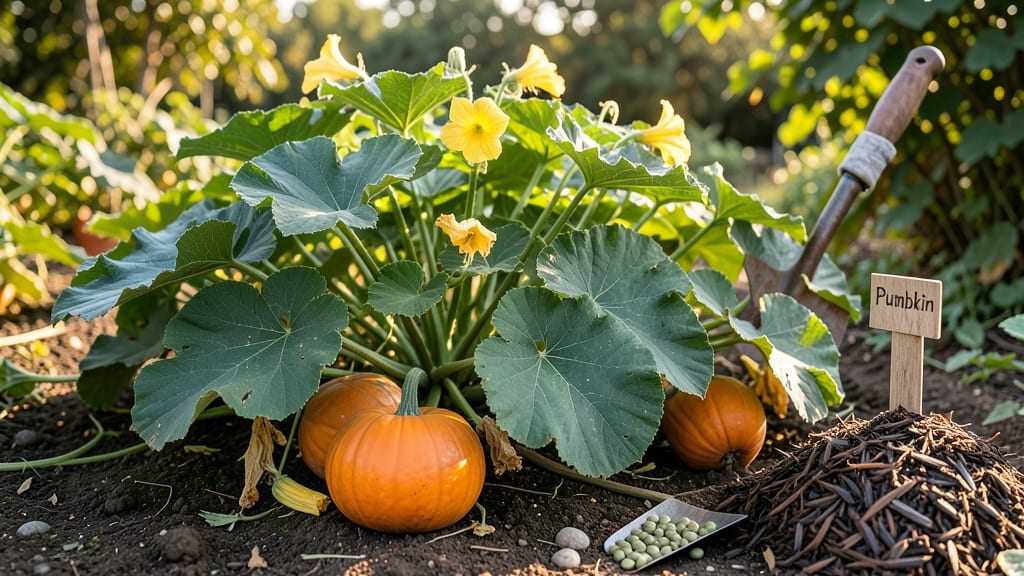
Planting pumpkins in Indiana isn’t just about tossing seeds into the dirt and hoping for the best—it’s about timing them perfectly to beat the unpredictable spring frost and give your 🎃 vines the long, warm season they crave.
With Indiana’s USDA Zones 5b-6b and average last frost around mid-April, waiting too long means bolting vines, while starting too early risks frost-killed seedlings.
Here’s the game-changer: soil temperature matters more than the calendar. Pumpkin seeds need 70°F+ soil to germinate, which typically happens 2-3 weeks after Indiana’s last frost—usually late May or early June. Skipping this step is like planting a marathon runner in flip-flops.
Whether you’re a first-time gardener or a seasoned pro, this guide breaks down the exact window for direct sowing vs. starting indoors, plus how to stretch your growing season with row covers. No more guessing—just reliable, jack-o’-lantern-ready pumpkins by fall.
Ready to turn your Indiana garden into a pumpkin patch? Let’s dive into the step-by-step timeline that’ll have you harvesting 90-day varieties just in time for October. You’ve got this!
Indiana pumpkin planting timeline: frost dates & soil temperature guide
Pumpkins thrive in Indiana’s warm summers, but timing is everything. The average last frost date across most of Indiana falls around April 15, but northern regions like Gary can see frost lingering until May 1.
Southern areas like Evansville often break frost by April 1. To avoid frost damage, wait until soil temperatures consistently reach 70°F—typically 2-3 weeks after your area’s last frost date.
Pumpkin seeds need warmth to germinate, so don’t rush planting. If you start too early, seedlings may rot in cold soil. Use a soil thermometer to confirm temperatures. In USDA Zones 5b-6b, this usually means planting between late May and early June for direct sowing.
For faster results, start seeds indoors 4-6 weeks before your last frost date.
Indiana’s climate varies dramatically between north and south. Northern counties like South Bend have shorter growing seasons, while southern areas like Louisville enjoy an extra 2-3 weeks of warmth.
Adjust your planting window accordingly—northern gardeners should aim for late May, while southern gardeners can start as early as mid-April with row covers for protection.
Pumpkins need a long, frost-free growing season—typically 90-120 days from seed to harvest. With Indiana’s 165-day frost-free window, you have plenty of time, but early planting risks frost damage.
Plan to harvest by October 15 before the first frost hits. Varieties like ‘Jack Be Little’ (75 days) are great for shorter seasons, while ‘Howden’ (110 days) suits longer summers.
Here’s a quick reference for Indiana’s pumpkin planting zones and ideal soil conditions:
If you’re unsure about your exact last frost date, check the Indiana State Climate Office or use the Old Farmer’s Almanac for localized forecasts. For extra protection, use black plastic mulch to warm the soil faster or row covers to shield young plants from unexpected late frosts.
Pumpkins also need well-draining soil with a pH between 6.0 and 7.0. Indiana’s clay-heavy soils can be amended with compost or sand to improve drainage.
Test your soil before planting—many county extension offices offer free or low-cost testing. Aim for soil that’s loose and crumbly to encourage strong root development.
Once you’ve nailed down your planting window, the next step is choosing the right varieties. Bush varieties like ‘Waltham Butternut’ save space, while vining types like ‘Cinderella’ produce larger pumpkins. For Indiana’s climate, I recommend disease-resistant varieties like ‘Autumn Gold’ or ‘Sugar Pie’ to combat common issues like powdery mildew.
Remember, pumpkins are heavy feeders. Start with a balanced fertilizer (10-10-10) at planting time, then side-dress with compost or a low-nitrogen fertilizer when flowers appear. Over-fertilizing can lead to excessive vine growth at the expense of fruit development.
With the right timing and soil prep, your Indiana pumpkin patch could yield 50+ pounds of pumpkins per plant—just in time for carving or baking! Start planning now, and you’ll be harvesting vibrant, healthy pumpkins by fall. 🎃
Indiana pumpkin planting timeline: frost dates & soil temperature guide
Indiana’s USDA Zones 5b-6b create a tricky balance for pumpkin planting—too early, and frost zaps tender seedlings; too late, and vines struggle to mature before fall.
The average last frost date hovers around April 15, but northern Indiana (like Gary) can see frost lingering until May 1, while southern Indiana (near Louisville) often warms up by April 1. To avoid this gamble, focus on soil temperature, not just air temperature.
Pumpkin seeds need soil temperatures between 70-90°F to germinate reliably. A soil thermometer is your best friend here—Indiana’s clay-heavy soils warm slowly, so wait until late May or early June for direct sowing in most regions.
For northern Indiana, late May planting is safer, while southern Indiana gardeners can start as early as mid-May if nights stay above 50°F consistently.
🎃 Indiana Pumpkin Planting Timeline
| Stage | Action | Notes |
|---|---|---|
| Early Spring (March) | Start seeds indoors (optional) | Use grow lights; transplant after last frost |
| Late Spring (May) | Direct sow after soil hits 70°F | Northern IN: Wait until May 20+; Southern IN: May 10+ |
| Early Summer (June) | Thin seedlings to 2-3 ft apart | Vines spread 10-20 ft; give space! |
| Fall (September-October) | Harvest before first frost | Hard rind + dry stem = ready! |
If you’re eager to get a head start, indoor seed starting in late March or early April works well for Indiana’s shorter growing season. Use biodegradable pots to avoid transplant shock, and harden off seedlings for 7-10 days before setting them out after the last frost.
But here’s the catch: pumpkins hate cold feet, so even hardened-off seedlings can struggle if nighttime temps dip below 55°F. Use row covers or black plastic mulch to warm the soil faster.
For northern Indiana gardeners, consider fast-maturing varieties like ‘Jack Be Little’ (75 days) or ‘Small Sugar’ (80 days) to beat the October 15 average first frost. Southern Indiana growers can opt for larger varieties like ‘Howden’ (90 days) or ‘Cinderella’ (85 days), giving vines more time to spread.
Always check the USDA Plant Hardiness Map for your exact location—Indiana’s microclimates can vary by 1-2 weeks even within the same county.
Pro tip: Test your soil before planting—Indiana’s clay soils often need compost or aged manure to improve drainage. Aim for a pH between 6.0-7.0, and mix in 1-2 inches of compost to give vines the nutrients they crave.
Without proper prep, even perfectly timed plantings can underperform due to poor soil structure or nutrient deficiencies.
Remember, pumpkins need 90-120 days to mature, so count backward from your average first frost date to determine your planting window. In Indiana, that typically means planting between May 15 and June 15, with earlier dates for southern regions and later dates for northern areas.
Don’t rush—patience pays off with bigger, healthier pumpkins!