
Planting
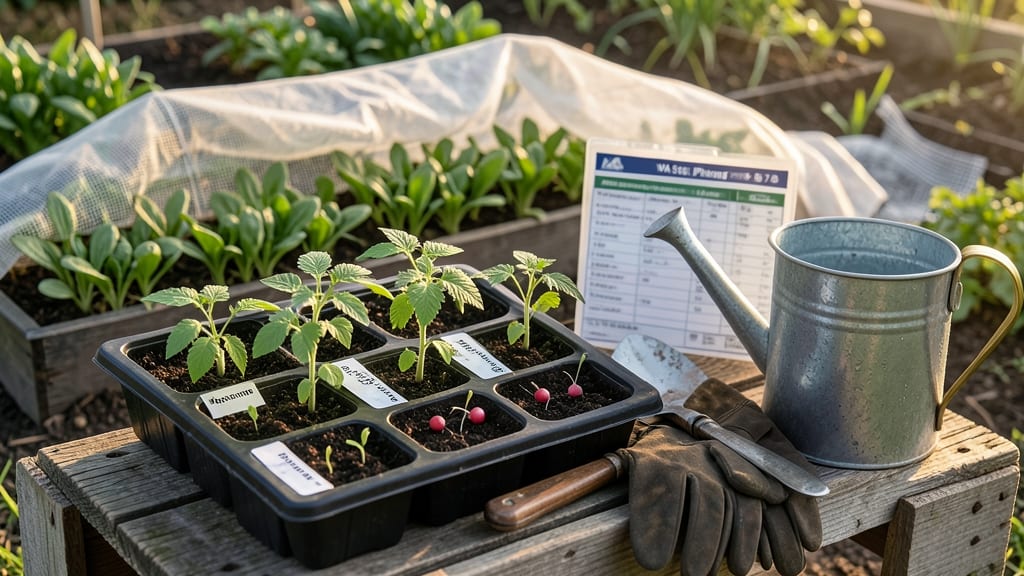
When to plant a garden in Washington State could mean the difference between a thriving harvest and wasted effort—especially when Western WA’s mild coastal climate clashes with Eastern WA’s crisp, early frosts. Plant too soon, and your seedlings might freeze; wait too long, and summer heat could bolt your greens before they mature.
I’ve spent years growing everything from 🌱 heirloom tomatoes in Seattle to hardy kale in Spokane, and the key isn’t just when you plant—it’s where. The Puget Sound’s Zone 7b–9a lets you start veggies by late March, while Eastern WA’s Zone 4b–7a demands patience until mid-April.
One wrong move, and your garden’s potential goes up in smoke.
What you’ll discover here are the exact frost-free deadlines for your region, plus seasonal planting calendars that account for Washington’s wild swings—from soggy spring soils to scorching summer afternoons.
Whether you’re a first-time gardener or a veteran with a few failed attempts under your belt, these tips will help you sync your planting with nature’s rhythm.
Ready to turn your backyard into a productive oasis? Let’s dive into the region-specific strategies that’ll keep your garden flourishing from spring to fall—no guesswork required.
Washington State frost-free deadlines by region: exact planting windows
Washington State’s diverse microclimates create wildly different planting windows. In Western WA (Seattle, Portland), mild coastal air delays frost until mid-March, while Eastern WA (Spokane, Yakima) often waits until mid-April or later. Even within regions, valleys like the Columbia Basin can be 2–3 weeks earlier than nearby hills.
Your first step? Check your USDA hardiness zone (Western WA: 7b–9a; Eastern WA: 4b–7a) and local frost dates. The WA State University Extension offers free frost maps and planting guides tailored to your ZIP code.
For example, Seattle’s last frost averages March 10, but Spokane’s can linger until May 1.
Here’s how to use these deadlines: Plant cool-season crops (like spinach or peas) 4–6 weeks before your last frost. For warm-season crops (tomatoes, peppers), wait until 2 weeks after your last frost to avoid chilly soil shocking roots.
In Eastern WA’s shorter seasons, prioritize fast-maturing varieties like bush beans or radishes.
🌱Pro Tip: Use a soil thermometer—most seedlings thrive when soil hits 45–60°F (7–15°C). In Zone 4b (e.g., Moses Lake), wait until May 15 for tomatoes, while Zone 9a (e.g., Longview) can plant in mid-February.
| Region | Last Frost Date | First Frost Date | Frost-Free Days | Ideal Planting Window |
|---|---|---|---|---|
| Western WA (Seattle, Portland) | March 1–15 | October 15–November 1 | 165–240 | March–May, August–September |
| Puget Sound (Bellingham, Olympia) | February 28–March 10 | October 30–November 10 | 200–220 | March–June, July–September |
| Eastern WA (Spokane, Yakima) | April 15–May 1 | September 15–October 15 | 120–180 | May–June, July–August |
| Columbia Basin (Pasco, Kennewick) | April 1–April 15 | October 1–October 15 | 150–170 | April–May, July–August |
| Mountain Zones (Leavenworth, Snoqualmie) | May 1–May 15 | September 1–September 15 | 90–120 | June–July (short season!) |
📅 Need Exact Dates? Check WA State Climate Tool for your ZIP code.
Microclimates add another layer of complexity. Urban heat islands in Seattle or Spokane can push last frosts 1–2 weeks later than rural areas. Meanwhile, coastal gardens near Olympia might see February plantings of kale or carrots, while inland valleys like Wenatchee wait until April.
For fall planting, aim to sow cool-season crops 8–10 weeks before your first frost. In Western WA, that
Best crops to plant in each Washington season: spring vs summer vs fall
Washington State’s cool maritime climate and hot inland valleys create distinct planting seasons. In spring, focus on cool-season crops like kale and peas that thrive before summer heat arrives.
Meanwhile, summer is prime time for heat-loving veggies such as tomatoes and peppers, while fall offers a second chance for greens and root vegetables like carrots.
Your location matters: Western WA’s longer growing season (165–240 frost-free days) lets you plant earlier and later than Eastern WA’s shorter window (120–180 days). For example, Spokane gardeners should avoid planting heat-sensitive crops like basil until after Memorial Day, while Seattle gardeners can start tomatoes as early as late April.
Here’s how to align your planting with Washington’s three key seasons, plus regional tweaks to maximize harvests:
🌱 Seasonal Planting Guide for Washington Gardens
- Spring (March–May): Plant cool-season crops like peas, lettuce, and broccoli 4–6 weeks before last frost. In Eastern WA, wait until May 1 for heat-sensitive plants.
- Summer (June–August): Sow warm-season crops (tomatoes, peppers, cucumbers) after last frost. Use row covers in Zone 7b to extend early starts.
- Fall (September–October): Direct-sow hardy greens (spinach, kale) 6–8 weeks before first frost. In Western WA, late September plantings often survive until November.
For Eastern WA’s shorter season, prioritize fast-maturing varieties (e.g., bush beans in 50 days vs. pole beans in 70). In Western WA, extend harvests by planting succession crops every 2 weeks (e.g., lettuce, radishes).
My go-to summer crop is zucchini, which thrives in WA’s heat but bolts quickly—so I plant seeds every 2 weeks from June to August.
Pro tip: Microclimates matter. Coastal areas like Olympia can plant 2–3 weeks earlier than inland valleys like Yakima. Use local frost data from the WA State University Extension to fine-tune your schedule.
For example, Pullman’s last frost often hits May 15, while Port Townsend’s is as early as March 15.
Don’t overlook perennials and herbs, which can be planted in early spring or fall. Rosemary and thyme tolerate WA’s winters, while asparagus crowns take 2–3 years to establish—so plant them in spring for a long-term harvest.
For annual flowers, marigolds and zinnias bloom from June to frost, adding color without competing with veggies.
Adjust your schedule based on soil temperature, not just air temperature. Use a soil thermometer to confirm 45°F+ for peas and 60°F+ for tomatoes before planting.
In Eastern WA, soil warms slower—often 2–3 weeks later than Western WA. Mulch heavily in spring to warm soil faster and retain moisture during summer droughts.