
Plants
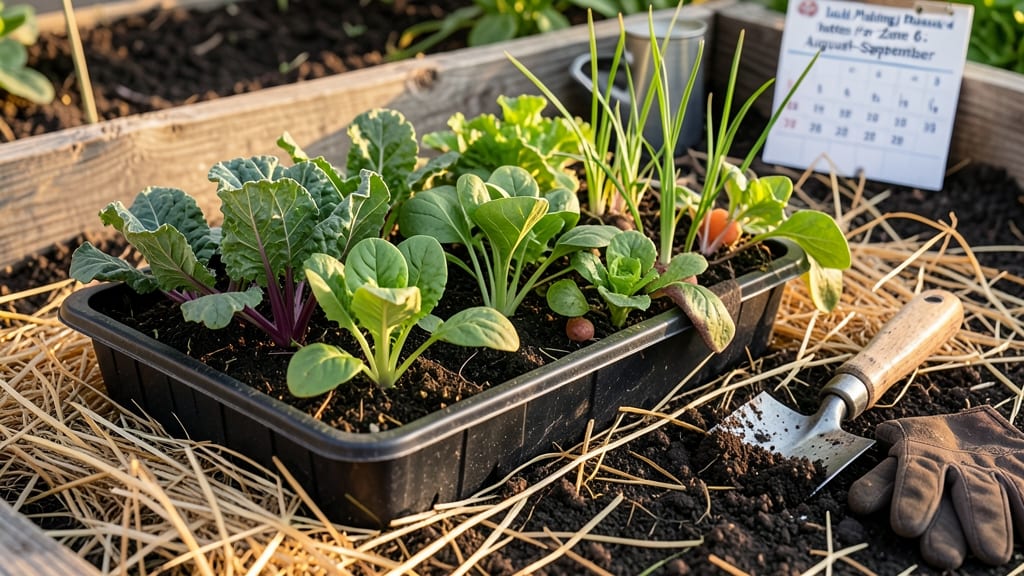
Planting fall crops in Zone 6 isn’t just about tossing seeds into the soil—it’s about reading your garden’s hidden signals to avoid bitter greens or bolted herbs before frost hits. 🌾 The difference between a thriving harvest and a wasted effort often comes down to soil temperature, not just the calendar date.
I’ve learned the hard way that waiting until September might mean your lettuce bolts before you even taste it. Instead, the key is planting when soil temps drop to 50–75°F, depending on the crop.
Root vegetables like carrots need slightly warmer soil, while leafy greens like spinach thrive in cooler conditions—so timing matters more than you’d think.
In this guide, I’ll walk you through exactly when to plant each crop in Zone 6, how to adjust for microclimates, and the simple tools (like a soil thermometer) that’ll save you from costly mistakes. No more guessing—just a fast, reliable plan to extend your harvest well into winter.
Whether you’re a seasoned gardener or just starting, these insights will help you turn late-summer heat into a bounty of crisp greens and hearty roots. Let’s get those seeds in the ground at the perfect moment!
Soil temperature triggers for fast germination in Zone 6 fall crops
Fall gardening in Zone 6 hinges on one critical factor: soil temperature. Unlike spring planting, where warm air temperatures guide you, fall crops thrive when the earth cools—but not too much.
The sweet spot for most cool-season vegetables like lettuce, spinach, and kale sits between 50–75°F. This range ensures roots establish quickly while preventing premature bolting (when plants rush to flower).
Think of soil temperature like a thermostat for seeds. Too warm (75°F+), and leafy greens bolt before you harvest. Too cool (below 50°F), and germination stalls. The key?
Monitor soil temps 1–2 inches deep in morning shade—this is where seeds "feel" the real conditions. A simple soil thermometer (available for $10–$15) becomes your best friend in late summer.
Here’s the science: Root crops like carrots and beets germinate best at 60–70°F, while brassicas (kale, broccoli) tolerate slightly warmer soil up to 75°F. Leafy greens, however, are the most finicky—they’ll bolt if soil temps creep above 65°F.
That’s why timing matters more than calendar dates in Zone 6, where August can still feel like summer while September brings crisp mornings.
| Crop Type | Optimal Soil Temp (°F) | Germination Time | Bolting Risk Zone (°F) | Zone 6 Planting Window |
|---|---|---|---|---|
| Leafy Greens (Lettuce, Spinach) | 50–65 | 7–14 days | 65+ | Aug 15–Sept 30 |
| Root Vegetables (Carrots, Beets) | 60–70 | 10–21 days | 75+ | Aug 1–Sept 15 |
| Brassicas (Kale, Broccoli) | 60–75 | 5–10 days | 80+ | July 20–Aug 20 |
🌱 Note: Test soil 1–2 inches deep in morning shade for accuracy.
Pro tip: Brassicas like kale and broccoli are your early-fall workhorses because they tolerate slightly warmer soil. Plant these by mid-August in Zone 6 to give them 60–70 days of growth before frost.
For example, if your first frost is October 15, aim to sow broccoli by August 15—this gives you a 60-day window to harvest mature heads.
Leafy greens and root crops, however, demand cooler soil. Wait until late August or early September when soil temps drop below 65°F. This timing ensures your spinach and carrots germinate reliably without bolting.
I’ve learned this the hard way—planting lettuce in 70°F soil last August resulted in bitter, bolted greens by September. The lesson? Patience pays off in fall gardening.
Another trick: Succession planting every 2 weeks after your initial sowing keeps your harvest steady. For instance, if you plant carrots on August 15, follow up with another batch on September 1 and September 15.
This staggered approach ensures you’re always harvesting fresh roots as summer fades into fall. Just remember: Root crops need consistent moisture to prevent forking, so water deeply after each planting.
Don’t overlook soil prep either. Fall crops thrive in loose, nutrient-rich soil. Before planting, mix in 2–3 inches of compost and a balanced fertilizer (10-10-10). This gives seeds the energy they need to germinate quickly in cooler temps.
I like to add a handful of bone meal for phosphorus—it boosts root development, which is crucial when soil temps are on the cooler side.
Finally, keep an eye on
Soil temperature triggers for fast germination in Zone 6 fall crops
Fall crops in Zone 6 thrive when soil temperatures align with their ideal ranges—not just calendar dates. For leafy greens like spinach, aim for 50–65°F soil to prevent bolting, while root vegetables like carrots need 60–70°F for steady germination.
A soil thermometer (inserted 1–2 inches deep in morning shade) is your best tool to avoid costly mistakes.
Why does this matter? Brassicas like kale germinate fastest at 60–75°F, but their roots struggle to establish if soil stays above 80°F. Even a 5°F difference can double germination time for beets or radishes. Test your soil weekly in late summer to catch the perfect window.
| Crop Type | Optimal Soil Temp (°F) | Germination Time | Bolting Risk Zone (°F) | Zone 6 Planting Window |
|---|---|---|---|---|
| Leafy Greens (Lettuce, Spinach) | 50–65 | 7–14 days | 65+ | Aug 15–Sept 30 |
| Root Vegetables (Carrots, Beets) | 60–70 | 10–21 days | 75+ | Aug 1–Sept 15 |
| Brassicas (Kale, Broccoli) | 60–75 | 5–10 days | 80+ | July 20–Aug 20 |
Test soil 1–2 inches deep in morning shade for accuracy.
Pro tip: Brassicas like broccoli germinate in just 5–10 days at ideal temps, but leafy greens take longer (7–14 days). This means you can stagger plantings—sow kale in late July for early harvests, then add spinach in mid-August to extend your season until frost.
Watch for soil temp spikes after hot days—even if nights cool down. A 10°F drop in daytime highs (from 90°F to 80°F) often signals it’s safe to plant heat-sensitive crops like lettuce. Use a shade cloth over seed beds if temps hover near the bolting threshold.
For root crops, focus on consistent moisture during germination. Dry soil at 70°F can delay carrots by 10+ days, while overwatering causes rot. Aim for 1 inch of water per week once seeds sprout to keep roots happy.
Remember: Soil temp ≠ air temp. In Zone 6, morning air might feel crisp, but the ground could still be 75°F from the day before. Always check with a thermometer—your plants will thank you with faster growth and sweeter harvests.