
Companion Plants
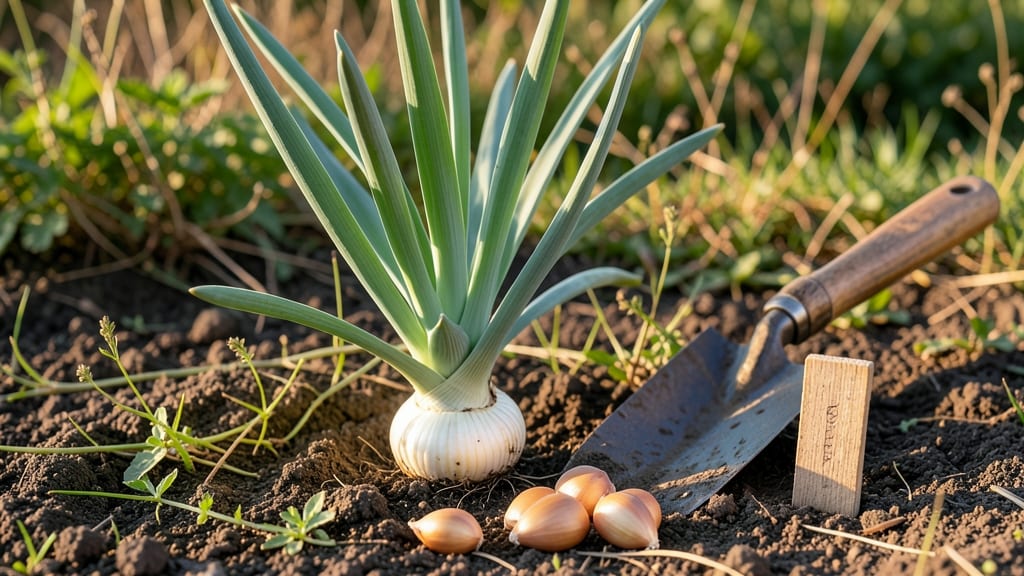
Planting garlic in Zone 7 at the wrong time can turn your harvest from a neighborhood staple into a sad little clump of underwhelming cloves. The key? Timing it right with the cold-soil hack that triggers stronger bulb growth—something most gardeners overlook until it's too late.
If you've ever wondered why your 🧄 plants struggle to grow big bulbs, the answer lies in understanding when to plant. Zone 7 gardeners have two prime windows: late fall (October-November) or early spring (February-March).
But here's the catch—you need to get those cloves in the ground 4-6 weeks before the soil freezes for best results.
I'll show you exactly how to align your planting schedule with Zone 7's frost dates, plus the soil prep and winter care tricks that make all the difference.
Whether you're growing hardneck or softneck varieties, these steps will help you grow garlic that's bigger, healthier, and ready for harvest by June.
Ready to transform your garlic game? Let's dive into the perfect planting timeline and care routine that actually works for Zone 7's climate.
Zone 7 garlic planting timeline: the cold-soil hack explained
Timing is everything when planting garlic in Zone 7. Unlike many vegetables, garlic needs a cold soil period (35-45°F) to develop strong bulbs. In Zone 7, this means planting 4-6 weeks before the ground freezes—typically between mid-October and early November.
This cold-soil hack ensures your garlic gets the winter chill it needs to grow plump, flavorful bulbs.
If you miss the fall window, don’t despair—early spring planting (February to March) is your second chance. However, spring-planted garlic often yields smaller bulbs because it misses the critical cold period. For the biggest harvest, prioritize fall planting in Zone 7.
Here’s the key: Garlic cloves planted in cold soil (but not frozen) will sprout in early spring, giving them a 6-8 week head start before summer heat. This timing aligns with Zone 7’s last frost date (April 15), ensuring your garlic matures before summer’s intensity.
Pro tip: Use a soil thermometer to confirm soil temps are between 35-45°F before planting. If temps drop below freezing, your cloves may rot. In Zone 7, this usually happens by mid-November, so act fast!
| Planting Stage | Zone 7 Timeline | Key Conditions |
|---|---|---|
| Fall Planting | Mid-October to early November | Soil temp: 35-45°F, 4-6 weeks before freeze |
| Overwintering | December to March | Mulch with 4-6" straw; protect from rodents |
| Spring Sprouting | Late February to March | Shoots emerge when soil reaches 40°F |
| Harvest Ready | Late June to July | Lower leaves brown; bulbs 1.5-2" diameter |
| Spring Planting | February to early March | Soil temp: 40-50°F; smaller bulbs likely |
For Zone 7 gardeners, fall planting in October is ideal because garlic needs 60-80 days of cold weather to form bulbs. If you plant too early (September), cloves may sprout and get damaged by frost.
If you wait too late (after November), the ground freezes before the cold-soil period kicks in.
Once planted, mulching is non-negotiable. A 4-6 inch layer of straw or leaves insulates the soil, protecting cloves from freezing and thawing cycles. This mulch also suppresses weeds and retains moisture—critical during Zone 7’s dry winters. Remove mulch in early spring to let sunlight warm the soil.
Spring-planted garlic (February-March) skips the cold-soil benefit but can still work. However, bulbs will be 30-50% smaller than fall-planted varieties. If you choose this route, use hardneck varieties, which tolerate warmer springs better than softnecks.
Remember: Garlic planted in Zone 7’s fall window will reward you with larger bulbs and better flavor. The cold-soil hack isn’t just a trick—it’s science. Your garlic’s future depends on getting this timing right!
Zone 7 garlic planting timeline: the cold-soil hack explained
In Zone 7, garlic thrives when planted during the cold-soil window—a secret many gardeners miss. The key is timing your garlic 4-6 weeks before the ground freezes, typically between mid-October and November. This cold period triggers bulb formation, ensuring larger, more flavorful harvests next summer.
Garlic needs 6-8 weeks of winter chill (35-45°F soil temps) to develop properly. Planting too early or late disrupts this process, leading to weak bulbs. For Zone 7, aim for October 15–November 15—just before the first hard frost. This aligns perfectly with the region's climate.
| Planting Stage | Zone 7 Timeline | Key Conditions |
|---|---|---|
| Fall Planting | Mid-October to November 15 | Soil temp: 35-45°F; 6-8 weeks before frost |
| Winter Dormancy | December–February | Mulch 2-4 inches; protect from freeze-thaw cycles |
| Spring Growth | March–April | Remove mulch; water 1 inch/week |
| Harvest | Late May–June | Lower leaves brown; bulbs 1.5–2 inches wide |
Spring planting is possible but riskier in Zone 7. Plant February–early March for a summer harvest, but bulbs may be smaller due to insufficient chill time. If you miss fall planting, opt for softneck varieties, which tolerate warmer winters better.
Before planting, prep your soil by adding compost or aged manure to improve drainage. Garlic hates soggy soil, so raise beds if your yard stays wet. Space cloves 4–6 inches apart in rows 12 inches apart for optimal airflow and bulb development.
After planting, cover beds with 2–4 inches of straw mulch to insulate roots during winter. This prevents freeze-thaw damage and keeps soil temps stable. Remove mulch in early spring to encourage growth as temps rise.
Pro tip: Use organic mulch like straw or leaves—it breaks down slowly, feeding the soil naturally. Avoid synthetic mulches, which can suffocate garlic roots. With this cold-soil hack, your Zone 7 garlic will thrive! 🌱