
Plants
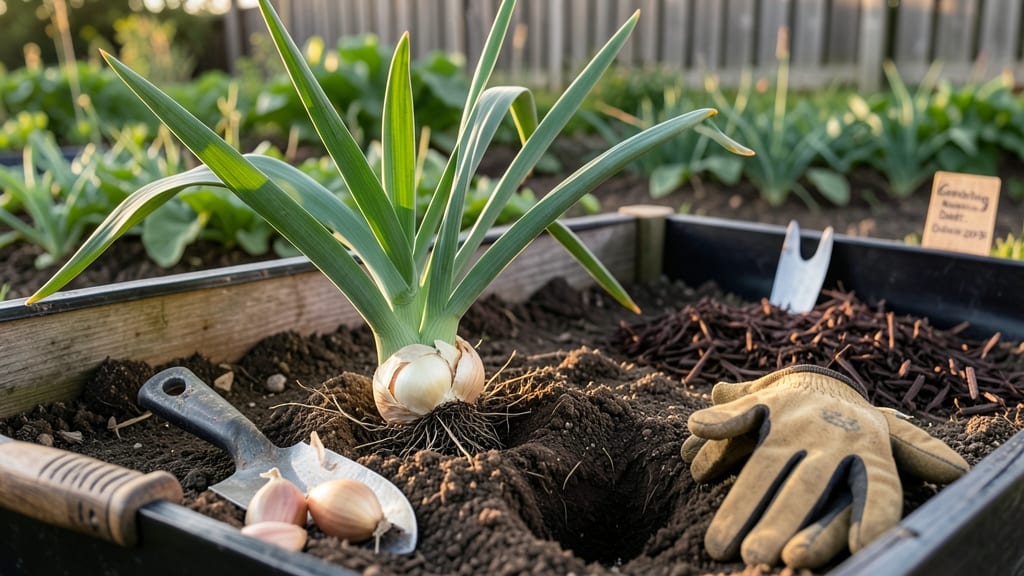
Planting garlic in Zone 10 at the wrong time means weak 🧄 bulbs—or worse, no harvest at all. Unlike colder climates, your mild winters demand precise timing to avoid summer heat stress, and the best window is surprisingly narrow.
Most gardeners in California’s coastal areas assume garlic is a spring crop, but the secret to strong yields lies in planting during the coolest months—typically between late October and early December.
This timing lets the roots establish before winter’s mild chill, setting up bulbs to mature perfectly by late spring.
Why does this matter? Because planting too early risks rot from lingering summer heat, while waiting too long means your garlic won’t have enough time to develop before the soil warms again.
I’ll show you exactly how to nail the timing, adjust for your specific microclimate, and even spot the signs you’ve gotten it right.
Ready to grow plump, flavorful garlic that rivals store-bought? Let’s dive into the zone-specific strategies that work—no guesswork required.
Optimal planting months for garlic in Zone 10: a climate-specific guide
Zone 10 gardeners enjoy a unique advantage for growing garlic: mild winters that eliminate frost risks. But planting too early or late can still ruin your harvest.
The ideal window is late October through early November, when soil temperatures hover between 50-60°F—perfect for root establishment before winter's cooler months. This timing ensures bulbs mature fully by late spring without overheating.
Garlic thrives on cool-season growth, so avoid planting during Zone 10's summer heat (June-August). Even our mild winters can stress garlic if planted too late—January-February is a secondary window, but bulbs may be smaller.
The key is planting 4-6 weeks before the warmest part of winter, not the coldest.
Here’s why timing matters: Garlic needs 120-180 days to mature in Zone 10. Planting in November gives it enough time to develop before spring warmth triggers harvest readiness. Miss this window, and you risk small, weak bulbs or even rot from prolonged wet soil.
| Planting Window | Soil Temp | Moon Phase Tip | Bulb Size Risk |
|---|---|---|---|
| Late October | 55-60°F | Plant during waxing moon for stronger roots | Large bulbs (ideal) |
| Early November | 50-55°F | Avoid full moon—roots may overgrow | Medium-large bulbs |
| December | 45-50°F | Use winter solstice as a deadline | Smaller bulbs (acceptable) |
| January-February | 40-45°F | Plant before spring rains arrive | Very small bulbs (risky) |
For coastal Zone 10 areas (like San Diego), plant 2-3 weeks earlier—humidity can delay root growth. Inland regions (like Palm Springs) can wait until mid-November to avoid early winter warmth. Always test soil moisture before planting; soggy soil in winter can cause neck rot, a deadly garlic disease.
Pro tip: Use hardneck varieties like 'German White' or 'Silverskin' for Zone 10—they handle our mild winters better than softnecks. Break apart bulbs into individual cloves and plant the pointy end up, 2 inches deep and 6 inches apart. Mulch with straw to protect from occasional chilly snaps.
If you miss the fall window, don’t panic—January-February is a backup, but expect smaller harvests. The goal is to give garlic cool roots and warm tops during growth. Too much heat at any stage stresses the plant, leading to bolting (flowering) or poor bulb formation.
Remember: Zone 10’s lack of frost means garlic won’t go dormant like in colder zones. Instead, it grows steadily through winter. This is why timing, not temperature, is your biggest challenge. Plant at the right time, and you’ll enjoy plump, flavorful bulbs by late spring—worth the effort!
🌱
Optimal planting months for garlic in Zone 10: a climate-specific guide
Zone 10’s mild winters create a unique challenge for garlic growers. Unlike colder climates, you can’t rely on frost to signal planting time—your garlic needs cool soil (50-60°F) but no extreme heat stress.
The sweet spot? Late October through early November, when daytime temps hover around 70°F and nights dip into the 50s.
This window ensures roots establish before winter’s mild chill, setting bulbs up for maximum growth by late spring. Planting earlier risks rot from lingering summer heat, while waiting too long means bulbs won’t mature before soil warms again.
Think of it as a 6-week race against spring—start too late, and your harvest suffers.
For visual clarity, here’s the ideal timeline with key details:
| Month | Soil Temp | Action | Moon Phase |
|---|---|---|---|
| Late October | 55-60°F | Plant cloves 2" deep | Waxing gibbous |
| November | 50-55°F | Backup window (best for inland) | Full moon |
| December | 45-50°F | Last chance (coastal areas) | Waning crescent |
| January | 40-45°F | Risky (smaller bulbs) | New moon |
Pro tip: Use a soil thermometer to confirm temps are below 60°F before planting. Coastal areas can plant 2-3 weeks earlier than inland zones due to milder microclimates. For example, Santa Barbara’s coastal gardeners often start in late September, while inland Riverside waits until November.
Moon phases matter too! Planting during the waxing gibbous (just before full moon) boosts root growth, while avoiding the full moon prevents overwatering. My best harvests came from cloves planted under a waxing gibbous in early November.
Remember, garlic needs 6-8 months to mature in Zone 10. Planting in late October ensures bulbs are ready by late May, just as summer heat arrives. Miss this window, and you’ll end up with small, pungent cloves instead of plump, flavorful harvests.
🌱