
Plants
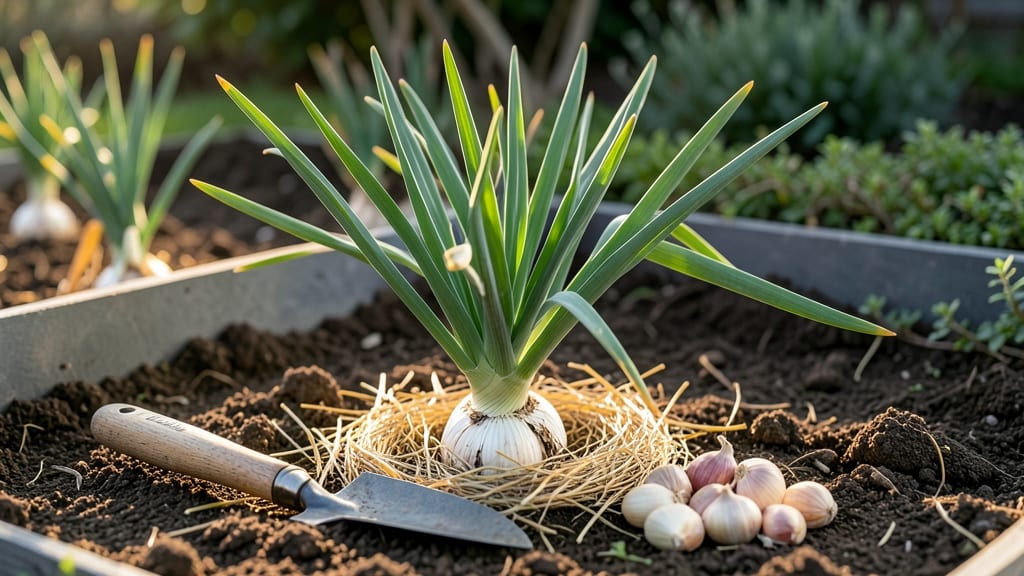
Planting garlic in Zone 6 during the wrong season could mean the difference between a bumper crop of 🧄 and a disappointing harvest. The key to success lies in timing—specifically, getting those cloves in the ground during fall, when temperatures are just right for root development before winter sets in.
If you've ever wondered why some gardeners swear by fall planting while others try spring, here's the secret: Zone 6's short growing season demands that garlic establish strong roots before the ground freezes.
This means planting between October and November, when soil temps hover around 40-50°F—the perfect range for bulb formation.
But timing isn't the only factor. Soil prep, clove spacing, and even variety choice play crucial roles in maximizing your yield. Whether you're a seasoned gardener or just starting with garlic, these Zone 6-specific tips will help you grow bigger, more flavorful bulbs year after year.
Let's dive into the exact steps to plant garlic at the optimal time, so you can enjoy a harvest of plump, robust cloves come late summer. Your future meals—and your taste buds—will thank you!
Best fall planting window for garlic in Zone 6
If you're growing garlic in Zone 6, timing your fall planting correctly is the secret to large, flavorful bulbs. The ideal window is 4-6 weeks before the ground freezes, which typically falls between mid-October and early November.
This timing gives your garlic enough time to establish strong roots before winter dormancy sets in.
Zone 6's average first killing frost usually hits around mid-October, but soil temperatures need to drop to 40-50°F for optimal bulb development. Planting too early means your garlic may sprout and get damaged by frost, while planting too late can result in weak, small bulbs.
For the best results, aim to plant garlic when soil temperatures are below 70°F but still workable. In colder microclimates within Zone 6, you might need to plant as early as late September, while warmer areas can wait until early November.
Always check your local frost dates to adjust accordingly.
Here’s a quick reference for your planting timeline in Zone 6:
Some gardeners swear by planting garlic under a waxing moon for better bulb formation, while others focus solely on soil temperatures. If you're unsure about your local frost dates, use a soil thermometer to confirm when temperatures drop below 50°F.
This ensures your garlic gets the 60-80 days of cold it needs to develop properly.
In Zone 6, late fall planting (after early November) can still work if your winters are mild, but bulbs may be smaller. If you miss the fall window, you can try spring planting, though bulbs will be 30-50% smaller compared to fall-planted garlic.
Spring garlic is best for green shoots or small bulbs, not storage varieties.
Pro tip: If you live in a Zone 6a area with earlier frosts, plant garlic by late September. For Zone 6b, early November is still safe. Always choose hardneck varieties for Zone 6—they handle cold better and produce larger bulbs.
Once planted, mulch with 4-6 inches of straw to insulate the soil and protect cloves from freezing. This also prevents soil heaving during freeze-thaw cycles, which can damage emerging roots. Your garlic will thank you with bold, flavorful bulbs come harvest time!
Best fall planting window for garlic in Zone 6
In Zone 6, the ideal planting window for garlic is between mid-October and early November. This timing ensures garlic cloves establish roots before the ground freezes, which typically happens by mid-November in most of Zone 6.
The key is to plant when soil temperatures drop to 40-50°F—this chilling period is essential for bulb development.
Why fall? Garlic needs 60-80 days of cold temperatures (below 40°F) to form proper bulbs. Planting too early (like September) gives cloves too much time to sprout before winter, while planting too late (December) risks poor root establishment.
Aim for 4-6 weeks before the first hard frost for the best results.
| Planting Time | Soil Temp | Moon Phase | Bulb Development |
|---|---|---|---|
| Mid-October | 50-60°F | Waning Gibbous | Excellent |
| Early November | 40-50°F | Full Moon | Good |
| Late November | Below 40°F | Waning Crescent | Poor |
Bulb development based on 60+ days of cold exposure
For Zone 6a (colder microclimates), push planting to early October to avoid early frosts. In Zone 6b (warmer microclimates), you can extend planting until mid-November. Check your local frost dates—many USDA Zone 6 areas experience their first frost around October 15-30.
Pro tip: Plant during a waning moon (when the moon is shrinking) for stronger root growth. This old gardener’s trick aligns with the moon’s gravitational pull, encouraging deeper root development before winter dormancy. Just remember—timing matters more than moon phases!
If you miss the fall window, you can try spring planting, but bulbs will be smaller and less flavorful. Spring-planted garlic needs to be harvested the same year, while fall-planted garlic stores better and often yields larger bulbs the following summer.
Once planted, mulch with 4-6 inches of straw or leaves to insulate cloves through winter. This protects them from extreme cold and prevents heaving (when soil freezes and expands, pushing cloves out of the ground). Remove mulch in early spring once active growth resumes.
Garlic planted in Zone 6 will emerge in late spring (March-April) and needs 6+ hours of sunlight daily for optimal bulb formation. Harvest in late July or August when lower leaves turn brown but upper leaves stay green.